 Karen Lopez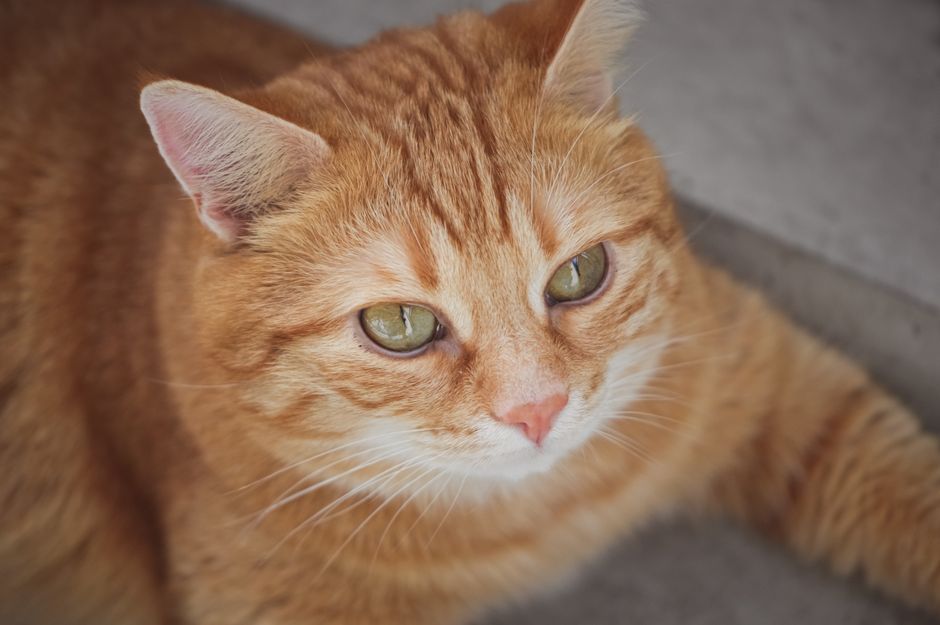
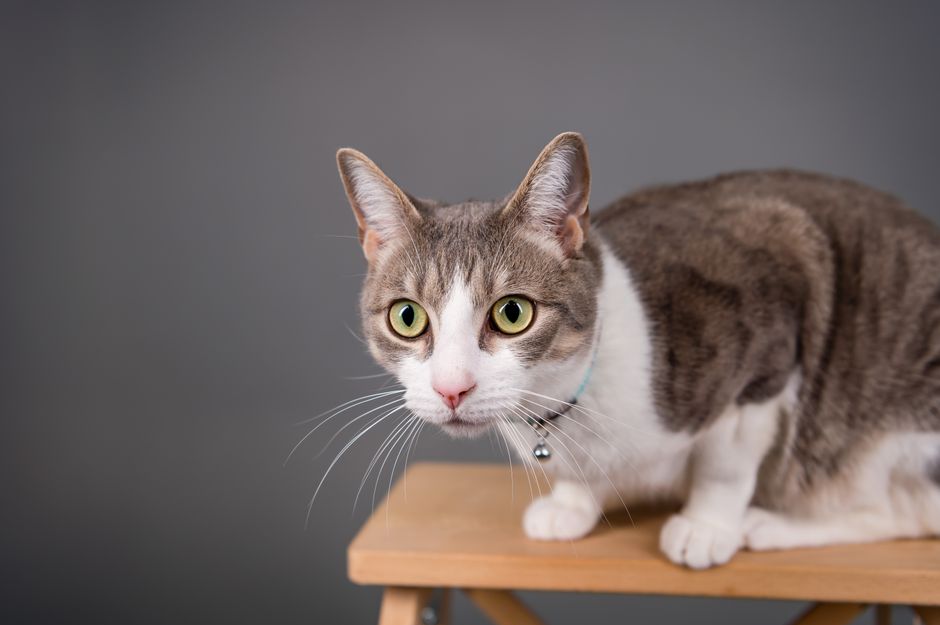
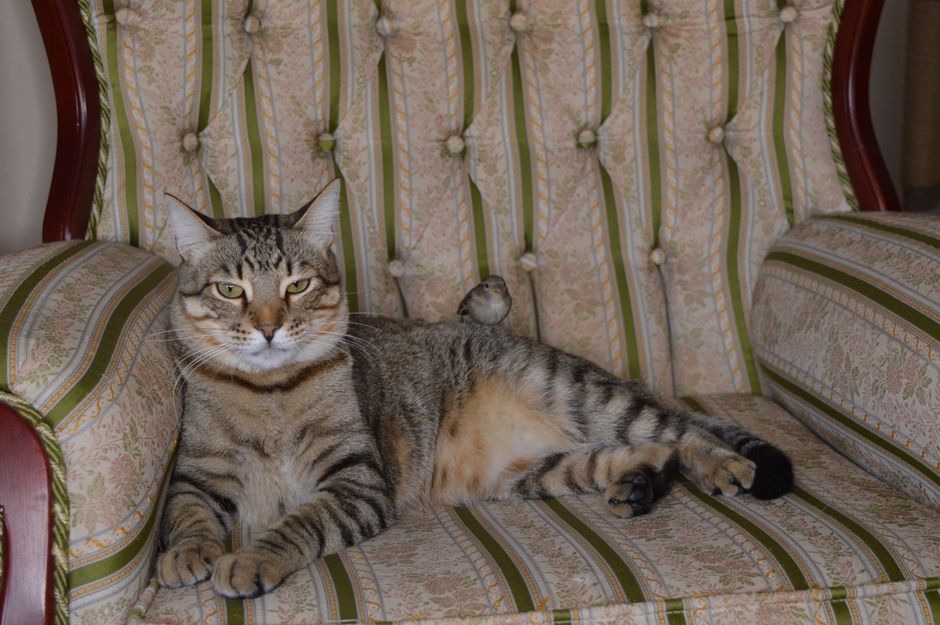
If you’ve got a chunky tabby who treats every meal like it’s his last and has been slowly expanding on the couch for the past three years, you already know how hard feline weight loss actually is. You’ve probably tried the measured portions, the puzzle feeders, maybe even the prescription diet your vet recommended. And your cat has probably just… gotten rounder anyway. I’ve seen it hundreds of times in clinic. Obesity is genuinely one of the most frustrating conditions to manage in cats, partly because the treatment options are so thin. Diet and exercise counseling, basically. That’s about it.
That’s why what happened at the ACVIM Forum in Seattle earlier this month is worth paying attention to.
What Just Happened at ACVIM 2026
The American College of Veterinary Internal Medicine Forum, held June 11 through 13 in Seattle, is one of the biggest gatherings of veterinary specialists in the country. This year, researchers presented data on AKS-562c, an investigational weekly GLP-1 therapy developed by Akston Biosciences. The results were encouraging: over a 12-week study, the drug reduced food intake and limited weight gain in cats, with no treatment-related toxicity reported. That last part matters. One of the real unknowns with GLP-1 therapies in cats is safety, because cats metabolize drugs differently than humans or even dogs, and we’ve been burned before by medications that looked promising until they weren’t.
This comes on the heels of Okava Pharmaceuticals launching the MEOW-1 trial, the first-ever GLP-1 weight-loss clinical trial in household pets. Their approach is different: a subdermal implant called OKV-119 that releases a GLP-1 drug continuously for up to six months. Up to 50 cats were enrolled. Results from MEOW-1 are expected this summer, which means the next few months could bring a significant wave of news about this space. If you’re a cat owner with an obese pet, you’re going to want to understand what you’re actually reading when those headlines hit.
Why Cats Are Getting This Treatment Before Dogs
Helpful resource: Catit Flower Fountain, Cat Water Fountain is a top-rated option for this. (As an Amazon Associate this site earns from qualifying purchases.)
It might seem counterintuitive that cats are ahead of dogs in GLP-1 research, given that there are far more dog owners in the U.S. But Okava’s reasoning makes clinical sense. Indoor cats have far fewer opportunities to exercise than dogs do. Dogs get walks. They get off-leash time. They get dragged outside at least twice a day whether they want to go or not. Cats, especially indoor-only cats, often just… sit. Their caloric output is genuinely limited by their lifestyle in a way that’s harder to change through behavioral intervention alone.
The numbers back up the urgency. The Association for Pet Obesity Prevention estimated that 61% of cats in the U.S. were classified as overweight or obese as of 2022, with rates continuing to track human obesity trends upward. That’s not a niche problem. That’s most cats. And as dvm360 reported in June 2026, investigators on the AKS-562c study specifically noted that there are currently very limited pharmacologic options for treating feline obesity, making this category of drugs a potentially significant breakthrough for a problem that affects the majority of pet cats.
What GLP-1 Drugs Actually Do (And Why They’re Not Magic)
GLP-1 stands for glucagon-like peptide-1. In both humans and animals, GLP-1 is a hormone that helps regulate appetite and blood sugar. The drugs that mimic it, semaglutide being the most famous human version, work by making the body feel fuller faster, slowing gastric emptying, and reducing overall food-seeking behavior. In humans, they’ve produced meaningful, sustained weight loss in clinical trials. The question for cats is whether the same mechanism works safely in a species with very different metabolic quirks.
What most people don’t realize is that cats are obligate carnivores with metabolic pathways that don’t always translate cleanly from mammal to mammal. A drug that’s well-tolerated in humans or dogs isn’t automatically safe for a cat. That’s why the 12-week toxicity data from the AKS-562c study is actually meaningful news, not just a footnote. It tells us researchers are watching for exactly the problems that could disqualify a drug before it ever reaches your vet’s cabinet.
It’s also worth being realistic about what “reduced food intake and limited weight gain” means versus actual weight loss. We don’t yet have long-term data on how much weight cats would lose, how quickly, or whether the effect holds after the drug is discontinued. The MEOW-1 results, expected this summer, should give us a clearer picture.
What This Means for the Timeline (And Your Wallet)
| Drug/Trial | Developer | Format | Study Duration | Key Result | Timeline to Market |
|---|---|---|---|---|---|
| AKS-562c | Akston Biosciences | Weekly injection | 12 weeks | Reduced food intake, limited weight gain, no treatment-related toxicity | Under development |
| OKV-119 (MEOW-1 trial) | Okava Pharmaceuticals | Subdermal implant | Up to 6 months | Results expected summer 2026 | FDA filing planned 2027-2028; market availability 2028-2029 |
| OKV-119 (Dogs) | Okava Pharmaceuticals | Subdermal implant | In development | In development | After cat product approval |
Don’t call your vet tomorrow asking for a prescription. These drugs are not available yet. Okava CEO Michael Klotsman has stated the company plans to file for FDA approval for OKV-119 between 2027 and 2028. That means even in a best-case scenario, you’re looking at 2028 or 2029 before a product like this could realistically be on the market. FDA veterinary drug approval takes time, and it should. A similar GLP-1 implant for dogs is also in development by Okava, but cats were prioritized first for the reasons mentioned above.
The projected cost Klotsman cited is roughly $100 per month out of pocket, which is, honestly, more accessible than I expected. For context, prescription weight-loss diets and repeat vet visits for obesity management can add up to comparable numbers over time, especially when you factor in the secondary health costs of obesity: diabetes, joint disease, hepatic lipidosis risk. If a monthly implant could actually move the needle on those outcomes, the economics could be reasonable for a lot of households.
That said, $100 a month is still a real expense, and we don’t yet know how pet insurance companies will classify or cover GLP-1 therapies for cats. Worth a call to your insurer once these drugs are closer to approval.
What to Do Right Now If Your Cat Is Overweight
Here’s where I’ll be direct with you: the fact that better options may be coming in a few years doesn’t mean you should wait. Obesity causes real harm to cats in real time. Increased anesthetic risk, joint inflammation, insulin resistance, fatty liver disease. These aren’t abstract future concerns.
For right now, your best tools are still portion control with an accurate kitchen scale (not the cup that came in the bag), transitioning to a high-protein, lower-carbohydrate diet with your vet’s input, and minimizing free-feeding if you currently do it. These are genuinely hard to implement in multi-cat households, and I’m not pretending otherwise. But they remain the only evidence-based interventions that are actually available.
When you talk to your vet about your cat’s weight, ask specifically about a body condition score. It’s a 9-point scale, and most overweight cats present at a 7 or 8. Knowing your cat’s number gives you a concrete baseline to track progress against, and it gives your vet a shared reference point for how serious the situation actually is.
The GLP-1 research is genuinely exciting, and if MEOW-1 results come back strong this summer, 2026 could mark the beginning of a real shift in how veterinary medicine approaches feline obesity. But promising early data and an available treatment are two different things. Keep your cat on a diet for now, keep watching the research, and if your vet brings up GLP-1s in the next year or two, you’ll already know enough to ask the right questions.
Sources
- Investigational GLP-1 drug shows promise for treating feline obesity (dvm360, June 17, 2026)
- Weight loss drugs for cats? Company launches clinical trial of GLP-1 implants (ABC News, December 3, 2025)
- Can GLP-1s Help Fat Cats Lose Weight? (Smithsonian Magazine, December 11, 2025)
- Weight-loss meds for pets: Have we found the cure for obesity? (Veterinary Practice News, January 14, 2025)
- Could pets be next for weight loss drugs? (CBS News, December 7, 2025)
This article is for general informational purposes only and does not constitute veterinary advice. Pet health symptoms can have many causes and require professional evaluation. Always consult a licensed veterinarian for diagnosis and treatment specific to your pet.
Recommended Resources
Disclosure: As an Amazon Associate, we earn a small commission from qualifying purchases at no extra cost to you. We only recommend products that genuinely support the topics covered in this article.
- EVERLIT 95-Piece Vet-Approved Pet First Aid Kit (~$32), Vet-approved 95-piece kit for dogs and cats, covers cuts, burns, sprains, and emergencies until you can reach a vet.
- Nutramax Cosequin DS Joint Supplement for Dogs (132ct) (~$36), The #1 veterinarian-recommended joint supplement brand, clinically studied for reducing joint pain in dogs.