 Michelle Chen
Ninety percent. That’s the mortality rate for untreated canine parvovirus in puppies, according to data published by the American Veterinary Medical Association. Let that sink in for a moment. Nine out of ten puppies who get parvo and receive no medical care will die. And yet, with aggressive veterinary treatment started early, survival rates climb to somewhere between 68 and 92 percent depending on the study and the hospital. That gap, between “almost certainly fatal” and “good chance of survival,” is almost entirely determined by how fast you act.
If you’re reading this because you’re worried your dog might have parvo right now, I want you to keep reading, because you need to understand what you’re looking at and exactly what to do next. And if you’re reading this to prepare, good. The preparation matters more than most people realize.
What Parvo Actually Does Inside a Dog’s Body
Here’s what I tell people when they want to understand why parvo is so devastating: it’s not just a stomach bug. Canine parvovirus (CPV-2 and its variants) targets rapidly dividing cells. That means it goes after the lining of the intestinal tract with ruthless efficiency, destroying the cells that absorb nutrients and maintain the gut barrier. Once that barrier is compromised, bacteria from the gut leak into the bloodstream. Simultaneously, the virus attacks bone marrow, crashing white blood cell production right when the body needs to fight back.
The result is a dog who can’t absorb fluids, can’t fight infection, and is losing protein and blood from the gut faster than the body can compensate. Sepsis, dehydration, and shock can set in within 24 to 48 hours of symptoms appearing. I’ve watched healthy-looking 10-week-old puppies deteriorate faster than anyone in the room expected. It is genuinely terrifying, and I don’t say that to frighten you into panic. I say it so you understand why “wait and see” is not a safe option here.
Signs of Parvo: What to Watch For
Helpful resource: Midwest Homes Folding Metal Dog Crate is a top-rated option for this. (As an Amazon Associate this site earns from qualifying purchases.)
The incubation period after exposure is typically 3 to 7 days, and then symptoms appear fast. Here’s what the progression usually looks like:
Early signs (first 24 hours):
- Sudden lethargy, your normally active puppy just stops wanting to move
- Loss of appetite, sometimes complete refusal to eat
- Low-grade fever (rectal temp above 102.5°F is worth noting; above 104°F is alarming)
As it progresses:
- Vomiting, often repeated and forceful
- Diarrhea that is frequently bloody and has a distinctive, foul odor that I genuinely cannot describe any other way except “wrong.” If you’ve ever smelled it in a clinic, you don’t forget it.
- Rapid dehydration, check by lifting the skin at the scruff; if it doesn’t snap back within a second or two, dehydration is already significant
- Pale or grayish gums (this is a late and serious sign)
- Collapse or extreme weakness
Any combination of vomiting, bloody diarrhea, and lethargy in an unvaccinated or incompletely vaccinated puppy under 6 months old is parvo until proven otherwise. Don’t wait for all the symptoms to be present. Call your vet or an emergency clinic immediately.
One thing that trips people up: some dogs, especially in the early hours, look “not that bad.” I’ve had owners tell me they almost talked themselves out of coming in. Parvo can look manageable at 8 a.m. and be life-threatening by 4 p.m. Trust the sick feeling in your gut, because your dog’s gut is already failing.
Treatment: What Actually Happens at the Vet
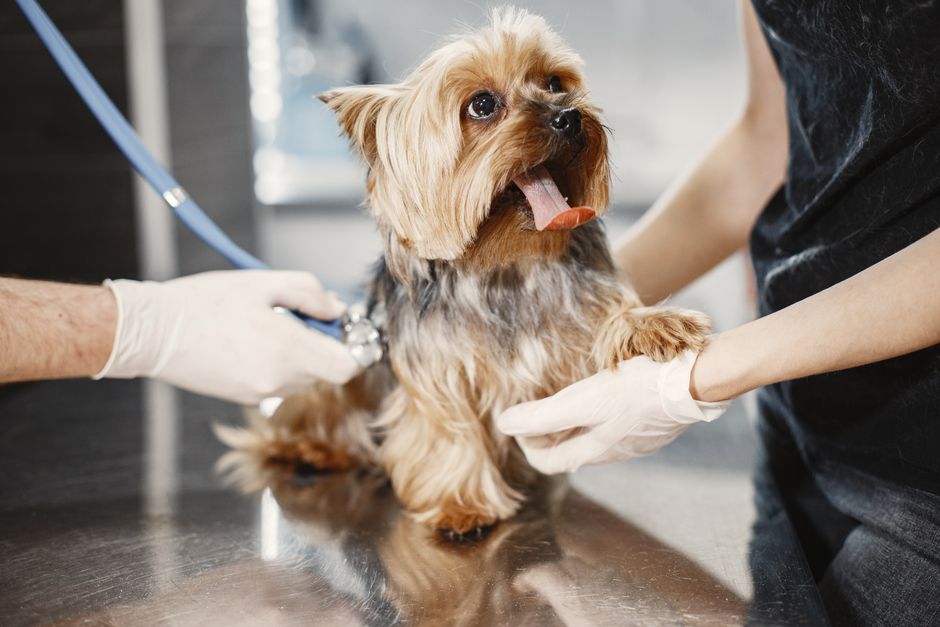
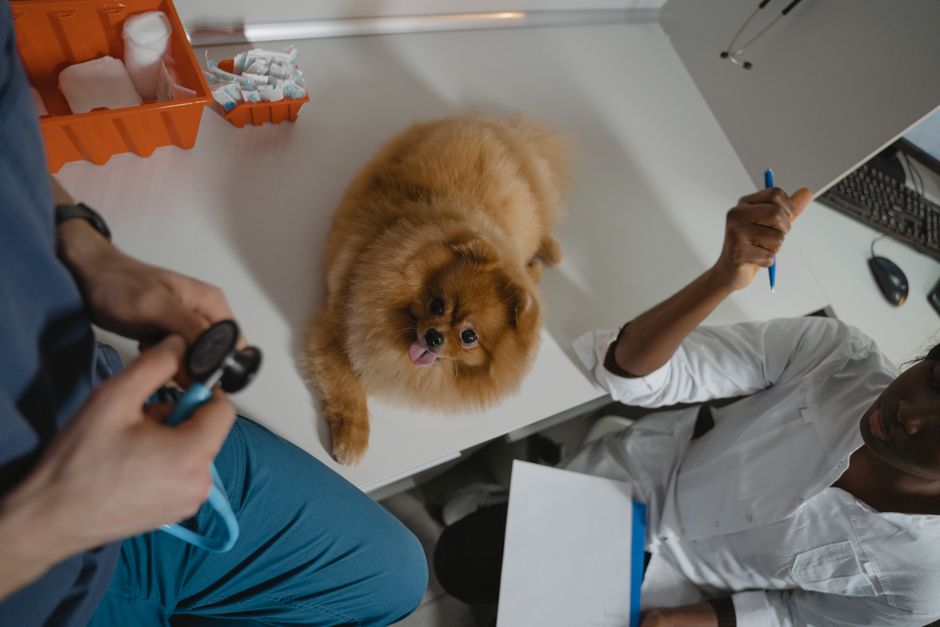
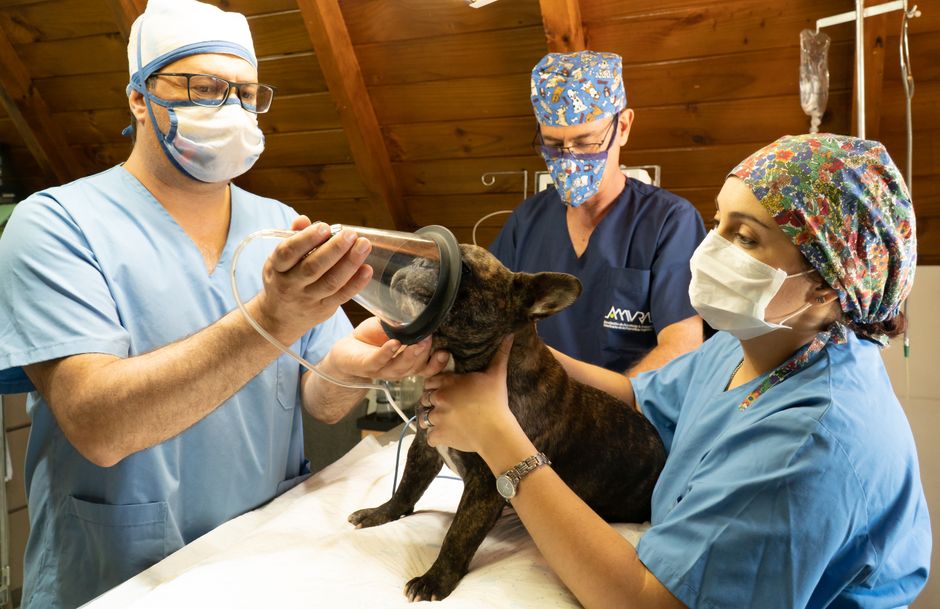
There is no antiviral drug that kills parvovirus directly. Treatment is supportive care, and the goal is keeping the dog alive long enough for their own immune system to clear the virus, typically 5 to 10 days.
Standard hospitalization includes:
- IV fluid therapy: replacing what’s being lost through vomiting and diarrhea, maintaining blood pressure, and supporting organ function. This is the backbone of treatment.
- Anti-nausea medications: maropitant (Cerenia) is now standard and works well; ondansetron is sometimes added
- Antibiotics: not to fight the virus, but to prevent sepsis from the leaking gut bacteria. Usually a broad-spectrum combination.
- Nutritional support: early feeding through a feeding tube if needed, because the gut heals faster when it’s being used
- Monitoring: bloodwork at least once daily, sometimes more, watching white blood cell counts and protein levels
- Pain management: parvo is painful; good hospitals address this, and if yours doesn’t mention it, ask
A newer treatment called feline interferon omega (Virbagen Omega) has shown promise in some European studies, and some U.S. clinics are exploring it, though it’s not yet standard of care here. The AAHA hospital accreditation standards outline isolation protocols for infectious disease management, and any hospital treating parvo should have a dedicated isolation ward since the virus lives on surfaces for months.
Cost, Timeline, and Survival Reality
I’m not going to sugarcoat the numbers, because I think people deserve honest information when they’re making hard decisions.
| Scenario | Estimated Cost (2026) | Average Hospital Stay | Survival Rate |
|---|---|---|---|
| Mild case, young adult dog, treated early | $1,500 to $3,000 | 3 to 5 days | 85 to 92% |
| Moderate case, puppy, started within 24 hrs of symptoms | $3,000 to $6,000 | 5 to 7 days | 70 to 85% |
| Severe case, puppy, delayed treatment (48+ hrs) | $5,000 to $9,000+ | 7 to 10+ days | 50 to 68% |
| Home treatment only (fluids, anti-nausea) | $200 to $600 | N/A | 10 to 30% |
| No treatment | $0 | N/A | ~10% |
These are estimated ranges based on my experience and regional variation; your specific quote will depend on your clinic, your city, and how sick your dog is when they arrive. Costs in metro areas like New York or San Francisco routinely run 30 to 40 percent higher than in rural Midwest clinics.
There are options if cost is a barrier. CareCredit and Scratchpay are financing options many clinics accept. Some veterinary schools with teaching hospitals (like UC Davis or Cornell) offer treatment at reduced rates. Organizations like The Pet Fund and RedRover Relief offer emergency grants for qualifying situations. Ask your vet’s front desk; most of us know where to point people.
Worked examples from cases I’ve been part of:
12-week-old Lab mix, brought in at first sign of vomiting, no bloody stool yet → IV fluids, maropitant, antibiotics, 4-day hospitalization, $2,847 total → Discharged, full recovery, currently a healthy 4-year-old.
9-week-old pit bull puppy, owner waited 3 days, presented with bloody diarrhea, pale gums, temp of 105.2°F → ICU-level care, plasma transfusion, feeding tube → $7,200, 9-day stay, survived but required an additional week of home care.
8-month-old unvaccinated rescue, presented collapsed → Despite immediate aggressive treatment, died on day 3. White cell count never recovered. This one stays with me.
Prevention Is Where This Story Should End
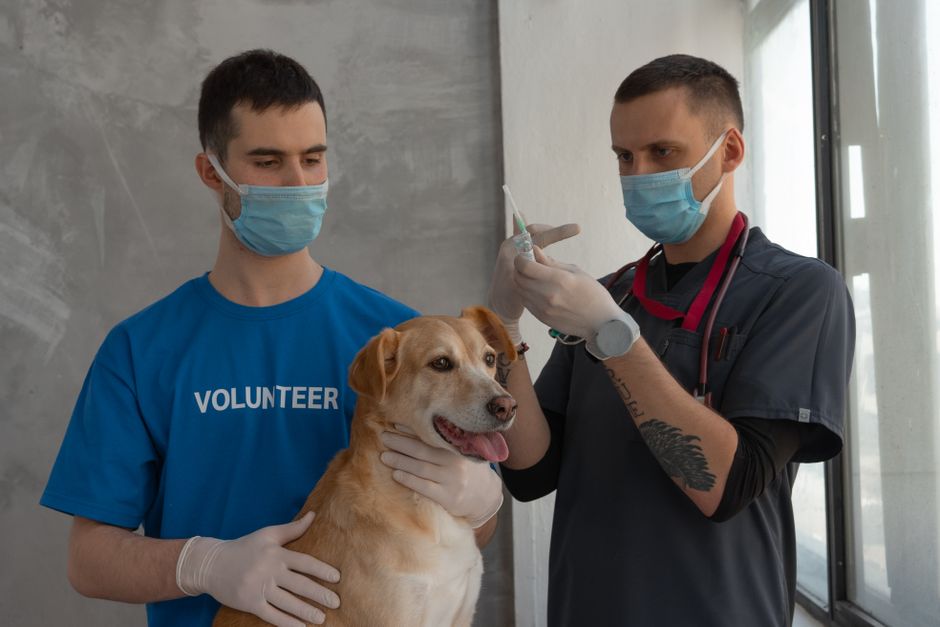
The parvovirus vaccine is one of the most effective vaccines in veterinary medicine. A 2023 study in the Journal of Veterinary Internal Medicine found that properly vaccinated dogs have greater than 98% protection against clinical disease. The core puppy series is typically given at 6 to 8 weeks, 10 to 12 weeks, and 14 to 16 weeks, with a booster at one year and then every one to three years after that (your vet will advise based on lifestyle risk). Until that series is complete, puppies are vulnerable.
Current guidance as of July 2026 from the AVMA still recommends limiting unvaccinated puppies’ exposure to public areas, dog parks, and unknown dogs. Parvo survives in soil for up to a year, sometimes longer in cool, shaded environments. Bleach at 1:30 dilution is the most accessible disinfectant that actually kills it.
If you’re taking home a rescue puppy, ask for vaccination records. If records don’t exist, assume the series hasn’t been completed and start over.
Sources
- American Veterinary Medical Association (AVMA): Canine parvovirus disease overview, including transmission, prevention, and treatment protocols
- Journal of Veterinary Internal Medicine (2023): Vaccine efficacy data for CPV-2 variants in domestic dogs
- AAHA Canine Vaccination Guidelines: Current recommendations for core vaccination schedules and booster intervals
- Goddard, J. & Leisewitz, A.L. (2010): “Canine Parvovirus,” Veterinary Clinics of North America: Small Animal Practice, foundational study on pathophysiology and clinical outcomes
- UC Davis School of Veterinary Medicine: Parvo treatment protocols and isolation standards used in teaching hospital settings
This article is for general informational purposes only and does not constitute veterinary advice. Pet health symptoms can have many causes and require professional evaluation. Always consult a licensed veterinarian for diagnosis and treatment specific to your pet.
Recommended Resources
Disclosure: As an Amazon Associate, we earn a small commission from qualifying purchases at no extra cost to you. We only recommend products that genuinely support the topics covered in this article.
- EVERLIT 95-Piece Vet-Approved Pet First Aid Kit (~$32), Vet-approved 95-piece kit for dogs and cats, covers cuts, burns, sprains, and emergencies until you can reach a vet.
- Nutramax Cosequin DS Joint Supplement for Dogs (132ct) (~$36), The #1 veterinarian-recommended joint supplement brand, clinically studied for reducing joint pain in dogs.