 Tom Harris
If you’ve bought Pedigree canned food in the last few months, stop and read this before you open another can. On July 2, 2026, Mars Petcare US issued a voluntary recall covering two specific lots of Pedigree Can High Protein Chopped Chicken & Duck Flavor 13.2 oz wet dog food. The lot codes are 613C3KKCFC and 613C1KKCFC. If those codes are printed on the bottom or side of cans in your pantry, those cans should not go anywhere near your dog’s bowl.
What surprised me about this one, and what makes it genuinely different from the typical “we found elevated bacteria levels” recall, is the story behind how these products got to your store shelf. According to the FDA’s recall announcement from July 2, 2026, these cans had already been condemned. Mars had flagged them for metal and plastic contamination, marked them for destruction, and sent them to a third-party vendor specifically to be disposed of. Somewhere in that chain, someone fraudulently diverted the product and sold it back into the U.S. marketplace anyway. That’s not a manufacturing slip. That’s deliberate supply-chain fraud. Mars says it’s working with authorities to figure out how this happened, but as of the recall announcement, no injuries or illnesses had been reported yet.
The “yet” matters. These cans contain sharp metal and plastic fragments. The real risks here are choking, lacerations to the gastrointestinal tract, and intestinal blockages. Those aren’t theoretical. A piece of metal in soft tissue can cause bleeding, infection, or perforation that requires emergency surgery.
- Two specific lot codes are affected: 613C3KKCFC and 613C1KKCFC, 13.2 oz cans only.
- Contamination includes sharp metal and plastic fragments; risks include GI lacerations and blockages.
- Products were condemned and meant for destruction before being fraudulently resold nationwide.
- No injuries reported as of July 2, 2026, but do not feed or discard , return for refund.
- No other Pedigree or Mars Petcare US products are part of this recall.
The Contamination Risk Is More Serious Than a Typical Recall
I’ll be honest: when I see “physical contamination” on a recall notice, my first instinct is to gauge severity. Not all recalls are equal. A vitamin D overage in kibble is concerning but rarely causes acute injury. Sharp metal and plastic in wet food is a different category entirely. Your dog doesn’t chew canned food the way they’d chew a bone. They often gulp it. A fragment that goes down whole can travel all the way to the small intestine before it causes a problem, and by then you’re looking at internal bleeding or a perforation that’s hard to catch without imaging.
The signs to watch for if your dog has already eaten from these lots include: vomiting (especially repeated or with blood), obvious pain or hunching when touched around the abdomen, lethargy that’s out of character, loss of appetite, black or tarry stools, and straining or inability to defecate. Any of these warrants a call to your vet today, not Monday. Black tarry stools specifically suggest upper GI bleeding and that’s an emergency room visit, not a wait-and-see situation. According to the OKC Fox report from July 6, 2026, the recall has been widely covered nationally, but plenty of households may have bought these cans weeks ago and have them sitting in the back of a cabinet right now.
What To Do With the Recalled Cans
Helpful resource: Nylabone Power Chew Durable Dog Chew Toys is a top-rated option for this. (As an Amazon Associate this site earns from qualifying purchases.)
Do not throw them in the trash. I know that sounds counterintuitive when you want dangerous food out of your house fast, but if you toss these, you lose your ability to get a refund and Mars loses evidence for its fraud investigation. The FDA’s recall guidance is to return the product to the place of purchase. Hold onto any receipt if you have one, though most retailers will process the return without it given the public recall notice.
Here’s a quick reference for what to check and what to do:
| Step | Action |
|---|---|
| Check lot code | Look on can bottom or side label for 613C3KKCFC or 613C1KKCFC |
| Product details | Pedigree Can High Protein Chopped Chicken & Duck Flavor, 13.2 oz only |
| If you have affected cans | Do not feed; do not discard; return to retailer for refund |
| If your dog already ate it | Monitor closely; call your vet if any GI symptoms appear |
| Contact for questions | Mars Petcare Consumer Care, referenced in the FDA recall notice |
If your dog ate from one of these cans and is currently showing no symptoms at all, I’d still recommend calling your vet to let them know. They may want a baseline abdominal exam or simply want the information documented in your dog’s record. It costs you a phone call.
Why 2026 Has Been a Rough Year for Pet Food Safety
This recall didn’t happen in isolation. The IndexBox analysis from July 2026 noted that this Pedigree action is part of a broader pattern of pet food safety issues this year. In May 2026 alone, there were two significant recalls: Albright’s Raw Pet Food was recalled May 7 for Salmonella contamination, and then on May 22, 2026, the FDA announced that Raaw Energy had expanded a recall covering more than 60 varieties of dog food due to Listeria monocytogenes risk, with production halted as of May 21. Three major recalls in under two months is a lot of noise in this space.
I don’t think this means you should panic about pet food broadly. But it does mean 2026 is a good year to get into the habit of checking the FDA’s recall page directly. Vetstreet has maintained a running 2026 dog food recall tracker that’s been updated as new actions are announced, which is a useful bookmark if you want one place to check. Retailers don’t always pull products quickly. Being your own first line of defense matters.
The Supply-Chain Fraud Angle Nobody’s Talking About Enough
This is the part that really got me. Most pet food recalls trace back to a supplier contamination, a processing error, or a formulation mistake. What happened here is that the contaminated product was caught. Mars identified it, condemned it, and arranged for destruction. The system worked, right up until it didn’t, because a third party in that destruction chain apparently chose to sell the condemned product instead. That’s a federal issue, not just a pet food issue. It raises real questions about oversight of destruction vendors and what verification Mars and other manufacturers have that condemned product is actually being destroyed.
Mars says it’s cooperating with authorities, and presumably there will be more information as any investigation progresses. But from a practical standpoint, it means that as a consumer, you can’t assume that because a product made it to a shelf, it passed all the checks. Normally that assumption is reasonable. This case is a reminder that supply chains have human points of failure.
Check your cans. Watch your dog. Call your vet if anything seems off. That’s the whole job right now.
Sources
- FDA , Voluntary Recall of Two Lots of PEDIGREE® Can High Protein Chopped Chicken & Duck Flavor Wet Dog Food (July 2, 2026)
- IndexBox , Pedigree Dog Food Recall July 2026: Metal and Plastic Hazard (July 2026)
- OKC Fox , Pedigree recalls popular dog food over metal, plastic material (July 6, 2026)
- FDA , Raaw Energy Expands Recall of Dog Food Because of Listeria Monocytogenes Health Risk (May 22, 2026)
- Vetstreet , Dog Food Recalls 2026: FDA + AVMA List and Safety Tracker (June 2026)
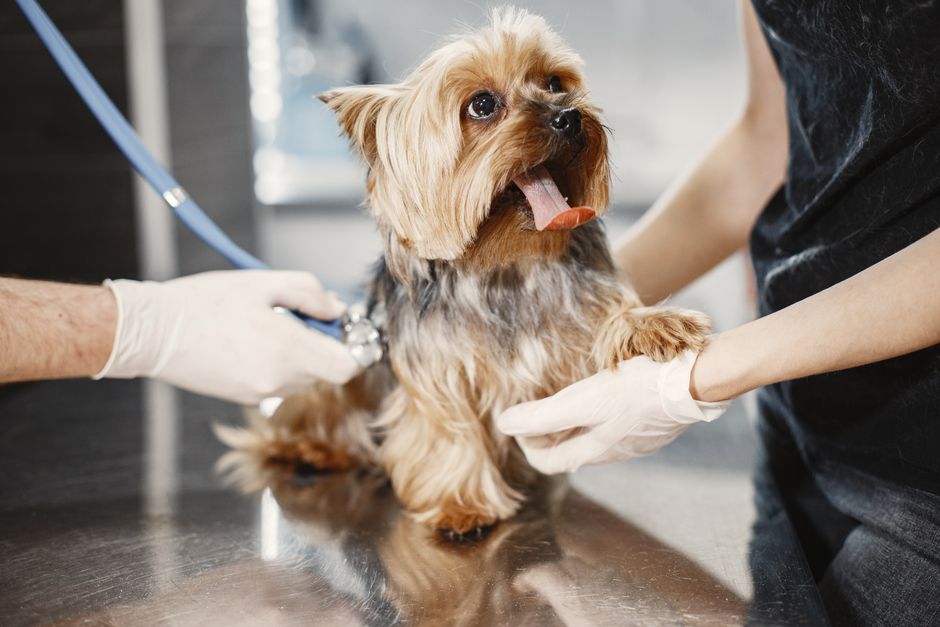
Photo: MART PRODUCTION via Pexels
This article is for general informational purposes only and does not constitute veterinary advice. Pet health symptoms can have many causes and require professional evaluation. Always consult a licensed veterinarian for diagnosis and treatment specific to your pet.
Recommended Resources
Disclosure: As an Amazon Associate, we earn a small commission from qualifying purchases at no extra cost to you. We only recommend products that genuinely support the topics covered in this article.
- EVERLIT 95-Piece Vet-Approved Pet First Aid Kit (~$32), Vet-approved 95-piece kit for dogs and cats, covers cuts, burns, sprains, and emergencies until you can reach a vet.
- Nutramax Cosequin DS Joint Supplement for Dogs (132ct) (~$36), The #1 veterinarian-recommended joint supplement brand, clinically studied for reducing joint pain in dogs.