 Tom Harris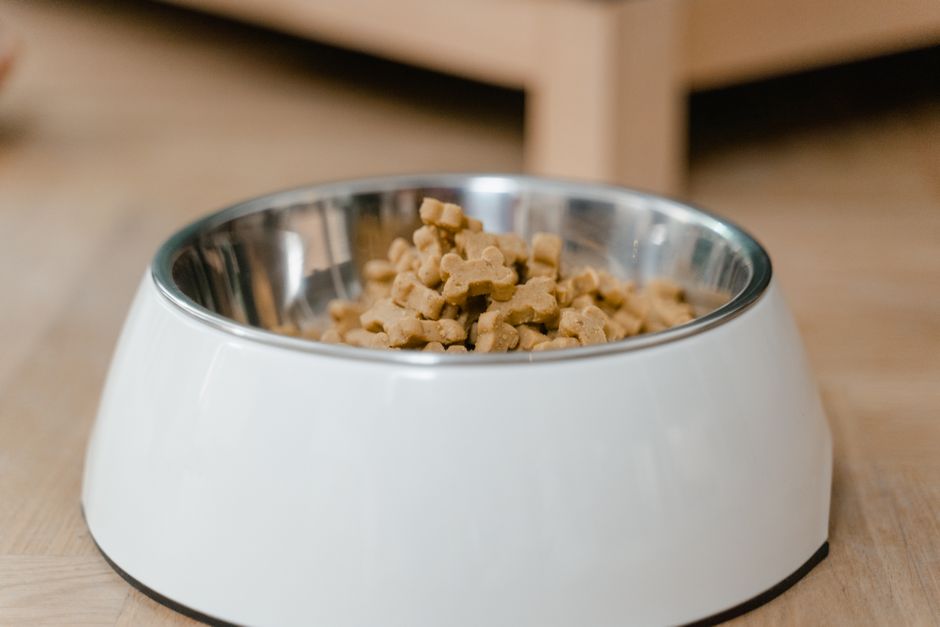
If you’re reading this right now, there’s a good chance you’re standing in your kitchen staring at a can of Pedigree dog food, or you’ve already watched your dog eat some, and you’re trying to figure out how worried to be. Take a breath. Here’s what’s actually happening and, more importantly, what to do next.
On July 2, 2026, Mars Petcare issued a voluntary recall of two specific lots of PEDIGREE Can High Protein Chopped Chicken & Duck Flavor (13.2 oz cans) after discovering the products may contain hard, sharp metal and plastic fragments. The FDA confirmed the recall covers lot codes 613C3KKCFC and 613C1KKCFC. What makes this situation unusual, and frankly unsettling, is that these cans weren’t a manufacturing accident. They had already failed Mars’s internal quality control. They were sent to a third-party vendor specifically to be destroyed. Instead, according to the FDA’s recall notice, they were fraudulently diverted and sold into the U.S. marketplace. That’s not a packaging error. That’s someone making a deliberate choice to put defective food on store shelves.
Because Pedigree is sold at Walmart, Target, Petco, PetSmart, and Kroger, among others, these cans could be sitting in homes in virtually any state right now.
How to Check If You Have the Recalled Cans
This is the first thing to do. Flip the can over or look at the bottom rim. You’re looking for those two lot codes: 613C3KKCFC or 613C1KKCFC. The product is the 13.2 oz size, and the full name is Pedigree Can High Protein Chopped Chicken & Duck Flavor.
If you see either of those codes, stop feeding it immediately. Don’t try to inspect the food yourself for fragments. Metal and plastic shards can be tiny. The fact that you can’t see anything doesn’t mean the can is clean.
Call Pedigree’s consumer line at 1-800-525-5273 to report the can and request a replacement. Keep the can if you can, especially if your dog has already eaten from it, since having the lot code on hand is useful when you talk to a vet.
What the Risks Actually Mean for Your Dog
Helpful resource: Catit Flower Fountain, Cat Water Fountain is a top-rated option for this. (As an Amazon Associate this site earns from qualifying purchases.)
The FDA’s warning specifically names three concerns: choking, gastrointestinal lacerations, and intestinal blockages. Here’s what that looks like in plain terms.
Sharp fragments don’t always cause immediate, dramatic symptoms. A small shard can scrape the esophagus or stomach lining and cause bleeding that shows up slowly, as dark or tarry stool, or not at all at first. A piece that makes it into the small intestine can lodge there and create a partial or complete blockage over hours or days.
Mars reported as of July 2 that they had received no reports of pet illness or injury, which is genuinely reassuring. But “no reports yet” reflects the time between when these cans entered the marketplace and when the recall was announced. Dogs who ate from these lots may still be showing symptoms now, or may develop them.
Watch for any of these signs in the days following exposure:
| Symptom | Why It Matters |
|---|---|
| Vomiting (especially repeated) | May indicate GI irritation, blockage, or internal injury |
| Loss of appetite | Dogs in pain often stop eating; a red flag after any potential ingestion |
| Excessive drooling | Can signal esophageal irritation or nausea |
| Trouble swallowing | Suggests possible throat or esophageal damage from a fragment |
| Unusual lethargy | A general sign of pain, blood loss, or systemic distress |
| Blood in stool or dark/tarry stool | Points to internal bleeding somewhere in the GI tract |
| Hunched posture or belly tenderness | Possible sign of abdominal pain or developing blockage |
When to Call the Vet, and How Urgent Is It Really
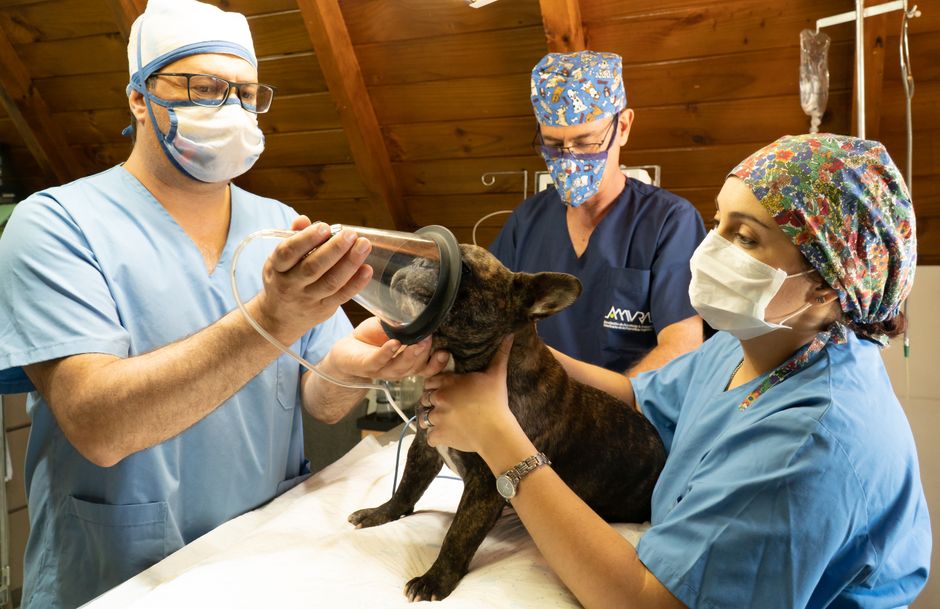
Here’s what I tell people: if your dog ate from one of these recalled lots and is showing any of the symptoms above, don’t wait until Monday. Call your vet or an emergency animal hospital today.
If your dog ate from the recalled lot but seems completely normal, you’re in a different situation. I’d still call your regular vet, explain the recall, give them the lot code, and ask whether they want to see your dog or whether watchful waiting is appropriate given your dog’s size, age, and overall health. A 70-pound Labrador who ate a small amount may be lower risk than a 9-pound Chihuahua who ate a full can. Your vet knows your dog and can make that call.
What to tell your vet: the lot code (613C3KKCFC or 613C1KKCFC), approximately how much was eaten, when they ate it, and your dog’s current weight. That information lets them triage appropriately instead of starting from scratch.
Don’t induce vomiting at home unless a vet explicitly tells you to. With potential sharp fragments involved, bringing them back up through the esophagus carries its own risk.
Why This Recall Is Different From a Typical Pet Food Issue
Most pet food recalls involve things like bacterial contamination (Salmonella, Listeria) or nutrient imbalances that develop over time. This one involves the supply chain itself being compromised, which raises a question you might already be thinking about: how do I know other cans are safe?
As NewsNation reported on July 7, 2026, the recall is currently limited to those two specific lot codes. Mars’s position is that only those diverted cans are affected, not the broader Pedigree High Protein line. That’s consistent with the nature of the problem, since the fraud involved a discrete batch sent for destruction, not an ongoing manufacturing issue.
That said, if you’ve lost trust in this product line entirely, that’s a reasonable response to a reasonable situation. You can check the FDA’s recall database directly to stay current on any updates, since recall scope sometimes expands after initial announcements.
The Medical Daily coverage from July 9, 2026 noted that this case highlights a real gap in how destruction of defective product gets verified in some supply chains. Mars is working with the FDA on the investigation. Whether that leads to broader accountability is something worth watching.
Getting Your Money Back or a Replacement
Pedigree’s recall instructions are straightforward. Don’t feed the product. Contact them at 1-800-525-5273. They’re offering replacements for returned cans.
If you bought the cans at a major retailer, most of them (Walmart, Target, Petco, PetSmart, Kroger) will accept returns of recalled product without a receipt. Call ahead to confirm the store’s specific process, since some have shifted to recalls desks or manager-only handling for these situations.
Keep your receipt or bank statement if you have it. If your dog ends up needing veterinary care, documentation of the purchase may matter for any reimbursement conversations down the road.
This situation is genuinely frustrating, not because recalls happen (they do, and a responsible company acts fast when they do), but because the cause here was deliberate fraud rather than an honest mistake. Your dog trusted you to feed them something safe. Checking those lot codes right now is the simplest thing you can do to honor that.
Sources
- FDA – Voluntary Recall: PEDIGREE Can High Protein Chopped Chicken & Duck Flavor (July 2, 2026)
- Fox Business – Pedigree dog food recalled over metal and plastic contamination risk (July 2, 2026)
- NewsNation – Pedigree recalls dog food over sharp metal and plastic pieces (July 7, 2026)
- Medical Daily – Pedigree Dog Food Recall Issued After Metal and Plastic Fragments Found (July 9, 2026)
This article is for general informational purposes only and does not constitute veterinary advice. Pet health symptoms can have many causes and require professional evaluation. Always consult a licensed veterinarian for diagnosis and treatment specific to your pet.
Recommended Resources
Disclosure: As an Amazon Associate, we earn a small commission from qualifying purchases at no extra cost to you. We only recommend products that genuinely support the topics covered in this article.
- EVERLIT 95-Piece Vet-Approved Pet First Aid Kit (~$32), Vet-approved 95-piece kit for dogs and cats, covers cuts, burns, sprains, and emergencies until you can reach a vet.
- Nutramax Cosequin DS Joint Supplement for Dogs (132ct) (~$36), The #1 veterinarian-recommended joint supplement brand, clinically studied for reducing joint pain in dogs.