 Dr. Amanda Foster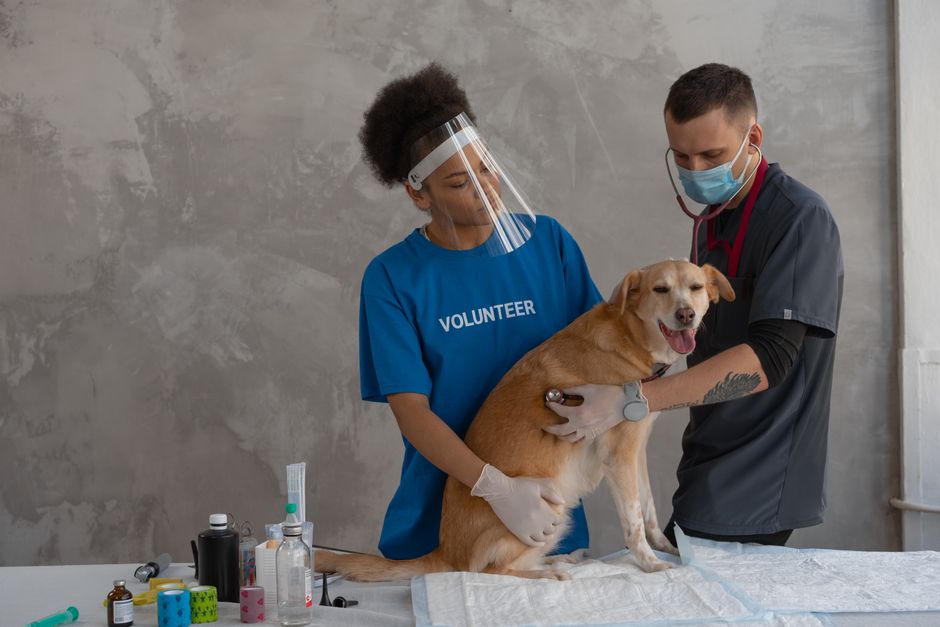
It’s 11:47 PM on a Sunday, and your dog just ate something off the kitchen counter. Or your cat is hiding under the bed, breathing with her mouth open. Or your rabbit hasn’t moved in two hours. Your heart is pounding and you’re frantically Googling “do I need the emergency vet?” This article is for that exact moment. Not tomorrow, not at a routine appointment. Right now.
True Emergencies: Go Now, Don’t Wait
Some situations remove all guesswork. If your pet is showing any of the following, you need to be driving to an emergency clinic, not reading the rest of this article.
Breathing problems are the most urgent. Open-mouth breathing in cats is almost always an emergency. Cats are obligate nasal breathers, meaning mouth breathing signals severe respiratory distress, heart failure, or fluid in the chest. A dog breathing with extreme effort, a blue or grey tinge to the gums, or what looks like “pumping” of the belly and chest together warrants immediate emergency care.
Bloat in dogs, medically known as Gastric Dilatation-Volvulus (GDV), is a killer. It’s most common in deep-chested breeds like Great Danes, Standard Poodles, German Shepherds, and Weimaraners, though any dog can develop it. Signs include a visibly distended abdomen, repeated unproductive retching (the dog is trying to vomit but nothing comes up), drooling, and extreme restlessness. GDV can kill within hours. This is a surgical emergency.
Urinary blockage, especially in male cats, is equally time-sensitive. If your male cat is straining in the litter box repeatedly and producing little or no urine, crying, or licking at his genitals obsessively, his urethra may be blocked. A full bladder blockage is fatal within 24 to 48 hours without treatment.
Seizures lasting more than 3 minutes, or multiple seizures within a 24-hour period, need emergency evaluation. A single brief seizure in a dog with known epilepsy who bounces back quickly is different from a first-ever seizure or cluster seizures that don’t stop.
Suspected poisoning requires a call to the ASPCA Poison Control Center at 888-426-4435 before you even start the car. They charge a consultation fee, but they’ll tell you in minutes whether what your pet ingested is actually dangerous and what to do next. Their toxicologists are available 24 hours a day.
Other go-now emergencies: trauma from a car accident or fall (even if your pet seems okay, internal injuries aren’t always visible), snake bites, uncontrolled bleeding that doesn’t slow with direct pressure after 5 minutes, collapse or extreme weakness, and eye injuries involving penetration or sudden cloudiness.
The “Call First” Category: Urgent but Not Always a Race Against Time
Not every alarming symptom means a 10 PM sprint to the emergency clinic. Some situations are urgent, but a quick phone call to the emergency vet can help you decide whether to come in or watch carefully at home.
Single episode vomiting or diarrhea in an otherwise bright, alert pet who’s drinking water and hasn’t eaten anything unusual is often not an emergency. I’ve seen clients come in at midnight with a dog who vomited once after eating grass, when the real emergency in the next room was a cat in respiratory distress. Triage matters.
Limping without obvious injury in a pet who’s still bearing some weight and not in severe pain can typically wait until morning unless it’s worsening quickly. If your dog is completely non-weight-bearing, crying constantly, or if the limb looks deformed or swollen, that changes everything.
Mild allergic reactions like facial swelling or hives without vomiting, difficulty breathing, or collapse can sometimes be managed with guidance from your vet, but get on the phone fast. Anaphylaxis can escalate quickly.
Known chronic disease flares, like a diabetic dog who seems off or a dog with Addison’s disease who seems lethargic, warrant a call to an emergency vet for guidance rather than a wait-and-see approach.
When you call, describe the symptom clearly, how long it’s been happening, your pet’s age and weight, any medications they’re on, and whether they’ve eaten or had access to anything unusual. This speeds up the triage conversation significantly.
How to Assess Your Pet’s Condition at Home
Knowing a few basic vital signs can help you communicate accurately with a vet and decide how urgent the situation really is.
Step-by-step home assessment:
Check gum color. Healthy gums in dogs and cats are bubble-gum pink and moist. Press your finger against the gums, release, and count how many seconds it takes for the pink color to return. This is called Capillary Refill Time (CRT). Normal is 1 to 2 seconds. Pale, white, blue, grey, or bright red gums, or a CRT over 2 seconds, are emergency signs.
Count resting breaths. Watch your pet’s chest rise and fall for 15 seconds, then multiply by 4. Normal resting respiratory rate is 15 to 30 breaths per minute for dogs and cats. Over 40 breaths per minute at rest is a concern. Over 60 is an emergency.
Check heart rate. Place your hand on the left side of the chest just behind the front leg. Count beats for 15 seconds, multiply by 4. Normal resting heart rate is roughly 60 to 140 beats per minute in dogs (smaller dogs run faster) and 160 to 220 in cats.
Assess responsiveness and posture. Is your pet responding to their name? Can they stand and walk? Are they hunched, guarding a body part, or unable to find a comfortable position?
Check for obvious wounds or swelling. Run your hands gently along the body. Look for lacerations, punctures, swelling, or areas your pet reacts to when touched.
Note the last time they urinated or defecated. This is information your vet will ask about.
Having a pet first aid kit on hand gives you the tools to do a basic assessment and provide stabilization while you make your way to the clinic. The EVERLIT 95-Piece Vet-Approved Pet First Aid Kit runs about $32 and covers cuts, burns, sprains, and emergencies until you reach a vet. It won’t replace veterinary care, but those first minutes count.
What to Tell the Emergency Vet When You Arrive
Emergency vet visits work on triage, just like human ERs. A pet who looks stable might wait while a dog in shock gets seen immediately. Understanding this helps you stay calm if you’re asked to wait.
When you walk in or call ahead, lead with the chief complaint in plain terms. “My cat hasn’t urinated in 12 hours and is straining” is more useful than “something’s wrong with my cat.” Give the age, sex (and whether they’re spayed or neutered), breed, and approximate weight upfront.
Bring any medications your pet takes. If they ate something, bring the packaging. Seriously. I’ve watched toxicology consultations that took 20 minutes get resolved in 2 minutes because an owner walked in with the bottle of what the dog chewed through.
If your pet was in an accident, describe the mechanism clearly. “He fell from a second-story deck” tells the vet to look for certain injury patterns. “He got hit by a slow-moving car” is different from a highway impact.
Bring someone with you if you can. You’ll be emotional, possibly getting a lot of information quickly, and having a second set of ears is genuinely helpful. Emergency vet visits are stressful even for people who work in veterinary medicine.
When It’s Okay to Wait Until Morning (Or Monday)
This is the part most online resources dance around, so let me be direct.
If your pet is alert and responding normally to you, eating and drinking without obvious pain, moving normally with no signs of distress, and showing a symptom that’s been present for days without getting worse, then a scheduled appointment with your regular vet is often the right call. Mild ear infections, small skin lumps that have been there for weeks, mild dandruff or coat changes, or a single soft stool in an otherwise normal pet don’t warrant a 2 AM emergency visit.
That said, trust your gut. Pet owners who spend every day with their animals often notice subtle changes that are genuinely meaningful. You know your pet better than any internet article does. If something feels off beyond a specific symptom you can name, it’s okay to call the emergency line just to talk it through.
PetMD has a solid symptom guide library written and reviewed by licensed vets that can help you identify whether what you’re seeing matches a known serious condition, which can help you make that call.
Nobody wants to be the person Googling “emergency vet near me” at midnight. But the people who handle those moments best are the ones who went in with a little knowledge already in their pocket: what the gum color means, what GDV looks like, when to drive versus when to call. You don’t have to be a vet tech to make a smart, fast decision when your pet needs you most. You just have to know what to look for. And now you do.
Sources
- ASPCA Poison Control Center
- EVERLIT 95-Piece Vet-Approved Pet First Aid Kit
- PetMD
- Nutramax Cosequin DS Joint Supplement for Dogs (132ct)
- Mikhail Nilov
As an Amazon Associate, we earn a small commission from qualifying purchases at no extra cost to you. We only recommend products that genuinely support the topics covered in this article.
- EVERLIT 95-Piece Vet-Approved Pet First Aid Kit (~$32), Vet-approved 95-piece kit for dogs and cats, covers cuts, burns, sprains, and emergencies until you can reach a vet.
- Nutramax Cosequin DS Joint Supplement for Dogs (132ct) (~$36), The #1 veterinarian-recommended joint supplement brand, clinically studied for reducing joint pain in dogs.
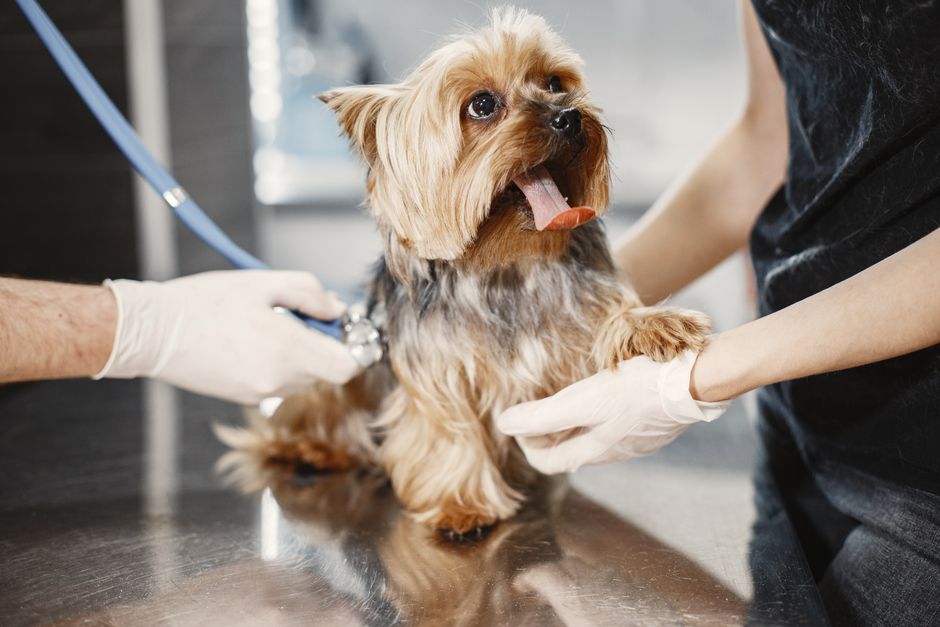
Photo: Mikhail Nilov via Pexels
This article is for general informational purposes only and does not constitute veterinary advice. Pet health symptoms can have many causes and require professional evaluation. Always consult a licensed veterinarian for diagnosis and treatment specific to your pet.
Recommended Resources
Disclosure: As an Amazon Associate, we earn a small commission from qualifying purchases at no extra cost to you. We only recommend products that genuinely support the topics covered in this article.
- EVERLIT 95-Piece Vet-Approved Pet First Aid Kit (~$32), Vet-approved 95-piece kit for dogs and cats, covers cuts, burns, sprains, and emergencies until you can reach a vet.
- Nutramax Cosequin DS Joint Supplement for Dogs (132ct) (~$36), The #1 veterinarian-recommended joint supplement brand, clinically studied for reducing joint pain in dogs.