 Karen Lopez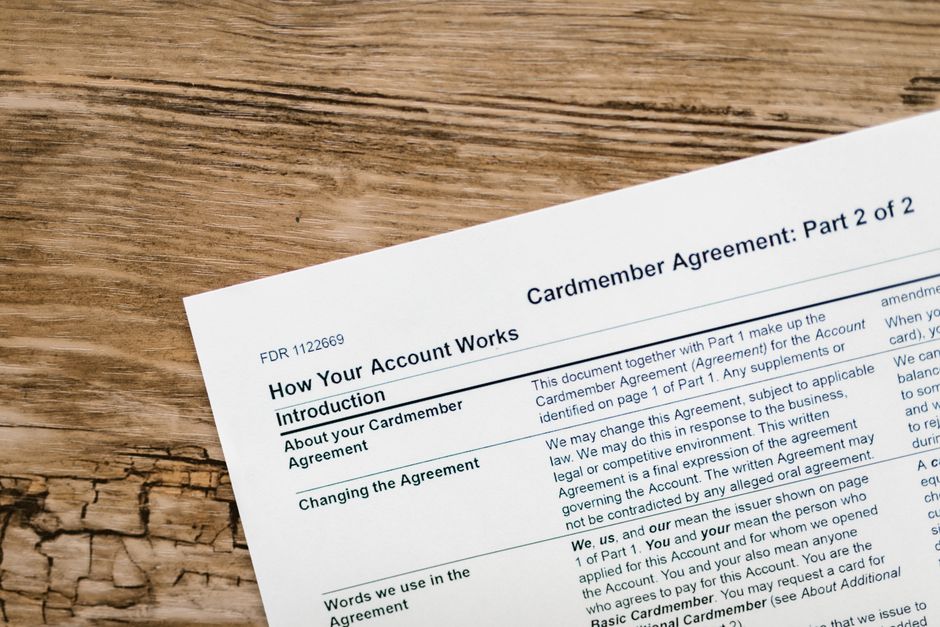
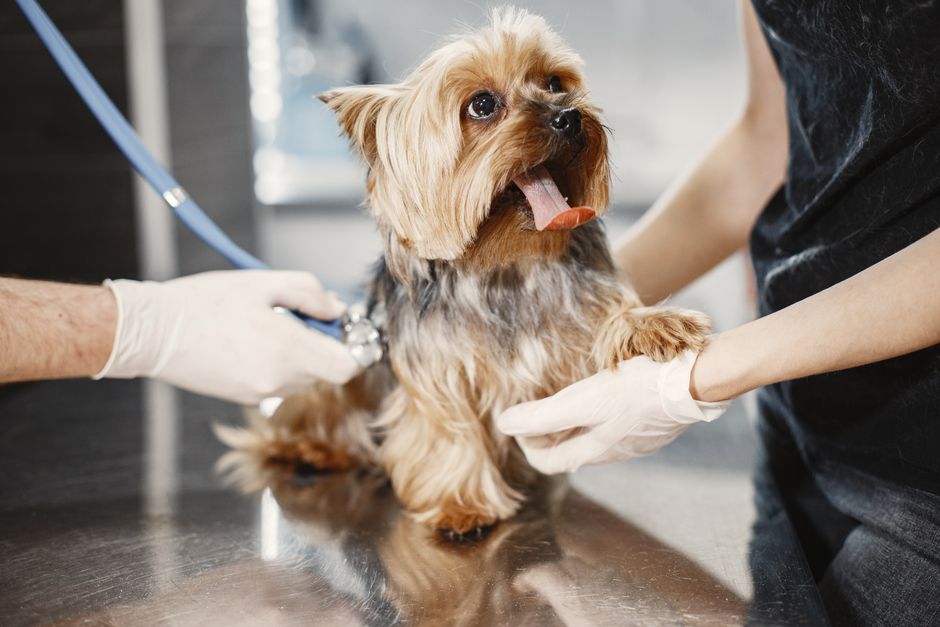
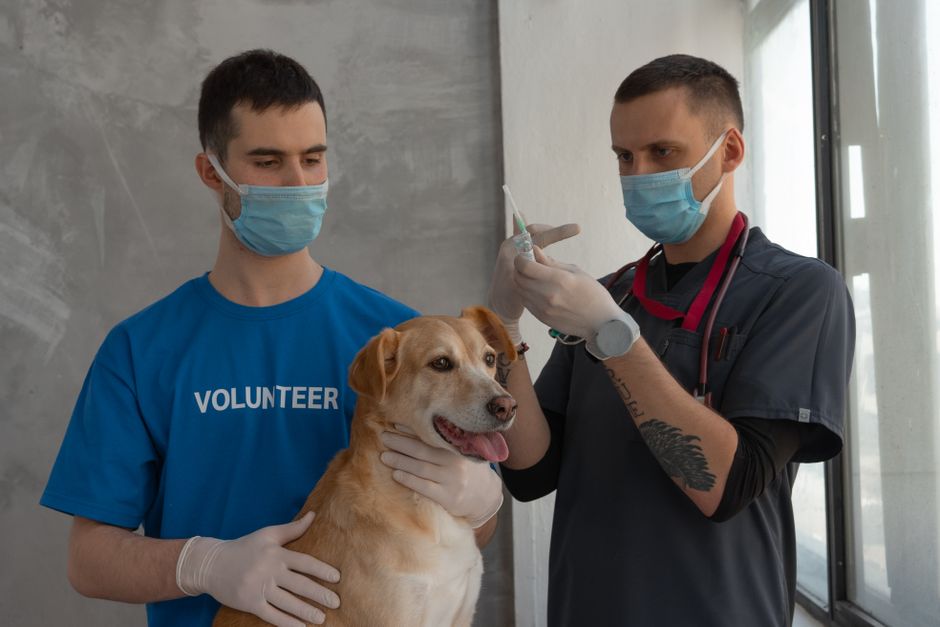
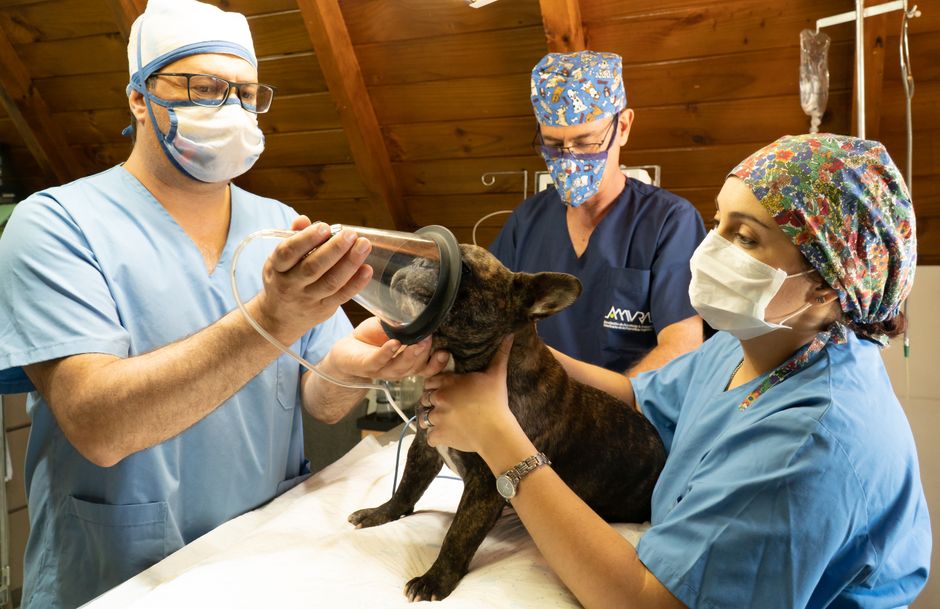
Your dog swallows something he shouldn’t on a Tuesday night. By Thursday he’s in emergency surgery for an intestinal obstruction. You leave the clinic with a healthy dog, a discharge summary, and an invoice for $4,800. I’ve watched this happen dozens of times in 13 years, and I can tell you the owners who had pet insurance walked out relieved. The ones who didn’t were doing math on payment plans before their dog was even fully awake from anesthesia.
So is pet insurance actually worth it? For most pet owners, yeah. The math leans toward yes, and the peace-of-mind factor is real in a way that’s hard to put a price on.
How Pet Insurance Actually Works (And How It Doesn’t)
Pet insurance is not like human health insurance. This trips people up constantly, and the misunderstanding causes real frustration at claim time.
With most pet insurance plans, you pay the vet bill upfront, then submit a claim for reimbursement. The insurer pays you back, typically within 5 to 15 business days, minus your deductible and coinsurance percentage. You’re not handing an insurance card to the receptionist and walking out paying nothing. A few providers, like Trupanion, have direct-pay partnerships with participating clinics, but that’s still the exception rather than the rule.
Key terms before you buy anything:
Deductible: The amount you pay out of pocket before insurance kicks in. Annual deductibles (one payment per policy year regardless of how many claims) are usually better than per-incident deductibles (you pay the deductible fresh for each new condition).
Reimbursement percentage: Most plans offer 70%, 80%, or 90% reimbursement after the deductible. Higher reimbursement means higher monthly premiums.
Annual limit: Some plans cap what they’ll pay out per year. Unlimited annual limits exist and are worth the extra cost for large breeds or known high-risk pets.
Waiting periods: Almost every plan has a waiting period before coverage kicks in, often 14 days for illnesses and 2 days for accidents. Some orthopedic conditions have waiting periods of 6 months. Don’t wait until your dog is limping to buy a policy.
Exclusions: Pre-existing conditions are almost universally excluded. If your cat was diagnosed with chronic kidney disease before you enrolled, that condition won’t be covered. Full stop.
The Real Numbers: What Vet Care Actually Costs
| Condition/Scenario | Typical Cost Range |
|---|---|
| ACL/CCL rupture surgery (per leg) | $3,500-$7,000 |
| Cancer treatment (chemotherapy, radiation, or surgery) | $10,000-$20,000 |
| Bloat surgery (gastric dilatation-volvulus) | $3,000-$7,500 |
| Abdominal ultrasound | $300-$600 |
| MRI for neurological evaluation | $2,000-$3,500 |
| Monthly pet insurance premium (healthy young dog) | $30-$80 |
| Monthly pet insurance premium (healthy young cat) | $15-$40 |
People underestimate veterinary costs until they’re sitting across from a specialist in a waiting room. Routine care is one thing. Emergency and specialty care is a different world entirely.
A torn ACL (technically a CCL rupture in dogs) runs $3,500 to $7,000 per leg for surgery. Cancer treatment, depending on the type and whether it involves chemotherapy, radiation, or surgery, can easily reach $10,000 to $20,000 over the course of treatment. Bloat (gastric dilatation-volvulus) in large breeds is a true emergency and surgery often runs $3,000 to $7,500. Toxin ingestion requiring hospitalization, which the ASPCA Poison Control Center fields calls about constantly, can mean 48 to 72 hours of IV fluids, monitoring, and treatment that adds up fast.
Even non-emergency diagnostics cost more than expected. An abdominal ultrasound runs $300 to $600 at most practices. An MRI for a dog with neurological signs? Easily $2,000 to $3,500. These aren’t outlier prices. These are standard Tuesday afternoon prices at a mid-level specialty center.
Pet insurance premiums for a healthy young dog typically run $30 to $80 per month depending on breed, location, plan design, and deductible. A healthy young cat usually costs $15 to $40 per month. Over five years of no major claims, you’ve spent $1,800 to $4,800. One GI obstruction surgery wipes that out and then some.
The “I’ll just save the money instead” argument sounds rational until you’re 18 months into having a new puppy and your savings account has $600 in it when a crisis hits.
When Pet Insurance Makes the Most Sense
Some situations make insurance a much clearer yes.
Puppies and kittens. Enroll early, before anything has a chance to become a pre-existing condition. A puppy diagnosed with a luxating patella before you’ve enrolled? That knee is now excluded forever on most policies.
Purebred dogs with known health risks. French Bulldogs, English Bulldogs, and other brachycephalic breeds have staggering rates of respiratory, orthopedic, and skin issues. Golden Retrievers have a heartbreaking rate of cancer, with some studies suggesting more than 60% will develop some form of the disease in their lifetime. Large and giant breeds face high risk for bloat and orthopedic conditions. If you bring home a breed with known issues, insurance isn’t optional.
People who would pursue aggressive treatment. If you know yourself well enough to know that you’d pursue chemotherapy, surgery, or specialist care to save your pet’s life, insurance makes that financially viable. If you’d make end-of-life decisions based purely on cost, insurance still matters for unexpected emergencies, but it might matter less.
Multi-pet households. The statistical likelihood that at least one of your three cats will need something significant in a given year goes up considerably. Multiple pet discounts are common, and the coverage can pay for itself faster.
Insurance makes less sense for a senior pet with multiple existing conditions, since those conditions are usually excluded and premiums for older pets are significantly higher. At that stage, a dedicated savings account specifically for vet expenses is often the smarter move.
Comparing Your Options: What to Look For
The pet insurance market has exploded. Healthy Paws, Trupanion, Embrace, Figo, Lemonade, Nationwide, ASPCA Pet Insurance, and others all compete for your business, and their policies vary more than you’d think.
Here’s what to actually compare:
| Feature | What to Look For |
|---|---|
| Deductible type | Annual is usually better than per-incident |
| Reimbursement rate | 80-90% is sweet spot for most people |
| Annual limit | Unlimited is worth the premium for high-risk breeds |
| Waiting periods | Shorter is better; check orthopedic waiting periods specifically |
| Coverage for hereditary conditions | Make sure your breed’s known issues are covered |
| Exam fee coverage | Not all plans cover the office visit itself |
| Direct vet payment option | Useful if you want to reduce upfront costs |
| Customer service and claims reviews | Check actual reviews, not just star ratings |
A few practical steps when shopping:
- Get quotes from at least three providers using the same deductible and reimbursement percentage so you’re comparing apples to apples.
- Read the sample policy document, not just the marketing page. Yes, it’s tedious. Do it anyway.
- Search for your specific breed in the exclusion list. Some insurers quietly exclude certain hereditary conditions for known high-risk breeds.
- Ask whether premiums increase with age and by how much. Some plans increase steeply once a dog hits 7 or 8 years old.
- Check whether wellness care (vaccines, annual exams, flea prevention) is included or available as an add-on. These “wellness plans” are often not true insurance but prepaid care packages, and their value varies.
Helpful resource: EVERLIT 95-Piece Vet-Approved Pet First Aid Kit is worth having at home regardless of your insurance decision. Handling minor wounds, monitoring vitals, and knowing when something needs emergency care can genuinely make a difference. (As an Amazon Associate this site earns from qualifying purchases.)
Wellness Plans vs. Insurance: Don’t Confuse Them
This matters and I see it confused constantly.
Pet insurance is designed for the unexpected. It’s risk management. It protects you from the $5,000 surgery you didn’t see coming.
Wellness plans, which are often offered by vets in-house (think Banfield’s Optimum Wellness Plans or similar offerings from independent practices) or as insurance add-ons, are prepaid maintenance packages. They cover predictable annual costs: vaccines, annual exams, heartworm testing, flea and tick prevention. The American Veterinary Medical Association (AVMA) emphasizes the importance of regular preventive care, and wellness plans can make that routine care more budget-friendly.
The math on wellness plans is often roughly break-even, meaning you’re paying monthly for services you’d pay for anyway. The real value is in spreading the cost and making people more likely to actually bring their pets in regularly. A wellness plan will not pay for that intestinal obstruction surgery. If budget is limited and you have to choose, prioritize true insurance for major medical events.
That said, combining a lean insurance policy with a clinic-based wellness plan can be a smart strategy, especially if your clinic offers significant discounts through the plan.
Veterinary medicine has advanced enormously. The treatments available today can genuinely save and extend lives. But they cost real money, often in moments when you have no time to prepare. Pet insurance won’t cover everything, and no policy is perfect. But having one often means the difference between making a medical decision and making a financial one. Those should never be the same thing. Talk to your vet about what risks are realistic for your specific pet, do your homework on at least three policies, and enroll while your animal is young and healthy. You’ll probably be glad you did.
Sources
- ASPCA Poison Control Center
- EVERLIT 95-Piece Vet-Approved Pet First Aid Kit
- American Veterinary Medical Association (AVMA)
- Nutramax Cosequin DS Joint Supplement for Dogs (132ct)
- Certified Pet First Aid Kit with Guide Book
Disclosure: As an Amazon Associate, we earn a small commission from qualifying purchases at no extra cost to you. We only recommend products that genuinely support the topics covered in this article.
- EVERLIT 95-Piece Vet-Approved Pet First Aid Kit (~$32), Vet-approved 95-piece kit for dogs and cats, covers cuts, burns, sprains, and emergencies until you can reach a vet.
- Nutramax Cosequin DS Joint Supplement for Dogs (132ct) (~$36), The #1 veterinarian-recommended joint supplement brand, clinically studied for reducing joint pain in dogs.
- Certified Pet First Aid Kit with Guide Book (~$22), Certified pet first aid kit with step-by-step instructions, an essential item for every pet owner.
This article is for general informational purposes only and does not constitute veterinary advice. Pet health symptoms can have many causes and require professional evaluation. Always consult a licensed veterinarian for diagnosis and treatment specific to your pet.
Photo: RDNE Stock project via Pexels
Recommended Resources
Disclosure: As an Amazon Associate, we earn a small commission from qualifying purchases at no extra cost to you. We only recommend products that genuinely support the topics covered in this article.
- EVERLIT 95-Piece Vet-Approved Pet First Aid Kit (~$32), Vet-approved 95-piece kit for dogs and cats, covers cuts, burns, sprains, and emergencies until you can reach a vet.
- Nutramax Cosequin DS Joint Supplement for Dogs (132ct) (~$36), The #1 veterinarian-recommended joint supplement brand, clinically studied for reducing joint pain in dogs.
- Certified Pet First Aid Kit with Guide Book (~$22), Certified pet first aid kit with step-by-step instructions, an essential item for every pet owner.