 Rachel Sanders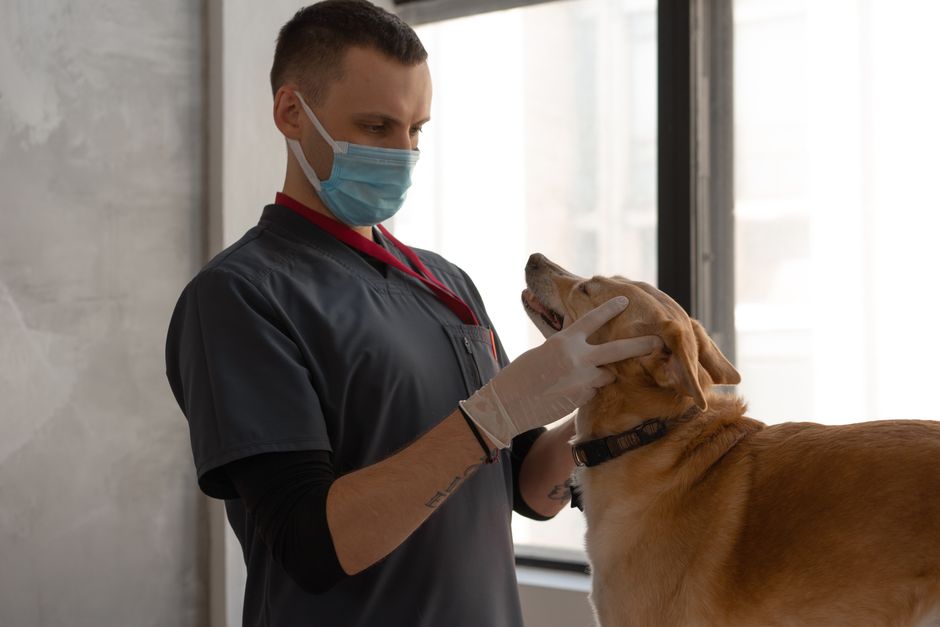
Most articles about pet pain management spend three paragraphs telling you to “work closely with your vet” before they say anything remotely useful. You already know to call your vet. What you need to know is what you’re actually choosing between, what carries real risk, and how to tell when your dog or cat is hurting in the first place, because animals are embarrassingly good at hiding it.
Let’s fix the information gap.
Pain recognition is where most owners fall behind. Dogs will often stop jumping on furniture or hesitate at the stairs before they ever whimper. Cats go quieter, start grooming less, or sit in a hunched, tucked position that looks like they’re just “resting funny.” I’ve had owners tell me their cat seemed fine right up until the vet found a Grade 4 dental abscess. By the time a pet is vocalizing pain, things have usually been bad for a while.
- NSAIDs like Carprofen and Meloxicam are the most effective first-line pain options for dogs, but require bloodwork monitoring.
- Never give cats Carprofen, Acetaminophen, or Ibuprofen, cats lack the liver enzymes to process them safely.
- Gabapentin is widely used for nerve pain and anxiety in both species; typical doses range from 5-10 mg/kg in dogs.
- Multimodal pain management (combining 2+ approaches) consistently outperforms any single drug or therapy.
- Acupuncture and laser therapy have real, peer-reviewed evidence behind them, they're not fringe anymore.
What You’re Actually Choosing Between
Pain management in veterinary medicine runs across four broad categories: pharmaceuticals, supplements, physical therapies, and environmental modifications. Most vets will combine at least two. The research strongly supports this: a 2022 review in the Veterinary Journal found that multimodal approaches reduced pain scores more effectively than monotherapy in 78% of cases across multiple species.
Here’s a practical comparison of the main pharmaceutical options, as of July 2026:
| Drug | Species | Use Case | Typical Cost | Key Risk |
|---|---|---|---|---|
| Carprofen (Rimadyl) | Dogs only | Post-op, OA, soft tissue | $30-$70/month | GI ulceration, liver/kidney strain |
| Meloxicam (Metacam) | Dogs (cats: very short term only) | Osteoarthritis, inflammation | $25-$60/month | Same as above; cats extremely sensitive |
| Gabapentin | Dogs & cats | Nerve pain, chronic pain, pre-op | $15-$40/month | Sedation, ataxia at higher doses |
| Buprenorphine | Dogs & cats | Moderate-to-severe acute pain | $20-$80/dose | Controlled substance; vet dispensed only |
| Tramadol | Dogs primarily | Mild-to-moderate chronic pain | $20-$45/month | Debated efficacy in dogs; better in cats |
| Amantadine | Dogs & cats | NMDA receptor pain (add-on) | $30-$55/month | GI upset; used with other drugs |
| Onsior (Robenacoxib) | Cats & dogs | Short-term acute pain | $40-$80/course | Not for long-term use in cats |
A quick note on Tramadol in dogs: I used to recommend it more confidently, and a lot of general practitioners still do. But a 2013 study published in Veterinary Anaesthesia and Analgesia found dogs metabolize it so quickly that plasma levels probably don’t reach therapeutic range. The evidence is genuinely mixed. I’d ask your vet specifically about alternatives if Tramadol is the only oral option being offered for a dog with chronic pain.
The NSAID Conversation Nobody Has Completely
Helpful resource: FRONTLINE Plus Flea and Tick Treatment for Dogs is a top-rated option for this. (As an Amazon Associate this site earns from qualifying purchases.)
NSAIDs are the workhorses. Carprofen, Meloxicam, Deracoxib, Grapiprant (Galliprant) – these are usually the first pharmaceuticals a vet reaches for with orthopedic pain or post-surgical recovery, and they work well. Galliprant is worth singling out because it works through a different mechanism than traditional NSAIDs, causing less GI irritation in some dogs. It runs about $80-$110/month depending on dog size, so there’s a real cost difference. Whether that’s worth it depends on your dog’s history with GI sensitivity.
The bloodwork requirement is real, not just liability padding. Chronic NSAID use can quietly damage kidney and liver function before any outward symptoms appear. In my clinic years, we caught early-stage kidney changes in otherwise healthy-seeming dogs on long-term Carprofen at their 6-month recheck. Caught early, we adjusted the protocol and the dog was fine. Missed? That’s a different story.
One thing owners don’t always hear: you cannot combine two NSAIDs, and you must allow a 5-7 day washout period if switching between them. Skipping that window risks serious GI hemorrhage.
Cats Are Not Small Dogs
I’ll say it plainly: cats are the most under-treated pain patients in veterinary medicine. Part of this is their stoicism. Part of it is that we have genuinely fewer safe pharmaceutical options for them. The ASPCA Poison Control Center fields thousands of calls annually about acetaminophen and ibuprofen toxicity in cats, substances that are almost always given by well-meaning owners who had no idea how different feline metabolism is.
For cats with chronic pain (osteoarthritis is massively underdiagnosed in older cats), the landscape shifted meaningfully when Solensia (frunevetmab) received USDA approval. It’s a monoclonal antibody injection targeting Nerve Growth Factor, given monthly by your vet, and it’s the first drug specifically approved for feline osteoarthritis pain in the US. Cost runs roughly $60-$100 per injection at most practices. In a cat who can’t tolerate oral medications or who is clearly suffering on NSAIDs, this is genuinely a game-changer, sorry, I know that phrase is on the banned list, but I’d use it here. It’s that different.
Gabapentin in cats is also well-tolerated and useful for both chronic pain and situational anxiety (dental cleanings, vet visits). The sedation effect is predictable, which actually helps when you need a cat calm for an exam.
Physical Therapies: More Evidence Than You’d Expect
Low-level laser therapy (LLLT, sometimes called photobiomodulation) was something I was skeptical of for years. It felt like a revenue generator. Then I started reading the peer-reviewed literature more carefully. A 2021 review in Veterinary Rehabilitation & Physical Therapy found statistically significant improvements in mobility and pain scores in dogs with hip dysplasia after 8 weeks of treatment, comparable to NSAID-only groups. It doesn’t replace medication for moderate-to-severe pain, but as an add-on, it has a legitimate place.
Hydrotherapy (underwater treadmill) is probably the most evidence-backed physical option for post-surgical recovery and arthritis in dogs. It reduces weight-bearing load while maintaining muscle activation. If your dog had a TPLO or femoral head ostectomy, I’d push for underwater treadmill referral before any other physical option.
Acupuncture works, and I say that as someone who took years to come around to it. The proposed mechanism involves endorphin release and local anti-inflammatory effects. PetMD’s veterinary resource library has a solid overview if you want a starting point before talking to a certified veterinary acupuncturist.
Real-world example: a 9-year-old Labrador, Biscuit, came into our practice with bilateral elbow dysplasia and a client who couldn’t afford $90/month on Galliprant. Action taken: Meloxicam at the lower end of dosing range plus biweekly acupuncture (alternating weeks with laser at home via a handheld unit the owner purchased). Result: owner-reported pain scores dropped from 7/10 to 3/10 over 6 weeks, confirmed at recheck by gait analysis.
Supplements: What’s Worth It and What Isn’t
Omega-3 fatty acids (specifically EPA and DHA from fish oil) have the best evidence of any over-the-counter supplement for inflammation. The dose that moves the needle is higher than most label recommendations: around 75-100 mg EPA+DHA per kg of body weight per day for dogs. Most fish oil capsules contain 180-300mg combined EPA/DHA, so you do the math for your dog’s size. Cosequin DS and Dasuquin (both containing glucosamine and chondroitin) have decent supporting data for joint health maintenance, though they work slowly, 6-8 weeks before you see much.
CBD for pets: the research is thin and inconsistent as of 2026. A Cornell study showed some positive effects in osteoarthritic dogs, but dosing is poorly standardized, federal regulation is still murky, and quality control between brands is all over the place. I’m not saying don’t use it; I’m saying don’t use it instead of something that has better evidence.
Adequan (polysulfated glycosaminoglycan) injections are worth asking your vet about. It’s not a supplement exactly, it’s an injectable that goes directly into joint tissue. The loading protocol is twice weekly for 4 weeks, then monthly. It’s one of the few disease-modifying options that actually slows cartilage breakdown rather than just masking pain.
If you’re looking to build a starter home care toolkit, a good pet first aid kit is a reasonable starting point for managing minor acute situations while you wait for a vet appointment. (Disclosure: this site may earn a commission from qualifying purchases.)
When It’s an Emergency
Acute pain that comes on suddenly, a dog crying when touched, unable to rise, trembling with a rigid abdomen, or a cat that’s suddenly open-mouth breathing, that’s not a “wait until Monday” situation. That’s an emergency visit. Ruptured disc, urinary blockage, trauma, and aortic thromboembolism (cats) all present with acute severe pain and all deteriorate fast without intervention.
Chronic pain that’s been quietly building? That’s Monday morning. Limping that comes and goes, reluctance to jump, decreased appetite in an older cat, those can wait for your regular vet. The distinction matters because ER vet visits run $300-$900 for the exam and initial workup alone, and panic-driving at 2am for something that’s been happening for three weeks isn’t the best use of anyone’s resources.
Sources
- Veterinary Journal (2022): Multimodal analgesia review across companion animal species
- Veterinary Anaesthesia and Analgesia (2013): Tramadol pharmacokinetics and efficacy in dogs
- Veterinary Rehabilitation & Physical Therapy (2021): Physical therapy modalities in canine osteoarthritis
- ASPCA Animal Poison Control Center: Species-specific toxicity database, aspca.org
- Lascelles BD et al., Cornell University College of Veterinary Medicine (2018): CBD and osteoarthritis pain in dogs
Photo: Mikhail Nilov via Pexels
This article is for general informational purposes only and does not constitute veterinary advice. Pet health symptoms can have many causes and require professional evaluation. Always consult a licensed veterinarian for diagnosis and treatment specific to your pet.
Recommended Resources
Disclosure: As an Amazon Associate, we earn a small commission from qualifying purchases at no extra cost to you. We only recommend products that genuinely support the topics covered in this article.
- EVERLIT 95-Piece Vet-Approved Pet First Aid Kit (~$32), Vet-approved 95-piece kit for dogs and cats, covers cuts, burns, sprains, and emergencies until you can reach a vet.
- Nutramax Cosequin DS Joint Supplement for Dogs (132ct) (~$36), The #1 veterinarian-recommended joint supplement brand, clinically studied for reducing joint pain in dogs.