 Tom Harris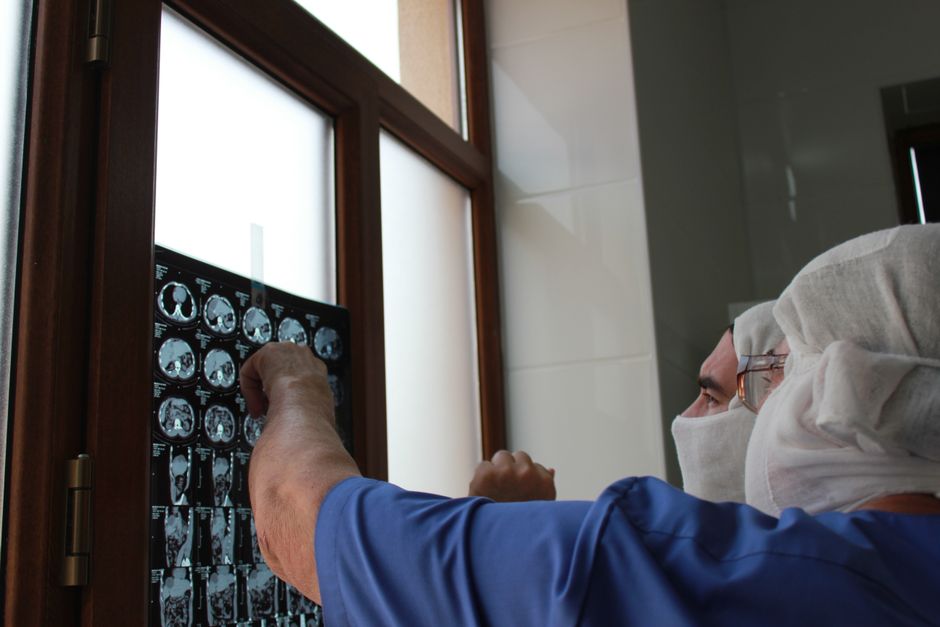
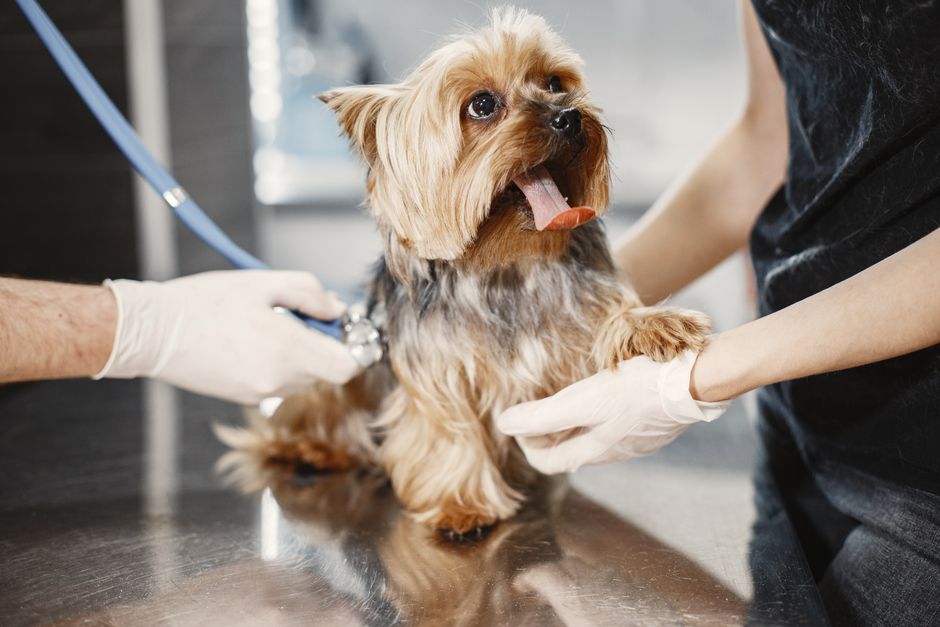
Most pet owners learn what an x-ray costs at the worst possible moment: their dog is limping badly, it’s 9 PM on a Friday, and the emergency clinic just quoted them a number that makes their stomach drop. That’s exactly when you don’t want surprises. So let’s talk about what pet x-rays actually cost, why prices swing so wildly, and how to avoid getting blindsided when your animal needs imaging fast.
What Pet X-Rays Actually Cost (Real Ranges, Not Vague Estimates)
A single x-ray view at a general practice typically runs between $75 and $250. But that’s almost never the full story.
Most diagnostic x-ray series require multiple views. A dog with a suspected fractured leg might need two or three angles of that limb. A cat with labored breathing gets chest films from two positions. A dog with possible bladder stones often needs abdominal films plus a follow-up view. Stack two or three views together, add sedation if the animal won’t stay still, and factor in the radiologist interpretation fee if your vet sends films out for review. You’re looking at $200 to $500 at a general practice.
Emergency and specialty hospitals cost significantly more. Expect those same films to run $300 to $800 or higher depending on your region and how complex the case is. That’s not price-gouging. It’s the cost of 24/7 staffing, specialist-level equipment, and running a facility that can handle a dog in respiratory arrest at 2 AM.
Why the Price Varies So Much
| Scenario | Typical Cost Range | Notes |
|---|---|---|
| Single x-ray view (general practice) | $75-$250 | Per view; most cases need multiple views |
| Multi-view series (2-3 views, general practice) | $200-$500 | Includes typical diagnostic imaging without sedation |
| Multi-view series (emergency/specialty hospital) | $300-$800+ | Reflects 24/7 staffing and specialist-level equipment |
| Sedation add-on | $50-$150+ | Depends on drug protocol and animal size |
| Specialist radiologist interpretation (teleradiology) | Included in above or separate fee | Turnaround typically a few hours to overnight |
Geography does the heaviest lifting. A two-view chest series in rural Missouri costs less than the identical films at a Los Angeles specialty center. Overhead, real estate, and local labor markets all feed into it.
The type of facility matters just as much. AAHA-accredited hospitals, which meet the AAHA’s rigorous standards for equipment, staffing, and medical protocols, often have newer digital radiography systems. Digital x-rays produce sharper images faster, and that efficiency can actually keep costs more competitive than you’d expect, though the upfront equipment investment does affect practice pricing.
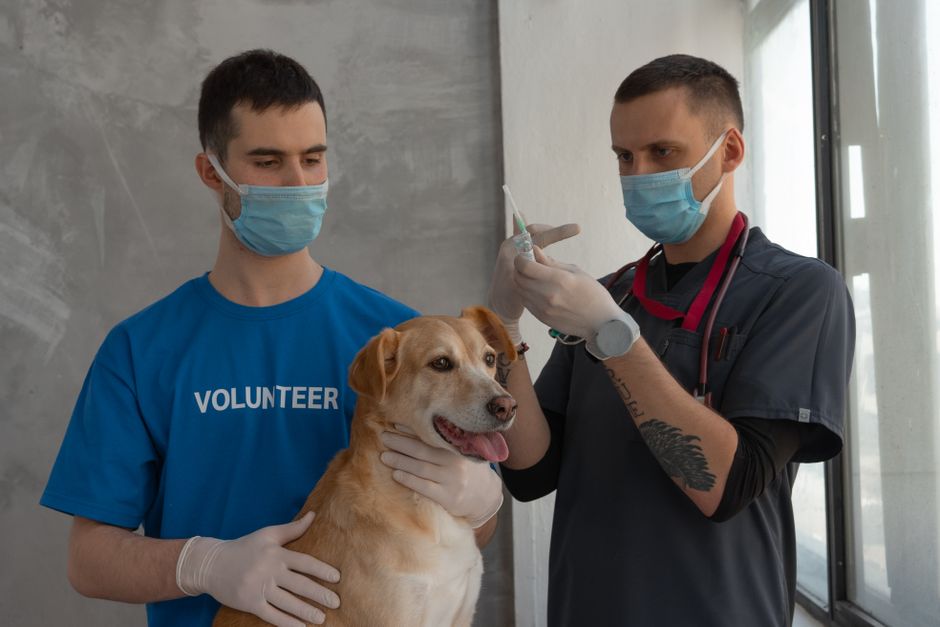
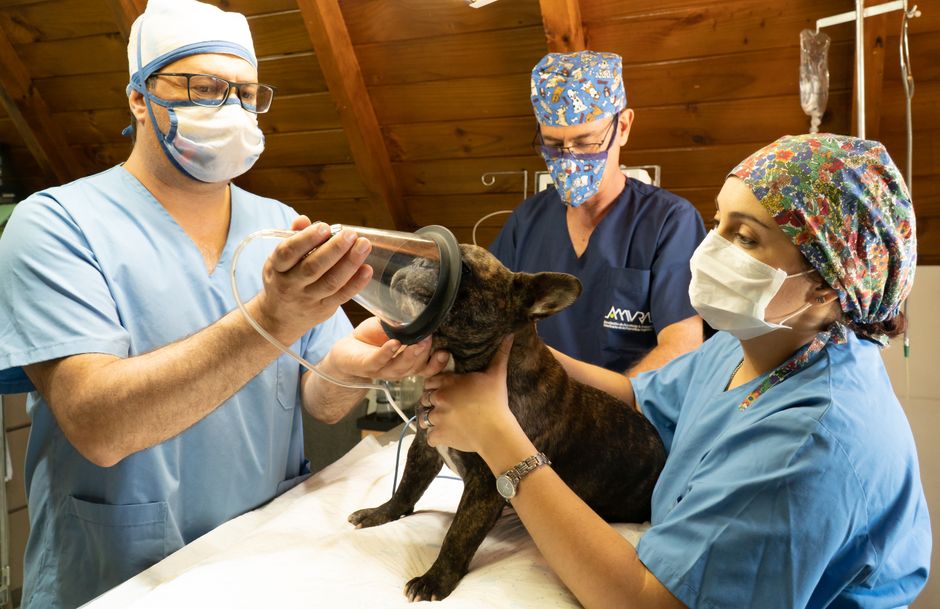
Sedation is the line item that catches people off guard. A fractious cat, a dog in pain, or any patient who won’t hold still for a 10-second exposure may need sedation to get a diagnostic-quality image. Forcing a dog to hold a position it finds painful just produces blurry, unreadable films. Sedation adds $50 to $150 or more depending on the drug protocol and the animal’s size.
Finally, specialist interpretation. Your vet may read the films in-house, or they may send them to a board-certified veterinary radiologist via teleradiology. That second opinion adds cost but meaningfully improves diagnostic accuracy, especially for chest, abdominal, or neurological cases.
How to Prepare Before You Walk Into the Clinic
You can do a few things right now, before any emergency, that’ll reduce financial panic later.
Know your baseline. Call your regular vet during a non-crisis week and ask what they charge for a two-view chest or abdominal series. You’re not locking in a price. You’re getting calibrated so emergency quotes make sense when they come.
Ask about payment options upfront. Many practices work with CareCredit or Scratchpay, and some have in-house payment plans. The AVMA supports expanded access to veterinary care, and most good practices reflect that value. Asking about financing isn’t embarrassing. Vets and vet techs would rather discuss it before treatment than have you decline imaging your pet genuinely needs.
Consider pet insurance. If you’re reading this before a crisis, now’s the time to look. Most accident and illness policies cover diagnostics including x-rays, and they’re genuinely worth the monthly premium for dogs and cats under 10 with no major pre-existing conditions.
Build a basic emergency fund. Even $500 set aside specifically for pet care changes your options dramatically. A dedicated savings account won’t cover imaging, but reducing small-expense emergencies keeps more in reserve for the big ones.
Step-by-Step: How to Talk to Your Vet About X-Ray Costs Without Feeling Awkward
A lot of clients freeze when money comes up. Here’s the approach that works.
Before anything is ordered, say: “Before we move forward, can you walk me through what the imaging will cost and what you’re hoping to learn from it?” That question is completely appropriate and good vets expect it.
Ask what changes if you skip the x-ray. Sometimes imaging confirms a clinical diagnosis without changing the treatment plan. Other times it’s essential. You need to know which situation you’re in.
Ask if staging matters. For something like a mild limp with no weight-bearing loss, your vet might reasonably recommend rest for 48 hours before imaging. For a dog who can’t put any weight on a leg, imaging now is the smarter call.
Request an itemized estimate. You’re entitled to see what you’re agreeing to before it happens. Views, sedation, interpretation fees, radiologist consult: all of it should be on a written estimate.
Confirm the turnaround if films go to a radiologist. Teleradiology reports often come back within a few hours, but some take overnight. That timeline affects decisions.
When You Absolutely Cannot Skip the X-Ray
Some situations make x-rays non-negotiable regardless of cost.
A dog or cat who ate a foreign object and is vomiting needs abdominal films. A linear foreign body (like string in a cat) can cause intestinal perforation within hours. A pet hit by a car needs chest and abdominal films even if they seem okay, because internal injuries and pneumothorax don’t always show up as obvious external trauma. A dog with labored breathing and blue-tinged gums is a medical emergency: films differentiate pulmonary edema, pleural effusion, and pneumonia, and each is treated completely differently. Any suspected broken bone needs imaging before splinting.
The cases where owners declined x-rays due to cost and then returned two days later are heartbreaking for everyone involved. Some things genuinely can’t wait.
X-rays are one of those veterinary expenses that feels shocking in the moment and completely reasonable in hindsight, especially when the image shows exactly what was wrong. Knowing the cost landscape ahead of time, asking good questions before the stress hits, and having some financial buffer in place means you’ll spend less energy on the money conversation and more on what actually matters: getting your animal the care they need.
This article is for general informational purposes only and does not constitute veterinary advice. Pet health symptoms can have many causes and require professional evaluation. Always consult a licensed veterinarian for diagnosis and treatment specific to your pet.
Sources
- AAHA’s rigorous standards
- AVMA
- Midwest Homes Folding Metal Dog Crate
- Nylabone Power Chew Durable Dog Chew Toys
- PetSafe Easy Walk No-Pull Dog Harness
Disclosure: As an Amazon Associate, we earn a small commission from qualifying purchases at no extra cost to you. We only recommend products that genuinely support the topics covered in this article.
- EVERLIT 95-Piece Vet-Approved Pet First Aid Kit (~$32), Vet-approved 95-piece kit for dogs and cats, covers cuts, burns, sprains, and emergencies until you can reach a vet.
- Nutramax Cosequin DS Joint Supplement for Dogs (132ct) (~$36), The #1 veterinarian-recommended joint supplement brand, clinically studied for reducing joint pain in dogs.
- Renogy 200W Solar Starter Kit + 30A Charge Controller (~$169), Complete beginner solar kit, 200W monocrystalline panel, charge controller, and mounting hardware included.
- Renogy 2×100W Monocrystalline Solar Panels (~$99), Expandable 200W panel set from the most trusted DIY solar brand, used widely in off-grid and home backup systems.
Recommended Resources
Disclosure: As an Amazon Associate, we earn a small commission from qualifying purchases at no extra cost to you. We only recommend products that genuinely support the topics covered in this article.
- EVERLIT 95-Piece Vet-Approved Pet First Aid Kit (~$32), Vet-approved 95-piece kit for dogs and cats, covers cuts, burns, sprains, and emergencies until you can reach a vet.
- Nutramax Cosequin DS Joint Supplement for Dogs (132ct) (~$36), The #1 veterinarian-recommended joint supplement brand, clinically studied for reducing joint pain in dogs.