 Michelle Chen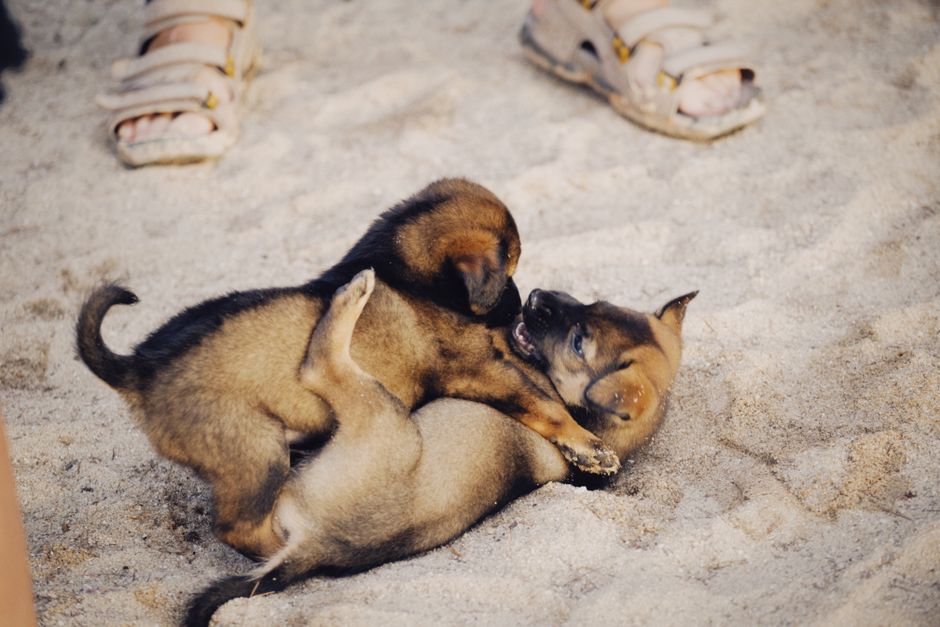
Most people don’t realize they have roughly 12 weeks to shape who their dog will be for the next 15 years. That’s not an exaggeration. The socialization window in puppies closes around 12-16 weeks of age, and what the research shows about what happens inside that window is genuinely startling: a landmark study published in Applied Animal Behaviour Science found that dogs who lacked adequate socialization before 12 weeks were significantly more likely to develop fear-based aggression, noise phobias, and generalized anxiety as adults. We’re talking about a window that’s shorter than a single semester of school, and most new owners spend the first half of it just figuring out potty training schedules.
I’ll be honest, when I first started working in a small animal clinic back in 2013, I didn’t fully appreciate how small that margin was. I watched dogs come in at 18 months, 2 years, 4 years with behavioral problems that their owners couldn’t trace to any single trauma. A lot of those cases came back to what didn’t happen before week 14, not what did. That realization changed how I talk to new puppy owners entirely.
What surprised me was how badly this subject gets oversimplified in most advice out there. “Take your puppy to the park” is not a socialization plan. And “expose them to everything” without structure can actually backfire and create sensitization instead of the confidence you’re trying to build. There’s a right way to do this, and a lot of commonly repeated advice gets it meaningfully wrong.
- The socialization window closes at roughly 12-16 weeks; missing it has lifelong behavioral consequences.
- Aim for 100 novel experiences before 16 weeks, documented in a socialization checklist.
- Overwhelm is the enemy: keep exposures brief, positive, and below your puppy's stress threshold.
- Incomplete vaccination doesn't mean zero socialization, enroll in puppy classes at reputable facilities before shots are done.
- Fear periods at 8-11 weeks and again at 6-14 months require adjusted (not paused) socialization.
The 100 Experiences Goal (And Why That Number Exists)
Dog trainer and veterinary behaviorist advocates have long circulated the “Puppy’s First Month Home” checklist, which targets 100 different socialization exposures in the first month you have your puppy. Sounds like a lot. But break it down: that’s roughly 3 novel things per day, which is very doable if you’re intentional about it. The goal isn’t arbitrary. It comes from behavioral science research showing that variety and repetition during the critical period build generalized confidence rather than context-specific tolerance.
What counts as an “experience”? Men with beards. Children running. Skateboards. Umbrellas opening. Tile floors versus carpet versus grass. The sound of a vacuum from two rooms away. A person wearing a hat. None of these have to be dramatic events. In fact, they shouldn’t be. You want your puppy to notice the stimulus, look at it, and then go back to normal life. That’s the win.
The mistake I see constantly: owners taking puppies to overwhelmingly busy environments (think: farmer’s markets, Fourth of July crowds, dog parks full of adult dogs) and calling that socialization. If your puppy is trembling, trying to hide, or can’t take a treat because they’re too stressed, you’ve pushed past the threshold. You’re building anxiety, not confidence. Shorter exposures in moderately stimulating environments, always paired with high-value treats like small pieces of chicken or Zuke’s Mini Naturals, are worth ten times more than one high-intensity trip.
The Vaccination Question Nobody Agrees On
Helpful resource: Catit Flower Fountain , Cat Water Fountain is a top-rated option for this. (As an Amazon Associate this site earns from qualifying purchases.)
This is where it gets genuinely complicated, and I want to be honest that the research here is mixed in a real way.
Historically, vets advised keeping puppies home until they completed their full vaccine series, which runs to around 16 weeks. The problem: that’s also when the socialization window closes. The American Veterinary Medical Association (AVMA) has updated its position to acknowledge this tension, and most veterinary behaviorists now recommend that the behavioral risk of under-socialization outweighs the infectious disease risk when proper precautions are taken.
What that actually looks like in practice:
- Puppy classes held on sanitized surfaces, with vaccination-verified attendees, are generally considered safe after the first round of vaccines (around 7-8 weeks)
- Avoid dog parks, pet stores, and high-traffic outdoor areas where unvaccinated or sick dogs may have been until the series is complete
- Friends’ yards, controlled puppy playdates, and socialization classes are your workhorses during this window
The ASPCA Poison Control Center isn’t your contact for this question, but for anything your curious puppy puts in their mouth during socialization walks, their number (888-426-4435) is worth saving in your phone. I have it memorized at this point.
What the Socialization Window Actually Looks Like Week by Week
Current developmental research (as of 2026) describes a few overlapping phases that matter for how you approach socialization:
| Age | Phase | What’s Happening | Socialization Priority |
|---|---|---|---|
| 3-5 weeks | Canine socialization | Learning from littermates/mom | Breeder’s job: gentle human handling |
| 6-8 weeks | Human socialization opens | Fear response activating | Novel people, surfaces, mild sounds |
| 8-11 weeks | First fear period | Startle responses heightened | Keep exposures gentle; don’t push |
| 12-16 weeks | Window narrowing | Learning slows dramatically | Maximize variety NOW |
| 6-14 months | Second fear period | May regress on old exposures | Revisit socialization; don’t skip it |
That 8-11 week fear period is the one that catches people off guard. Many puppies arrive home right at 8 weeks, which is exactly when they may suddenly startle at things that didn’t bother them at 6 weeks. One of my clinic’s regular clients, Sarah, got a Golden Retriever puppy in early 2025 and emailed me frustrated that he’d become “suddenly terrified of strangers” at 9 weeks. She thought she’d done something wrong. She hadn’t. Knowing that this is a normal developmental phase, and just dialing back the intensity of exposures rather than stopping entirely, got him through it beautifully.
I don’t have perfectly precise numbers for every breed group, and I’ll be upfront that this chart reflects general patterns from the developmental literature rather than a single controlled study. The broader point holds: the window varies, but not by much, and it’s always shorter than you think.
How to Actually Run a Socialization Session
This is the part I wish someone had spelled out for me early on, because I genuinely got it wrong with my own dog for the first two weeks.
Pick one or two new things per session. Keep it under 20 minutes. Bring treats your puppy genuinely goes crazy for (not their kibble). The sequence that works:
- Introduce the stimulus at a distance where your puppy notices but isn’t alarmed
- Mark the moment they look at it calmly with a “yes!” or a clicker
- Reward immediately with a treat
- Let them approach at their own pace, never force it
- Neutral or positive ending, then leave before they’re exhausted
Example outcome: Rescue pup, 10 weeks old, came into our clinic terrified of men in hats. Owner did 5-minute desensitization sessions daily for 2 weeks, always associating a ball cap at increasing proximity with small chicken pieces. By week 3, the dog was walking up to strangers in hats for treats with a loose, waggy body. That’s not magic, that’s just correctly applied classical conditioning.
The puzzle feeders and interactive toys (affiliate link; the site may earn a small commission) are useful here too, not for socialization directly but for building the puppy’s overall confidence and frustration tolerance, which makes socialization easier. A dog who can problem-solve a Kong is a dog who can recover from mild stress faster.
What to Do If You’ve Already Missed the Window
First: don’t panic, and don’t give up. The window closing doesn’t mean change becomes impossible. It means it becomes harder and slower. Adult dogs can and do learn new associations. It just takes more repetition, more patience, and sometimes the involvement of a certified veterinary behaviorist (find one through the American College of Veterinary Behaviorists) or a trainer with a CPDT-KA credential.
I’ve seen adult dogs with significant fear histories make real, measurable progress. What I haven’t seen is those dogs change in 6 weeks with a YouTube tutorial. That honesty is important. If your 2-year-old Labrador is lunging at strangers on walks, that’s a professional referral, not a DIY project.
Sources
- Applied Animal Behaviour Science (Socialization in puppies): Foundational research on critical developmental periods and behavioral outcomes in dogs
- American Veterinary Medical Association (AVMA): Position statements on puppy socialization and vaccination timing
- American College of Veterinary Behaviorists: Referral directory and clinical guidance on behavioral development
- Howell, T.J., King, T., & Bennett, P.C. (2015). “Puppy parties and beyond: the role of early age socialization practices on adult dog behavior.” Veterinary Medicine: Research and Reports
- Overall, K.L. (2013). Manual of Clinical Behavioral Medicine for Dogs and Cats: Widely cited clinical reference on fear periods and socialization protocols
Photo: Alexey Demidov via Pexels
This article is for general informational purposes only and does not constitute veterinary advice. Pet health symptoms can have many causes and require professional evaluation. Always consult a licensed veterinarian for diagnosis and treatment specific to your pet.
Recommended Resources
Disclosure: As an Amazon Associate, we earn a small commission from qualifying purchases at no extra cost to you. We only recommend products that genuinely support the topics covered in this article.
- EVERLIT 95-Piece Vet-Approved Pet First Aid Kit (~$32), Vet-approved 95-piece kit for dogs and cats, covers cuts, burns, sprains, and emergencies until you can reach a vet.
- Nutramax Cosequin DS Joint Supplement for Dogs (132ct) (~$36), The #1 veterinarian-recommended joint supplement brand, clinically studied for reducing joint pain in dogs.
- Certified Pet First Aid Kit with Guide Book (~$22), Certified pet first aid kit with step-by-step instructions, an essential item for every pet owner.
- Purina Pro Plan FortiFlora Probiotic for Dogs (30ct) (~$32), The #1 vet-recommended probiotic for dogs, prescribed to manage diarrhea, vomiting, and intestinal upset.