 James Whitfield
Your cat turns 11, and suddenly she’s sleeping in different spots, drinking more water, and seems a little stiff getting up from her favorite chair. You chalk it up to “just getting older.” But here’s what a lot of people don’t realize: cats are considered senior at age 11, and geriatric by 15. Those subtle changes you’re noticing aren’t random. They’re often the first signals of conditions that are very manageable when caught early, and genuinely serious when they’re not.
Senior cats are masters of hiding discomfort. It’s built into their biology as prey animals. That’s exactly why understanding what’s normal aging versus what needs veterinary attention can make a real difference in how many good years your cat has left.
How Aging Actually Changes a Cat’s Body
The shift from adult to senior cat isn’t dramatic overnight, but the internal changes are significant. Kidney function starts to decline. Thyroid glands can become overactive. Joints accumulate wear. Dental disease, which affects an estimated 70-80% of cats over age 3, becomes even more problematic with age. Cognitive function can slip in ways that look a lot like dementia in humans.
Metabolically, older cats process protein less efficiently. That sounds technical, but it has a practical consequence: a senior cat actually needs more high-quality protein than a middle-aged cat, not less. The old advice to put senior cats on low-protein food to “protect their kidneys” has largely been revised. Unless your cat has been diagnosed with kidney disease and your vet has recommended protein restriction specifically, most senior cats do better on a diet with adequate, high-quality protein.
Weight changes go both directions in senior cats. Some gain weight from reduced activity. Others lose weight because of hyperthyroidism, kidney disease, diabetes, or simply because they’re not absorbing nutrients as well. Both extremes carry risk. You can read more about the dangers of extra weight in cats over at our cat obesity health risks article, which covers what those extra pounds are actually doing to their joints, heart, and lifespan.
Muscle mass also decreases with age. This is called sarcopenia, and it’s one reason an older cat can look thin even at a healthy weight. Running your hands along your cat’s spine and feeling for muscle loss over the hips and shoulders is something I’d encourage every owner of a senior cat to do monthly.
The Vet Visit Schedule That Actually Makes Sense
Helpful resource: Rayco First Aid Kit for Dogs and Cats is a top-rated option for this. (As an Amazon Associate this site earns from qualifying purchases.)
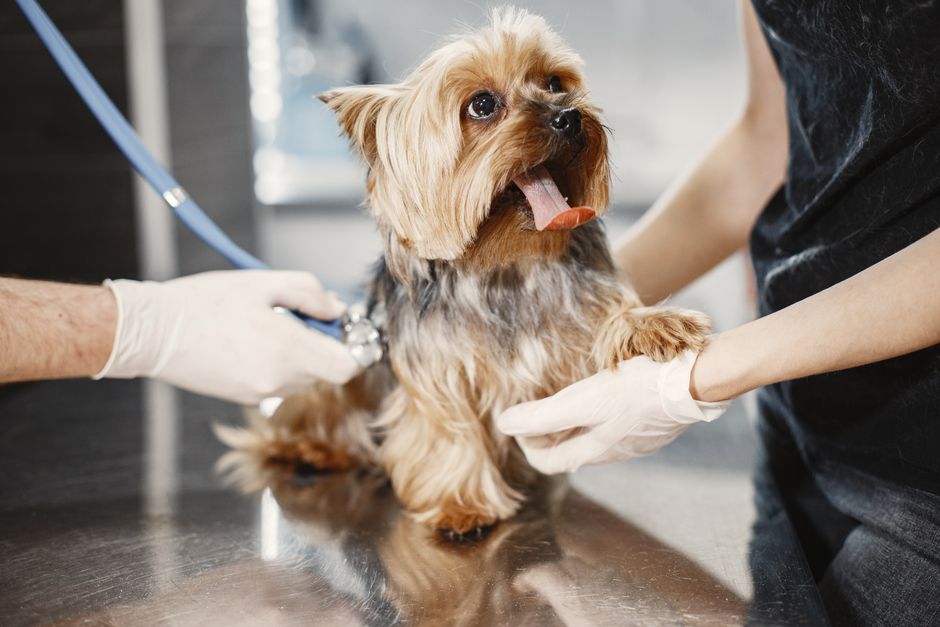
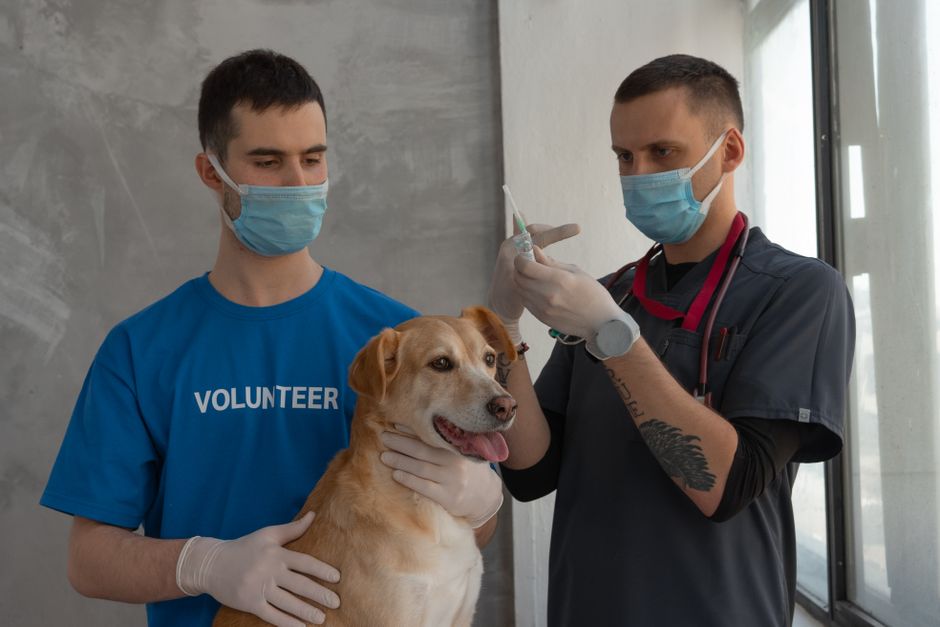
Here’s where I’ll be direct: once your cat hits 11, annual vet visits aren’t enough. The American Animal Hospital Association (AAHA), whose hospital accreditation standards set the bar for quality veterinary care in North America, recommends that senior and geriatric cats be seen every six months. Not because vets want to see you more often. Because six months in a cat’s life is equivalent to roughly two human years. A lot can change.
Those biannual visits should include bloodwork and a urinalysis every single time. The combination tells your vet things that a physical exam simply can’t, like early kidney disease, elevated thyroid hormone, early diabetes, or liver changes. Catching hyperthyroidism when a cat’s T4 level is mildly elevated is a very different treatment situation than catching it after the cat has lost three pounds and developed a heart murmur from uncontrolled disease.
Our cat annual vet visit what to expect article walks through exactly what happens and how to prepare, including questions worth asking your vet about bloodwork panels specifically designed for older cats.
Before each appointment, keep a two-week log of anything unusual: water intake, litter box trips, appetite changes, vomiting, behavior shifts. Vets have limited appointment time. A written log is one of the best things you can do to make that time count.
Recognizing the Signs That Need Attention Now vs. Later
How to Keep Your Senior Dog Healthy: Top 7 Tips for Happy Aging Pets · Veterinary Secrets on YouTube
Not everything requires a same-day call. But some things do. Here’s a practical breakdown:
Call your vet today (or go to an emergency clinic after hours):
- Straining to urinate with little or no output, especially in male cats. This can be a life-threatening urinary blockage within hours.
- Sudden loss of use of back legs, with cold feet and crying out. This can indicate aortic thromboembolism, a cardiac emergency.
- Open-mouth breathing or panting at rest.
- Complete refusal to eat for more than 48 hours combined with lethargy.
- Seizures.
Schedule an appointment within a few days:
- Increased thirst and urination that’s new.
- Unexplained weight loss over a few weeks.
- Vomiting more than once or twice a week consistently.
- Notable changes in litter box behavior.
Mention at your next scheduled visit:
- Sleeping more than usual.
- Mild stiffness that comes and goes.
- Changes in grooming habits.
- More vocal at night.
The cat vomiting when to worry article is a solid resource for context on when vomiting crosses into concerning territory.
Comfort and Mobility: The Practical Changes That Matter
Arthritis affects a significant percentage of senior cats. Studies have found radiographic evidence of arthritis in over 90% of cats older than 12. But cats don’t limp the way dogs do. Instead, they stop jumping up to their favorite perch. They hesitate before stepping into a litter box with high sides. They groom less, especially their back end, because twisting hurts.
Here’s what actually helps:
Step-by-step senior cat comfort audit for your home:
Litter box access. Switch to a box with at least one low entry point (3 inches or less). If your cat used to use a covered box and now isn’t, the movement required to get in and out may hurt. Check the cat not using litter box causes guide if you’re seeing bathroom accidents outside the box.
Food and water placement. Raise food and water bowls 3-4 inches off the floor to reduce neck strain. Many senior cats benefit from a water fountain since moving water encourages drinking and kidney health.
Ramp or step access. If your cat has always slept on the bed or a certain chair and has stopped, she may not be able to jump comfortably. Pet stairs or a ramp can restore that access without forcing her to leap.
Warm sleeping spots. Older cats feel the cold more and gravitate toward warmth. A self-warming bed or a spot near (not on top of) a heat source helps joints feel better.
Joint supplements. Omega-3 fatty acids have real evidence behind them for joint inflammation. A fish oil supplement formulated for cats, or a diet already high in EPA/DHA, is worth discussing with your vet. Some veterinarians also use glucosamine/chondroitin, and there’s a newer injectable option called Solensia (frunevetmab) specifically approved for feline arthritis pain.
If you want a starting point for a pet first aid and comfort kit, basic pet first aid kits on Amazon can be useful to have on hand for senior cats (this site may earn a commission from qualifying purchases). Just make sure you’re not using it as a substitute for veterinary care.
Cognitive and Behavioral Changes in Older Cats
Feline cognitive dysfunction syndrome (CDS) is real and more common than most pet owners realize. It’s estimated to affect around 28% of cats aged 11-14, and over 50% of cats over 15. The signs overlap with other conditions, so bloodwork to rule out hyperthyroidism, hypertension, or pain is always the first step.
Signs that might suggest CDS:
- Yowling or crying, especially at night.
- Seeming disoriented or getting “stuck” in corners.
- Changed sleep-wake cycles.
- Less interaction with family members.
- Forgetting where the litter box is.
- Increased anxiety or clinginess, or the opposite, unusual withdrawal.
PetMD’s veterinary resource library has solid background on feline cognitive dysfunction if you want more clinical detail on the progression.
Hiding behavior that’s new or more frequent in a senior cat is worth taking seriously. Cats often hide when they’re not feeling well. Our cat hiding behavior explained article breaks down how to read that behavior in context and when it warrants a vet call.
Enrichment still matters for cognitively aging cats. Puzzle feeders, short interactive play sessions, and consistent daily routines all support brain health. Change, for a senior cat, is genuinely harder to adjust to than it was at age 4.
Nutrition, Dental Health, and Medications
Dental disease in senior cats isn’t just about bad breath. Painful mouths lead cats to eat less, or swallow food without chewing, which affects digestion. Bacteria from diseased gums can affect kidney and heart tissue over time. If your cat’s breath has changed, she’s dropping food, pawing at her face, or eating on one side, those are signs worth looking at. The cat dental disease signs article goes deeper on what to watch for.
Many senior cats end up on one or more daily medications, whether for thyroid disease, blood pressure, kidney support, or pain. Getting a cat to take medication daily is its own skill. Pill pockets, compounded transdermal gels applied to the inner ear flap, and flavored liquid formulations are all real options. Be honest with your vet about what’s realistic. A medication your cat spits out every day is not doing anything.
The senior years with a cat can honestly be some of the most rewarding. These animals know their people deeply. If you know what to look for and stay ahead of what their aging bodies need, many cats live comfortably well into their late teens. You don’t need to be reactive and anxious about every change. You just need to be paying attention.
This article is for general informational purposes only and does not constitute veterinary advice. Pet health symptoms can have many causes and require professional evaluation. Always consult a licensed veterinarian for diagnosis and treatment specific to your pet.
Sources
- Rayco First Aid Kit for Dogs and Cats
- basic pet first aid kits on Amazon
- Arm & Hammer Dog Dental Spray, No Brush Needed
- FRONTLINE Plus Flea and Tick Treatment for Dogs
- EVERLIT 95-Piece Vet-Approved Pet First Aid Kit
Disclosure: As an Amazon Associate, we earn a small commission from qualifying purchases at no extra cost to you. We only recommend products that genuinely support the topics covered in this article.
- EVERLIT 95-Piece Vet-Approved Pet First Aid Kit (~$32), Vet-approved 95-piece kit for dogs and cats, covers cuts, burns, sprains, and emergencies until you can reach a vet.
- Nutramax Cosequin DS Joint Supplement for Dogs (132ct) (~$36), The #1 veterinarian-recommended joint supplement brand, clinically studied for reducing joint pain in dogs.
- Nutramax Cosequin Senior Dog Soft Chews (60ct) (~$32), Senior-specific Cosequin formula with added Omega-3s, designed for aging dogs with joint and immune health needs.
Photo: …
Recommended Resources
Disclosure: As an Amazon Associate, we earn a small commission from qualifying purchases at no extra cost to you. We only recommend products that genuinely support the topics covered in this article.
- EVERLIT 95-Piece Vet-Approved Pet First Aid Kit (~$32), Vet-approved 95-piece kit for dogs and cats, covers cuts, burns, sprains, and emergencies until you can reach a vet.
- Nutramax Cosequin DS Joint Supplement for Dogs (132ct) (~$36), The #1 veterinarian-recommended joint supplement brand, clinically studied for reducing joint pain in dogs.
- Nutramax Cosequin Senior Dog Soft Chews (60ct) (~$32), Senior-specific Cosequin formula with added Omega-3s, designed for aging dogs with joint and immune health needs.