 Karen Lopez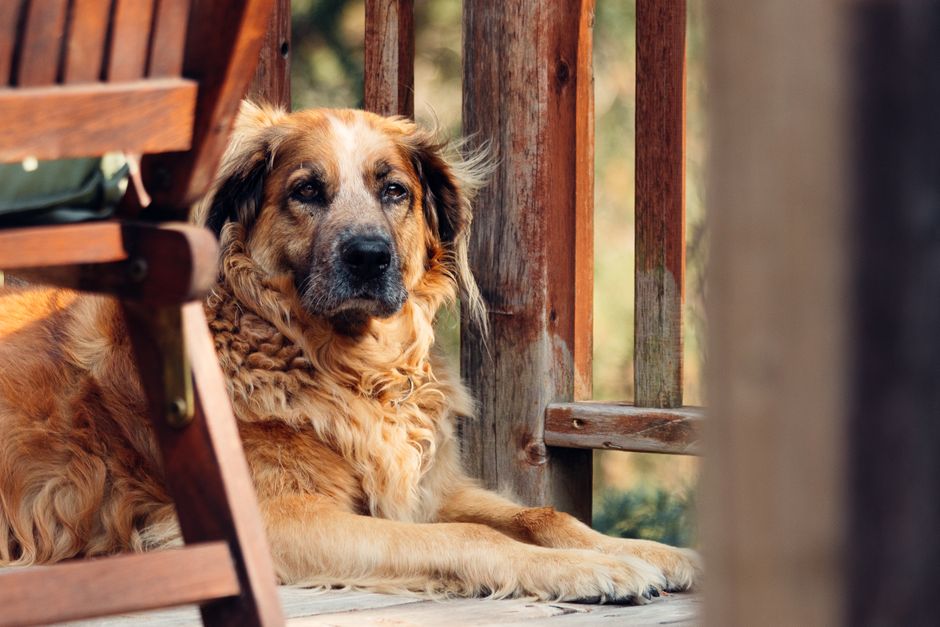
Your 9-year-old Lab mix has started sleeping through his morning walk invitation, the one that used to send him skidding across the hardwood floors. He’s eating fine, drinking fine, but something has shifted. You can feel it even if you can’t quite name it. That subtle change is often the first sign that your dog has crossed into senior territory, and knowing how to respond can genuinely add quality years to his life.
Dogs are generally considered senior at 7 years old, though size matters a lot here. Giant breeds like Great Danes can hit senior status closer to 5 or 6, while small dogs under 20 pounds often don’t show meaningful age-related decline until 9 or 10. That variability is exactly why “senior dog care” isn’t a one-size checklist. It’s a shifting, individualized process that rewards owners who pay close attention.
What’s Actually Happening Inside an Aging Dog
“Grain-free is always healthier for senior dogs”: Most pet owners assume grain-free diets are superior, often choosing them to avoid fillers or perceived digestive issues. But research tells a different story. A 2018 FDA investigation found no scientific evidence linking grains to health problems in dogs, while a 2021 study in Frontiers in Veterinary Science showed grain-inclusive diets were just as digestible as grain-free alternatives. More concerning: grain-free diets high in legumes have been linked to dilated cardiomyopathy (DCM) in some breeds. For senior dogs especially, a balanced diet with quality grains (brown rice, oats) provides fiber and B vitamins that support aging joints and cognition. The best diet isn’t grain-free, it’s one formulated by a veterinary nutritionist for your dog’s specific health needs.
“Grain-free is always better for dogs”: Most pet owners believe grain-free diets are superior, often assuming grains are harmful fillers. However, the FDA investigated a potential link between grain-free foods and dilated cardiomyopathy (DCM) in dogs, finding no causal relationship but identifying taurine deficiency as a concern in some formulations. A 2021 study in PLOS ONE showed that grain-inclusive diets were actually associated with better heart health markers in senior dogs. For aging dogs, whole grains like oats and barley provide digestible fiber and B vitamins that support cognitive function and gut health, benefits grain-free alternatives often lack. The key isn’t grain-free; it’s nutritional completeness and appropriate taurine levels, regardless of grain content.
Aging isn’t a disease. It’s a collection of gradual physiological changes happening simultaneously, and understanding them helps you make smarter decisions.
Kidney function declines. Liver efficiency drops. The immune system becomes less responsive. Muscle mass decreases even in dogs who stay active, a process called sarcopenia that mirrors what happens in aging humans. Cartilage in joints thins out. Cognitive function can dip, sometimes dramatically. The thyroid, adrenal glands, and pancreas all become more prone to dysfunction. None of this is hopeless, but it does mean that problems your 3-year-old dog would shrug off can become significant at 11.
The most important thing to understand is that many of these changes are manageable if you catch them early. A dog losing 8% of his muscle mass over one year responds very differently to intervention than a dog who’s lost 30% over three years because no one noticed the decline. That’s not a scare tactic. That’s just how biology works.
Vet Care: Why Twice a Year Is the Right Call
Helpful resource: Midwest Homes Folding Metal Dog Crate is a top-rated option for this. (As an Amazon Associate this site earns from qualifying purchases.)
I can’t tell you how many clients have pushed back on this. “He seems totally fine, do we really need to come in every six months?” Yes. You really do.
Senior dogs age roughly four to seven times faster than humans, depending on size. A once-a-year checkup is the human equivalent of seeing your own doctor once every five to seven years. A lot can happen in that window. The AAHA hospital accreditation standards specifically recommend biannual wellness visits for senior and geriatric dogs, and that guidance exists because the data supports it.
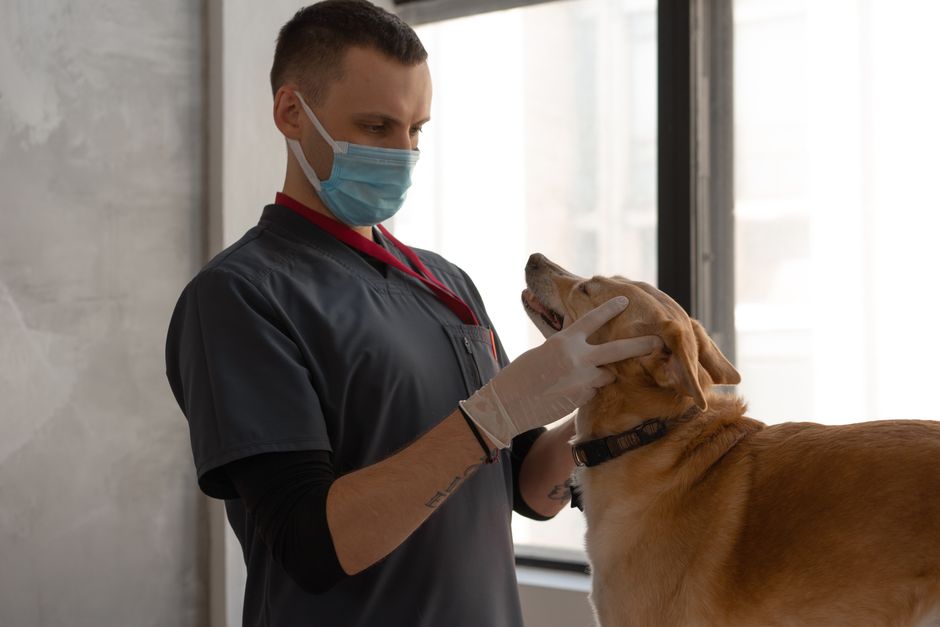
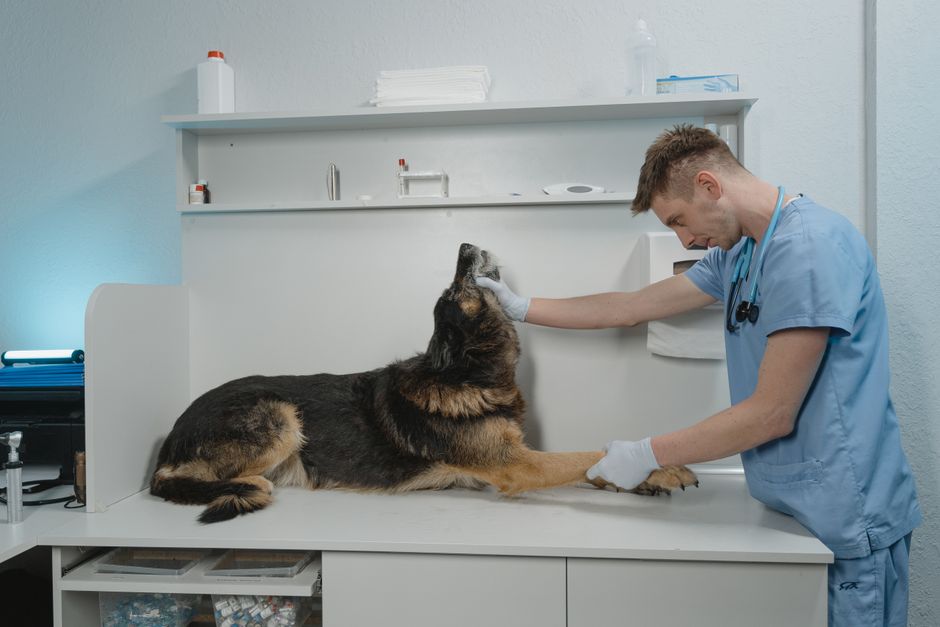
At each senior wellness visit, your vet should be doing more than a quick listen-and-look. Expect a complete blood count, a chemistry panel checking kidney and liver values, a urinalysis, a thyroid screen (especially in dogs over 8), blood pressure measurement, and a thorough orthopedic and neurological assessment. If your vet isn’t doing most of this at senior visits, it’s worth asking why, or finding a practice that does.
A few things to bring to your vet’s attention proactively:
- Changes in water intake (up or down)
- Any new lumps or bumps, even small ones
- Shifts in sleep patterns or nighttime restlessness
- Changes in stool consistency or frequency
- Any sign of confusion, staring at walls, or getting “stuck” in corners
That last cluster of symptoms can signal canine cognitive dysfunction, a condition similar to Alzheimer’s in humans. It’s underdiagnosed partly because owners assume confusion is just “being old.” It’s not inevitable, and there are real treatment options.
For more context on what a thorough wellness exam covers, this breakdown of what to expect at your cat’s annual vet visit parallels what a senior dog exam should include, and can help you ask better questions.
Nutrition for Senior Dogs: Rethinking What Goes in the Bowl
How to Keep Your Senior Dog Healthy: Top 7 Tips for Happy Aging Pets · Veterinary Secrets on YouTube
Senior dog food marketing is loud and often misleading. “Senior formula” on a bag doesn’t automatically mean it’s right for your dog. Some senior dogs need fewer calories because their metabolism has slowed. Others, particularly those losing muscle mass, actually need more high-quality protein than a standard senior formula provides.
Protein is the big one. Older research suggested restricting protein in senior dogs to protect kidney function. That’s been largely revised. Healthy senior dogs without existing kidney disease generally benefit from high-quality, highly digestible protein sources, not less protein. If your dog does have compromised kidney function, that’s a different conversation, one to have directly with your vet based on bloodwork.
Practical nutrition priorities for most senior dogs:
- Protein quality over quantity. Named meat sources (chicken, salmon, beef) as the first ingredient, not “meat meal” or “by-product meal” as the sole protein.
- Joint-supporting nutrients. Look for glucosamine and chondroitin in the ingredient list. Many senior formulas include these; the amounts vary widely.
- Appropriate caloric density. Obesity is a genuine health crisis in older dogs, accelerating joint degeneration, increasing cardiac strain, and shortening lifespans. You can read more about those risks in this article on cat obesity health risks, and while it’s written for cats, the physiological parallels are direct.
- Omega-3 fatty acids. EPA and DHA from fish oil have solid evidence behind them for both joint and cognitive support. Your vet can recommend an appropriate dose based on your dog’s weight.
On the topic of dental health: this matters more than most owners realize. Periodontal disease is nearly universal in dogs over 8, and the bacteria involved don’t stay in the mouth. There’s a well-documented link between severe dental disease and heart, kidney, and liver damage. The comprehensive dog dental health guide on this site is worth a thorough read. Regular dental cleanings, home brushing, and quality dental chews aren’t cosmetic care. They’re medical care.
Veterinary-grade dental chews and joint supplements are available on Amazon if you’re looking for day-to-day support between vet visits. The site may earn a commission on purchases, but always check with your vet before starting any new supplement, especially if your dog is on medications.
Mobility, Pain, and the Signals Most Owners Miss
Arthritis affects an estimated 80% of dogs over age 8. That number sounds almost too high until you understand that dogs are experts at hiding pain. Evolutionary biology explains it: showing weakness in the wild is dangerous. So a dog with moderate joint pain may simply slow down, sleep more, and stop jumping on the couch. Owners often read this as “getting old.” Veterinarians read it as a pain management problem.
Watch for these specific signs:
- Reluctance to use stairs or hesitation before jumping
- Stiffness for the first 5 to 10 minutes after rising
- Licking or chewing at specific joints
- A subtle shift in gait, favoring one limb
- Behavioral changes like increased irritability or withdrawal
If your dog has started limping or you’ve noticed any of these patterns, the article on dog limping causes and treatment covers the diagnostic process clearly. Don’t assume it’s “just arthritis” without a proper workup. A dog limping on a back leg might have a cruciate ligament issue, a spinal problem, or a bone tumor, all of which require different responses.
Pain management options for arthritic senior dogs have improved significantly. NSAIDs prescribed by your vet remain the gold standard for moderate to severe arthritis. Gabapentin is commonly added for nerve pain. Adequan (polysulfated glycosaminoglycan) given by injection has good evidence behind it for slowing cartilage breakdown. Laser therapy, hydrotherapy, and acupuncture have real data supporting their use as adjuncts, not just “alternative medicine” sidelines.
At home, the practical adjustments matter more than most people realize. Orthopedic memory foam beds reduce joint pressure during sleep. Ramps or pet stairs prevent the repetitive impact of jumping. Non-slip rugs on hardwood or tile floors give arthritic dogs confidence and reduce falls. Raised food and water bowls take strain off the neck and shoulders for large dogs.
Orthopedic dog beds and joint support supplements are widely available on Amazon, and the quality variance is significant. Look for beds with at least 4 inches of memory foam and a washable cover. As always, consult your vet about which joint supplements are appropriate for your specific dog.
Mental Health, Enrichment, and Why Boredom Hurts Senior Dogs
A dog’s brain needs exercise just as much as his body, and in senior dogs, mental stimulation may actually be more critical. Cognitive decline in dogs follows patterns similar to human dementia: disorientation, disrupted sleep-wake cycles, changes in social interaction, and loss of previously learned behaviors. PetMD’s veterinary resource library covers canine cognitive dysfunction in detail, including how it’s diagnosed and the current treatment landscape.
The encouraging news is that mental enrichment genuinely protects against decline. Studies in dogs mirror what we see in humans: brains that stay active show slower cognitive decline. This doesn’t mean exhausting your arthritic 12-year-old with agility training. It means puzzle feeders instead of a bowl, short training sessions using positive reinforcement, sniff walks where the dog leads and sniffs freely, and social time with familiar people and dogs.
Puzzle feeders are particularly underused in senior dogs. Spreading meals across a snuffle mat or a slow feeder engages the nose and brain simultaneously, takes about two minutes to set up, and costs almost nothing in effort. Puzzle feeders and snuffle mats on Amazon range from very simple to genuinely challenging. Start easy and work up. The site may earn a small commission, but honestly, a $15 snuffle mat is one of the highest-value things you can buy for an aging dog’s quality of life.
Practical Senior Dog Care: A Month-by-Month Checklist
This isn’t a rigid schedule. It’s a framework you adapt based on your dog’s specific health conditions.
| Frequency | Task |
|---|---|
| Daily | Monitor food and water intake, observe gait and energy level, check for new lumps during petting |
| Weekly | Inspect paws, ears, eyes, and mouth; brush teeth or use dental wipe; note any behavioral shifts |
| Monthly | Weigh your dog at home or at the vet; check bedding and sleeping spots for signs of pain (circling, trouble settling); assess coat and skin condition |
| Every 6 months | Full senior wellness exam with bloodwork, urinalysis, blood pressure, and thyroid screen |
| Annually | Review all medications and supplements with your vet; update vaccines based on lifestyle risk (not automatically); dental cleaning under anesthesia as recommended |
The weight check deserves special attention. A 10-pound weight loss in a 70-pound Labrador is a 14% body weight drop. That’s significant. Weigh your senior dog monthly and write it down. Trends matter far more than single data points.
The dogs who age most gracefully aren’t necessarily the ones with the best genetics or the most expensive care. They’re the ones whose owners noticed the small changes, asked good questions, and adjusted thoughtfully without waiting for a crisis. Your job isn’t to reverse aging. It’s to make sure your dog’s later years are genuinely good ones, full of comfort, engagement, and the kind of quiet daily joy that old dogs do better than anyone.
This article is for general informational purposes only and does not constitute veterinary advice. Pet health symptoms can have many causes and require professional evaluation. Always consult a licensed veterinarian for diagnosis and treatment specific to your pet.
Sources
- Midwest Homes Folding Metal Dog Crate
- AAHA hospital accreditation standards
- Veterinary-grade dental chews and joint supplements are available on Amazon
- Orthopedic dog beds and joint support supplements are widely available on Amazon
- PetMD’s veterinary resource library
Disclosure: As an Amazon Associate, we earn a small commission from qualifying purchases at no extra cost to you. We only recommend products that genuinely support the topics covered in this article.
- EVERLIT 95-Piece Vet-Approved Pet First Aid Kit (~$32), Vet-approved 95-piece kit for dogs and cats, covers cuts, burns, sprains, and emergencies until you can reach a vet.
- Nutramax Cosequin DS Joint Supplement for Dogs (132ct) (~$36), The #1 veterinarian-recommended joint supplement brand, clinically studied for reducing joint pain in dogs.
- Nutramax Cosequin Senior Dog Soft Chews (60ct) (~$32), Senior-specific Cosequin formula with added Omega-3s, designed for aging dogs with joint and immune health needs.
Recommended Resources
Disclosure: As an Amazon Associate, we earn a small commission from qualifying purchases at no extra cost to you. We only recommend products that genuinely support the topics covered in this article.
- EVERLIT 95-Piece Vet-Approved Pet First Aid Kit (~$32), Vet-approved 95-piece kit for dogs and cats, covers cuts, burns, sprains, and emergencies until you can reach a vet.
- Nutramax Cosequin DS Joint Supplement for Dogs (132ct) (~$36), The #1 veterinarian-recommended joint supplement brand, clinically studied for reducing joint pain in dogs.
- Nutramax Cosequin Senior Dog Soft Chews (60ct) (~$32), Senior-specific Cosequin formula with added Omega-3s, designed for aging dogs with joint and immune health needs.