 Dr. Amanda Foster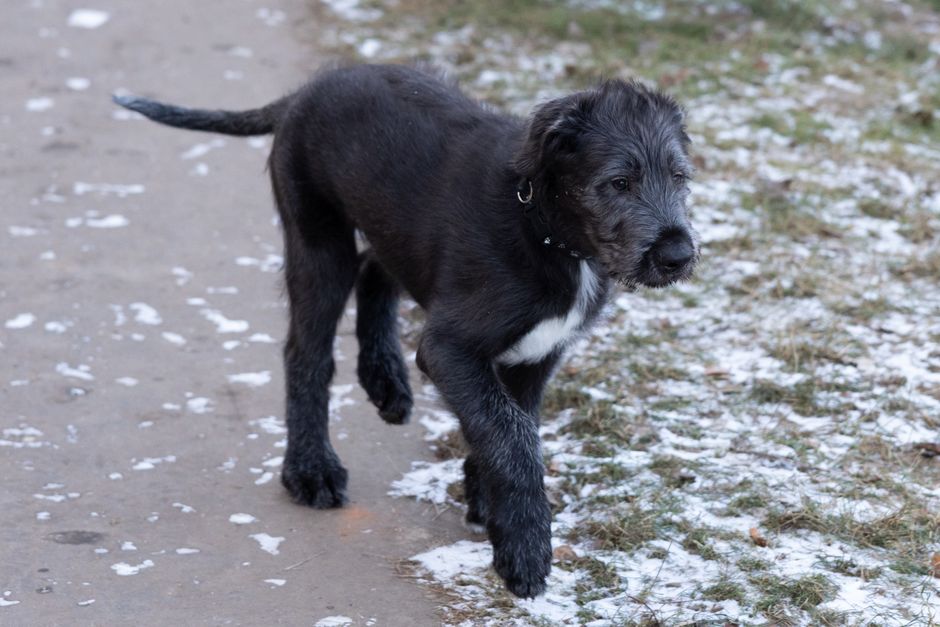
Your golden retriever puppy is 6 months old, running circles in the backyard one minute, and the next he’s sitting down mid-play with a weird little grunt you’ve never heard before. You figure he’s just tired. A month later you notice he’s started doing this bunny-hop thing when he runs, both back legs pushing off together instead of alternating. Your gut says something’s off. You’re right.
That bunny hop is one of the most consistent early signs of hip dysplasia I’ve seen in 13 years of clinic work, and I’d estimate half the owners who come in have been watching it for weeks before they say anything, assuming it’s a puppy thing that’ll resolve on its own. Sometimes it does. Usually it doesn’t.
Hip dysplasia is a developmental condition where the ball-and-socket joint of the hip forms improperly, causing varying degrees of looseness, grinding, and eventually arthritis. It’s genetic, but nutrition, growth rate, and exercise during puppyhood all influence how severely it expresses. Large and giant breeds get hit hardest: Labrador retrievers, German shepherds, golden retrievers, Rottweilers, Great Danes, Saint Bernards. If your puppy is one of these breeds, this is worth knowing in detail.
What the Early Signs Actually Look Like
Here’s what most people don’t realize: hip dysplasia in puppies doesn’t usually look like obvious pain. Not at first. It looks like awkwardness, subtle reluctance, or mild behavioral changes. By the time a puppy is openly limping or crying when they move, the condition’s been progressing for a while.
Watch specifically for:
- The bunny hop gait I mentioned. When a dog uses both rear legs simultaneously rather than in an alternating pattern, the hips are often compensating for joint instability.
- Reluctance to climb stairs, jump into the car, or hop up on a couch they used to launch onto without thinking twice.
- A swaying or “rolling” walk when viewed from behind. The hindquarters drift slightly side to side rather than tracking straight.
- Stiffness after rest, especially in the morning or after napping. The puppy gets up slowly, takes a few steps that look stiff, then loosens up. Easy to dismiss as “cold muscles” but worth noting how often it happens.
- Sitting in an unusual position, with one or both back legs flopped out to the side rather than tucked under (sometimes called “lazy sitting” or “sloppy sit”).
One thing I always ask clients: does your puppy seem less excited to exercise than they used to be? Not just occasionally, but as a pattern? A 5-month-old Lab who starts a walk enthusiastically and then slows dramatically within 10-15 minutes, wanting to turn back, is worth a closer look.
The Age Window That Matters Most
Puppies are typically screened and symptoms become most noticeable between 4 and 12 months of age, though some dogs don’t show clear signs until they’re 1-2 years old. The tricky part is that juvenile dogs often go through a “silent” phase where the joint is genuinely loose but not yet causing enough inflammation for the dog to show obvious discomfort. This is why the gait observations above matter so much. You’re catching something before it becomes painful.
I’ve seen puppies diagnosed at 5 months who were completely sound on clinical exam but had obvious radiographic changes. The X-ray told a story the dog wasn’t yet telling us. This is actually the ideal time to know, because interventions available before the growth plates close (typically around 12-18 months in large breeds) are meaningfully different from what’s available after.
If your vet finds hip laxity early, surgical options like juvenile pubic symphysiodesis (JPS) or triple pelvic osteotomy (TPO) may still be on the table. After skeletal maturity, you’re generally looking at either a total hip replacement or long-term pain management. Earlier information genuinely changes outcomes.
How Your Vet Will Confirm It
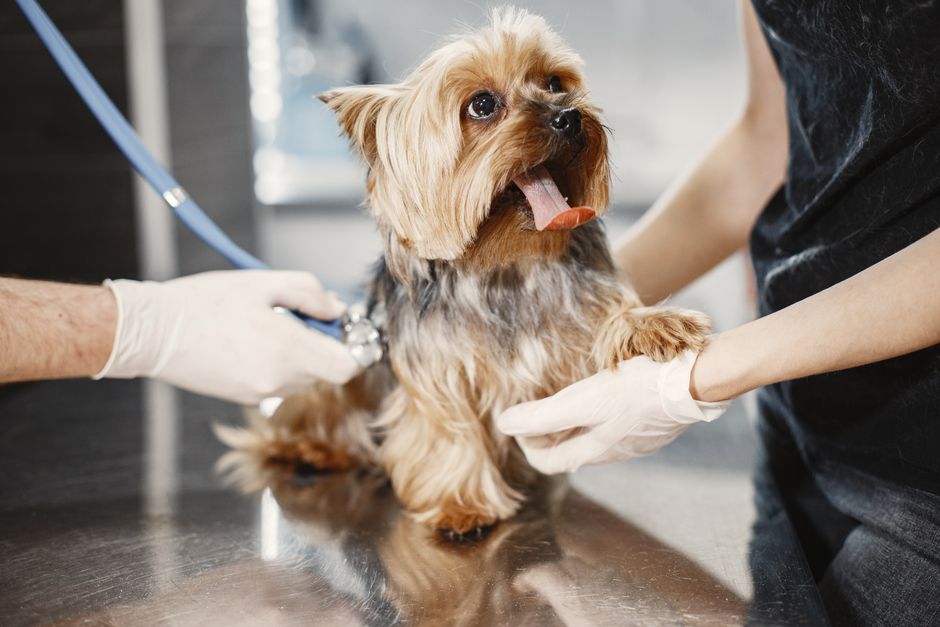
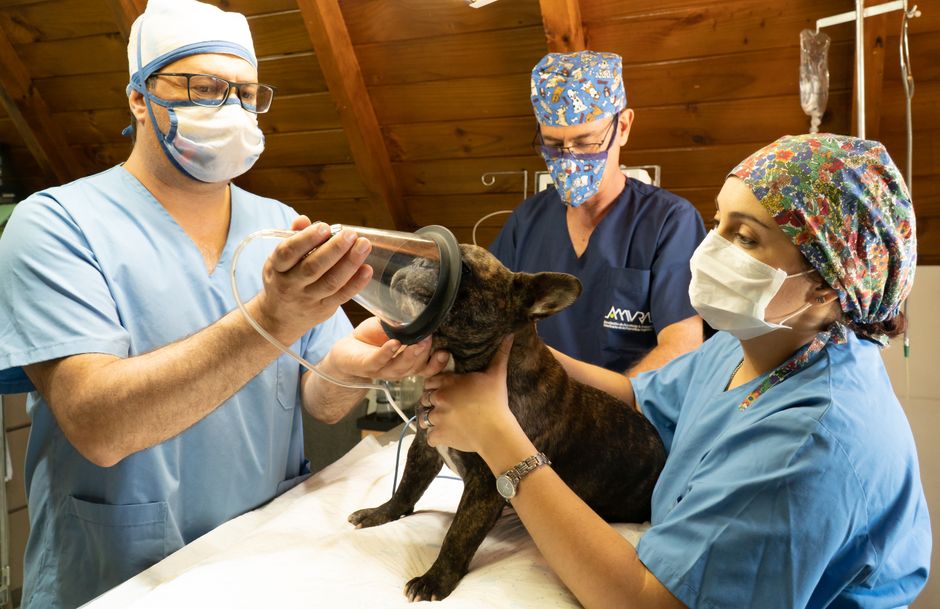
Your regular vet can do a preliminary assessment by manipulating the hip joints during a physical exam, feeling for laxity, crepitus (that grinding sensation), and watching how the puppy reacts. Two specific maneuvers, the Ortolani sign and Barlow test, check for the characteristic “clunking” of a loose hip joint.
Radiographs are the definitive next step. Standard hip X-rays can be taken by your regular vet without sedation in many cases, though sedation helps with positioning in squirmy puppies. For more precise evaluation, a technique called PennHIP requires a certified veterinarian to perform, but it can be done as early as 16 weeks and is considered by many specialists to be more accurate for predicting future arthritis risk than standard OFA (Orthopedic Foundation for Animals) positioning. Worth asking about if you’re in a medium-to-high-risk breed.
Managing Life With a Hip Dysplasia Diagnosis
A diagnosis isn’t a death sentence, and it doesn’t automatically mean surgery. Plenty of dogs with mild-to-moderate hip dysplasia live comfortable lives with conservative management. That said, “conservative management” isn’t just doing nothing.
Weight is probably the single biggest lever you have. Even modest excess weight dramatically increases the load on compromised joints, so keeping a dysplastic puppy lean is not optional. You should be able to feel ribs easily on an appropriately conditioned dog, without pressing hard.
Controlled low-impact exercise (leash walks, swimming) maintains muscle mass that supports the joint without the concussive stress of running on hard surfaces or repetitive fetch. I usually tell clients to think of the muscle around the hip as a living brace. More muscle, more stability.
Joint supplements like omega-3 fatty acids and glucosamine/chondroitin have mixed research behind them, and I’ll be honest about that. The evidence for omega-3s (specifically EPA and DHA from fish oil) is more solid for reducing inflammation than the evidence for glucosamine. Zesty Paws makes a solid fish oil soft chew that’s easy to give to puppies, and PetMD’s veterinary resource library has a good breakdown of the supplement evidence if you want to read further.
Anti-inflammatory medications, prescription-grade like meloxicam or carprofen, are often used in flare periods or for ongoing pain management. These require a vet prescription and periodic bloodwork to monitor liver and kidney values. Do not reach for human NSAIDs like ibuprofen or naproxen. They’re toxic to dogs. The ASPCA Poison Control Center fields hundreds of calls about this every year.
For a puppy who’s going to manage this long-term, an orthopedic dog bed makes a real difference. Memory foam, firm support, ideally with a low entry so they’re not having to step up. This kind of supportive orthopedic bed is one of the lower-cost things that genuinely helps day-to-day comfort.
Sources
- EVERLIT 95-Piece Vet-Approved Pet First Aid Kit
- Nutramax Cosequin DS Joint Supplement for Dogs (132ct)
- Josef Holub
- early as 16 weeks and is considered by many specialists to be more accurate for predicting future arthritis risk than standard OFA (Orthopedic
- behind them
Disclosure: As an Amazon Associate, we earn a small commission from qualifying purchases at no extra cost to you. We only recommend products that genuinely support the topics covered in this article.
- EVERLIT 95-Piece Vet-Approved Pet First Aid Kit (~$32), Vet-approved 95-piece kit for dogs and cats, covers cuts, burns, sprains, and emergencies until you can reach a vet.
- Nutramax Cosequin DS Joint Supplement for Dogs (132ct) (~$36), The #1 veterinarian-recommended joint supplement brand, clinically studied for reducing joint pain in dogs.
Photo: Josef Holub via Pexels
This article is for general informational purposes only and does not constitute veterinary advice. Pet health symptoms can have many causes and require professional evaluation. Always consult a licensed veterinarian for diagnosis and treatment specific to your pet.
Recommended Resources
Disclosure: As an Amazon Associate, we earn a small commission from qualifying purchases at no extra cost to you. We only recommend products that genuinely support the topics covered in this article.
- EVERLIT 95-Piece Vet-Approved Pet First Aid Kit (~$32), Vet-approved 95-piece kit for dogs and cats, covers cuts, burns, sprains, and emergencies until you can reach a vet.
- Nutramax Cosequin DS Joint Supplement for Dogs (132ct) (~$36), The #1 veterinarian-recommended joint supplement brand, clinically studied for reducing joint pain in dogs.