 Dr. Amanda Foster
Your Chihuahua’s breath just knocked you back a step. You leaned in to give her a good-morning scratch and got hit with something that smelled like a fishing trawler. And your vet mentioned at the last visit, kind of casually, the way vets sometimes deliver genuinely alarming news, that she’s “showing early signs of periodontal disease.” She’s four years old.
This is one of the most common things I see in small breed dogs, and honestly, one of the most preventable. I’ve watched owners spend $1,200 to $2,500 on a single dental cleaning and extraction procedure that, in a lot of cases, could have been delayed for years with consistent home care. The frustrating part is that nobody really explains why small dogs are so much more prone to dental disease, or what home care actually has to look like for a 6-pound Yorkie versus a 60-pound Lab.
So let me actually explain it.
Why Small Breeds Have It Worse
| Aspect | Small Breeds | Large Breeds |
|---|---|---|
| Number of adult teeth | 42 | 42 |
| Jaw size | Dramatically shorter | Longer |
| Tooth spacing | Crowded, rotated, overlapping | More spaced |
| Tartar formation timeline | 48-72 hours | 48-72 hours |
| Lifespan | Longer | Shorter |
| Typical food type | Soft foods, small kibble | Large crunchy kibble |
| Mechanical tooth abrasion from diet | Minimal to none | Some friction from kibble |
| Professional cleaning frequency (with good home care) | Every 1-2 years (typical) | Less frequent |
| Typical professional cleaning cost | $1,200-$2,500 per procedure | Variable |
It comes down to a crowding problem. Small and toy breeds have the same number of adult teeth as large dogs: 42. But their jaws are dramatically shorter. Those 42 teeth end up crammed together, rotated, and overlapping in ways that create perfect little pockets for bacteria to settle into. Plaque accumulates in the tight spaces between teeth, hardens into tartar within 48 to 72 hours (yes, that fast), and once tartar forms below the gumline, you can’t brush it away. That’s when periodontal disease starts doing real damage to the bone and tissue holding the teeth in place.
Small breeds also tend to live longer than large breeds, which sounds like a good thing (it is), but it means more years for dental disease to progress if you’re not staying on top of it. A 14-year-old Maltese who’s had unchecked dental disease for a decade may lose most of her teeth and could have bacteria entering her bloodstream that affects her heart and kidneys. The American Veterinary Medical Association (AVMA) has been clear that periodontal disease is the most common clinical condition in dogs over three years old, and small breeds hit that threshold harder and earlier than their larger counterparts.
There’s also a diet factor most people don’t think about. Small breed dogs are often fed soft foods or small kibble that doesn’t provide any mechanical abrasion against the tooth surface. Large dogs eating a big crunchy kibble get at least a little friction to slow plaque buildup. A tiny dog eating wet food or mushy toppers gets essentially nothing.
What Home Care Actually Looks Like
Helpful resource: FRONTLINE Plus Flea and Tick Treatment for Dogs is a top-rated option for this. (As an Amazon Associate this site earns from qualifying purchases.)
Here’s my genuinely unpopular opinion: daily toothbrushing is the only home care method that makes a meaningful clinical difference, and everything else is supplemental at best. I know that’s not what people want to hear. Dental chews are more fun to buy. Water additives feel effortless. But the research backs up brushing, and nothing else comes close.
That said, I completely understand why people don’t do it. I’ve had clients with six-pound Chihuahuas who act like a toothbrush is a medieval weapon. Getting there takes a few weeks of conditioning, not a battle.
Here’s how to actually do it:
Start with your finger. For a week, just rub your finger along your dog’s gum line after a meal. Don’t go to the back teeth yet. Make it a positive thing, treat after, calm voice. Once they accept that without fussing, wrap your finger in a small piece of gauze and do the same thing for another week.
Then introduce the brush. A finger toothbrush (the kind that slips over your fingertip) works better for small breeds than a long-handled brush in most cases because you have more control in a tiny mouth. Use a dog-specific toothpaste. Pet-safe toothpastes are formulated without fluoride and come in flavors like chicken or peanut butter that your dog will actually accept, and some actively contain enzymes that help break down plaque. Never use human toothpaste. The xylitol in some formulations is toxic to dogs.
You only need to brush the outer surfaces. That’s where the worst tartar accumulates. The tongue does enough work on the inner surfaces. Thirty seconds per side, focusing on the back molars where you’ll see the most buildup, every day.
I’d pair this with a quality enzymatic dental chew (the site may earn a commission on that link) as a supplement, not a replacement. The Veterinary Oral Health Council (VOHA) has a seal of acceptance for products that have actual evidence behind them. Look for that seal. Most of the “dental” treats in the grocery store checkout lane haven’t earned it.
The Professional Cleaning Question
A lot of owners, especially those who’ve done consistent home care, ask whether their dog actually needs professional cleanings. Short answer: almost certainly yes, just maybe less often.
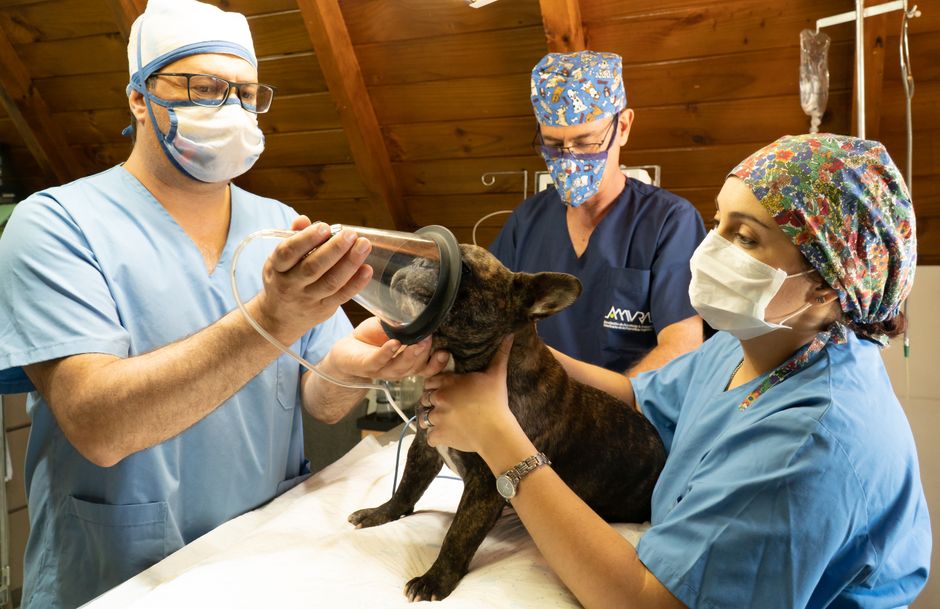
Here’s the thing. Even with daily brushing, tartar eventually accumulates below the gumline in spots you can’t reach. A professional cleaning under anesthesia is the only way to get it. The “anesthesia-free dental cleaning” services you see at some groomers and pet boutiques are, in my professional opinion, not a substitute and potentially misleading. They can scrape the visible surface of the tooth and make it look better, but they can’t get below the gumline where the actual disease lives, and they stress the dog out significantly without the diagnostic component a vet provides. PetMD’s veterinary resource library echoes this, noting that a proper dental exam requires probing each tooth and taking dental X-rays, neither of which can be done without anesthesia.
For a small breed with good home care, your vet might recommend a professional cleaning every one to two years. Without any home care, you might be looking at yearly. And yes, the cost is real. Anesthetic dental procedures for dogs typically range widely depending on your region, your vet’s pricing structure, and whether extractions are involved. It’s worth asking your vet to walk you through their pricing upfront so you’re not blindsided.
Reading Your Dog’s Mouth
You don’t need to be a vet to catch the early warning signs. You need to look.
Bad breath is the thing everyone notices first, but it’s actually a later sign. Healthy dog breath isn’t minty, but it shouldn’t be offensive either. If it’s making you recoil, there’s significant bacteria load in the mouth. Red or swollen gums along the gumline, especially around the back teeth, are an earlier indicator. Pawing at the face, dropping food, chewing only on one side, or refusing food entirely can signal tooth pain. Loose teeth in an adult dog are never normal and need same-week vet attention.
Small breeds sometimes lose teeth so gradually that owners don’t notice until there’s a gaping gap. I’ve had owners come in thinking their dog “just lost a tooth” when the tooth had actually been mobile for months and the surrounding bone was significantly compromised.
If your small dog is middle-aged and has never had a professional dental cleaning, I’d genuinely encourage you to ask your vet to do a thorough oral exam at the next visit, not just a quick look. There’s a good chance something is already brewing that you can’t see from the outside. The good news is that dogs respond well once the problem is addressed, and most bounce back from even significant dental disease. You just have to catch it, and then stay on it.
This article is for general informational purposes only and does not constitute veterinary advice. Pet health symptoms can have many causes and require professional evaluation. Always consult a licensed veterinarian for diagnosis and treatment specific to your pet.
Sources
- American Veterinary Medical Association (AVMA)
- FRONTLINE Plus Flea and Tick Treatment for Dogs
- quality enzymatic dental chew
- PetMD’s veterinary resource library
- Midwest Homes Folding Metal Dog Crate
Disclosure: As an Amazon Associate, we earn a small commission from qualifying purchases at no extra cost to you. We only recommend products that genuinely support the topics covered in this article.
- EVERLIT 95-Piece Vet-Approved Pet First Aid Kit (~$32), Vet-approved 95-piece kit for dogs and cats, covers cuts, burns, sprains, and emergencies until you can reach a vet.
- Nutramax Cosequin DS Joint Supplement for Dogs (132ct) (~$36), The #1 veterinarian-recommended joint supplement brand, clinically studied for reducing joint pain in dogs.
- Purina Pro Plan FortiFlora Probiotic for Dogs (30ct) (~$32), The #1 vet-recommended probiotic for dogs, prescribed to manage diarrhea, vomiting, and intestinal upset.
Recommended Resources
Disclosure: As an Amazon Associate, we earn a small commission from qualifying purchases at no extra cost to you. We only recommend products that genuinely support the topics covered in this article.
- EVERLIT 95-Piece Vet-Approved Pet First Aid Kit (~$32), Vet-approved 95-piece kit for dogs and cats, covers cuts, burns, sprains, and emergencies until you can reach a vet.
- Nutramax Cosequin DS Joint Supplement for Dogs (132ct) (~$36), The #1 veterinarian-recommended joint supplement brand, clinically studied for reducing joint pain in dogs.
- Purina Pro Plan FortiFlora Probiotic for Dogs (30ct) (~$32), The #1 vet-recommended probiotic for dogs, prescribed to manage diarrhea, vomiting, and intestinal upset.