 Dr. Amanda Foster
Most people already know spaying and neutering “is good.” What they don’t know is why it’s good in ways that go beyond population control talking points, which specific risks it eliminates versus which ones it merely reduces, and how age and breed factor into timing in ways that can genuinely affect your individual dog or cat. The blanket “fix your pet at six months” advice has been quietly revised by veterinary science over the last decade, and if your vet hasn’t mentioned that, you deserve to know.
What Spaying and Neutering Actually Do to the Body
Let’s be precise about the procedures, because understanding the biology makes everything else make sense.
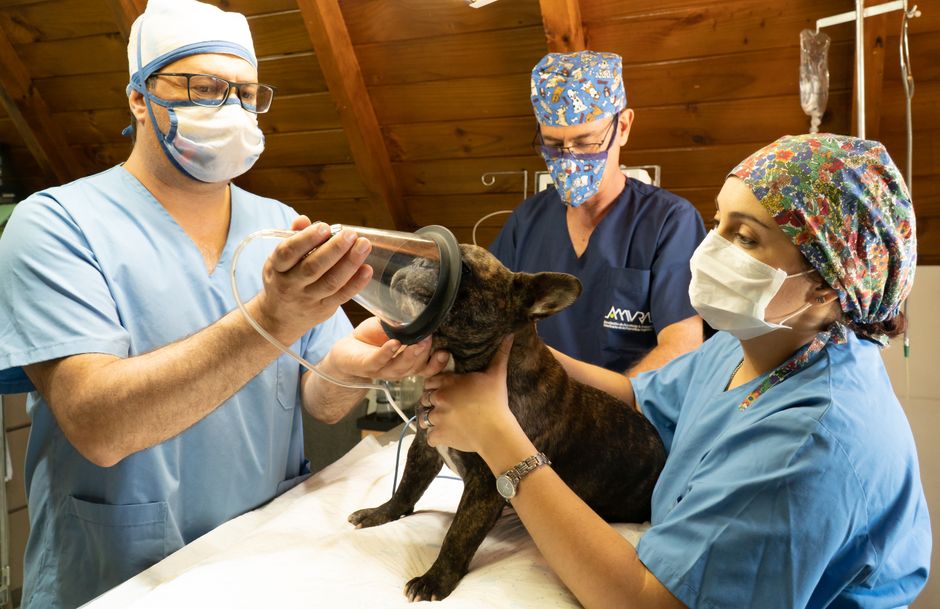
Spaying (ovariohysterectomy) removes the uterus and both ovaries. This eliminates all estrogen and progesterone production from those organs, along with every reproductive cycle that follows. Some surgeons now perform ovary-sparing spays, which remove only the uterus, but that’s a separate conversation worth having with a veterinary surgeon if you’re interested.
Neutering (orchiectomy) removes both testicles, dropping testosterone to near zero within weeks. The procedure is faster and less invasive than a spay, generally carries lower surgical risk, and has a shorter recovery.
Both procedures eliminate the animals’ ability to reproduce, which matters for population reasons. But the medical effects on the individual animal are what most articles skip over in favor of shelter statistics.
The Genuine Health Benefits, Ranked by Strength of Evidence
Some benefits are near-certain. Others are real but probabilistic. Here’s how they actually stack up.
Essentially guaranteed benefits:
Spayed females have zero risk of pyometra, a life-threatening uterine infection that affects roughly 25% of intact females by age 10. I’ve seen clients lose dogs to this because they didn’t recognize the signs until it was too late, and surgery on a septic, crashing animal is nothing like an elective spay. Spayed females also have zero risk of ovarian or uterine cancer, which doesn’t require further explanation.
Neutered males have zero risk of testicular cancer. That sounds obvious, but testicular cancer is actually one of the more common cancers in intact older male dogs, so eliminating it entirely is meaningful.
Strongly reduced risks:
Spaying before the first or second heat cycle dramatically reduces mammary tumor risk in dogs. Spayed before first heat: roughly 0.5% risk. After first heat: 8% risk. After second heat: 26% risk. Those numbers come from studies that have been consistent for decades. In cats, the protective effect of early spaying on mammary tumors is even more pronounced, since feline mammary tumors are malignant approximately 85-90% of the time.
Neutered male cats rarely, if ever, develop the spraying behavior that makes intact male cats almost impossible to live with indoors. Neutering before this behavior is established (before 6 months in most cats) prevents it. After it’s a learned habit, success rates drop.
Behavior improvements that aren’t guaranteed but are common:
Roaming, mounting, and aggression driven by reproductive hormones often decrease after neutering. “Often” is doing a lot of work in that sentence. Neutering is not a fix for all aggression, and any vet who tells you otherwise is oversimplifying. Fear-based aggression, learned aggression, and resource guarding are not reproductive behaviors and won’t improve with neutering. But testosterone-fueled reactivity and dominance-related behaviors frequently do soften.
The Timing Question That Actually Matters
Here’s where the conversation has genuinely evolved, and where the old “six months for everything” rule falls apart.
Large and giant breed dogs, specifically those expected to reach over 45 pounds at maturity, appear to have a higher risk of certain orthopedic conditions (cruciate ligament rupture, hip dysplasia) and some cancers (osteosarcoma, hemangiosarcoma) when altered before growth plates close. Growth plates close later in large breeds, often between 12 and 18 months. The sex hormones play a role in how muscle and connective tissue develop around those joints. Remove them too early, and you may be trading one set of risks for another.
This doesn’t mean don’t spay or neuter your German Shepherd or Rottweiler. It means the timing deserves a real conversation with your vet, not a default scheduling at 6 months because that’s what the reminder card says. Studies from UC Davis, which have been widely covered in veterinary literature and referenced on resources like PetMD’s veterinary resource library, have pushed this issue into the mainstream veterinary conversation.
For small breed dogs and most cats, the traditional timeline holds up well. Small dogs reach skeletal maturity earlier, and the orthopedic risk calculus is different. Cats altered around 4-6 months have excellent outcomes with minimal evidence of the hormone-related development concerns seen in large dogs.
The bottom line: ask your vet specifically about your dog’s expected adult weight and breed, and ask whether the practice has updated its timing recommendations based on current literature.
Comparing Spay/Neuter Timing Options: A Practical Breakdown
| Age at Procedure | Best For | Watch Out For |
|---|---|---|
| 4-6 months (cats) | All cats; strong mammary tumor prevention | Ensure vet confirms minimum body weight |
| 6 months (small dogs under 45 lbs) | Toy, small, and many medium breeds | Standard risk profile; generally well-supported |
| 9-12 months (medium-large dogs) | Breeds like Labs, Goldens, Border Collies | Discuss individual risk with your vet |
| 12-18+ months (large/giant breeds) | Breeds like Great Danes, Rotties, Mastiffs | Manage intact males carefully during wait period |
| After first heat (females) | Individual risk decisions | Mammary tumor protection partially reduced |
| Age at Procedure | Best For | Watch Out For |
|---|---|---|
| 4-6 months (cats) | All cats; strong mammary tumor prevention | Ensure vet confirms minimum body weight |
| 6 months (small dogs under 45 lbs) | Toy, small, and many medium breeds | Standard risk profile; generally well-supported |
| 9-12 months (medium-large dogs) | Breeds like Labs, Goldens, Border Collies | Discuss individual risk with your vet |
| 12-18+ months (large/giant breeds) | Breeds like Great Danes, Rotties, Mastiffs | Manage intact males carefully during wait period |
| After first heat (females) | Individual risk decisions | Mammary tumor protection partially reduced |
These aren’t rigid cutoffs. They’re conversation starters. Your vet’s recommendation should account for your individual animal, your living situation, and your ability to manage an intact pet safely during any waiting period.
What the Recovery Period Actually Looks Like
Most articles wave at “keep them calm for a few days” and move on. That’s not useful.
Cats typically bounce back fast. Most are eating normally within 24 hours and annoyed about their cone by day two. Restrict jumping for 7-10 days. The incision site is small, and complications are uncommon in otherwise healthy cats.
Female dogs have a more significant abdominal surgery and need real restriction for 10-14 days. No running, no jumping, no rough play, no stairs if you can avoid it. The internal sutures take time to heal even when the skin looks fine on the outside. I’ve seen owners let their dog race around the yard on day five because “she seems totally fine,” then end up back at the vet with a complication. Don’t do that.
Male dogs recover faster than females, usually 5-7 days of restricted activity.
Signs that need same-day attention: excessive swelling, discharge from the incision (other than minimal clear fluid), the dog or cat chewing through sutures and opening the incision, pale gums, extreme lethargy, or loss of appetite lasting more than 48 hours post-surgery.
A properly fitted Elizabethan collar is non-negotiable for the first 7-10 days. The inflatable donuts some people prefer are fine for large dogs who aren’t flexible enough to work around them, but a determined cat or small dog will absolutely reach an incision through an inflatable collar. The AAHA hospital accreditation standards include guidance on post-operative care protocols, and a good practice will send you home with written instructions, an emergency contact, and a clear list of warning signs.
Having a proper recovery setup before surgery day matters. A good pet first aid kit with saline wound wash and gauze is useful for monitoring the incision without touching it. You shouldn’t be treating the wound at home, but being able to look at it clearly makes it easier to decide whether something is normal or worth a call.
The Honest Counterarguments
Spay and neuter advocacy sometimes glosses over legitimate concerns, and that does pet owners a disservice.
There is real evidence, particularly in large breeds, that early alteration increases risk of certain joint problems and some cancers. This isn’t anti-science fringe opinion. It’s peer-reviewed research that has changed how many veterinary practices approach timing recommendations.
Spaying increases risk of urinary incontinence in female dogs, often referred to as spay incontinence or hormone-responsive incontinence. Estimates vary, but some studies suggest it affects 5-20% of spayed females, with larger breeds at higher risk. It’s manageable with medication in most cases, but it’s a real trade-off worth knowing about.
Neutered dogs have a higher incidence of hypothyroidism and obesity compared to intact males. Both are manageable, but “manageable” means you’re managing something. Hypothyroidism requires daily medication. Obesity requires consistent feeding discipline and regular exercise, which is harder with a dog who’s hormonally inclined to gain weight.
Acknowledging these things doesn’t argue against spaying and neutering. For most pets in most situations, the benefits still outweigh the risks substantially. But knowing the full picture helps you make an informed decision and watch for the right things after surgery.
The decision to spay or neuter your pet is almost always the right one, but the timing and specifics deserve more than a default appointment. Push your vet for the individualized conversation your animal deserves, ask about current research on large breed timing if it applies, and go into surgery day knowing exactly what recovery looks like and what would send you back in. That’s how you get the full benefit and avoid the avoidable complications.
Sources
- PetMD’s veterinary resource library
- AAHA hospital accreditation standards
- EVERLIT 95-Piece Vet-Approved Pet First Aid Kit
- Nutramax Cosequin DS Joint Supplement for Dogs (132ct)
- JacLou- DL
Disclosure: As an Amazon Associate, we earn a small commission from qualifying purchases at no extra cost to you. We only recommend products that genuinely support the topics covered in this article.
- EVERLIT 95-Piece Vet-Approved Pet First Aid Kit (~$32), Vet-approved 95-piece kit for dogs and cats, covers cuts, burns, sprains, and emergencies until you can reach a vet.
- Nutramax Cosequin DS Joint Supplement for Dogs (132ct) (~$36), The #1 veterinarian-recommended joint supplement brand, clinically studied for reducing joint pain in dogs.
This article is for general informational purposes only and does not constitute veterinary advice. Pet health symptoms can have many causes and require professional evaluation. Always consult a licensed veterinarian for diagnosis and treatment specific to your pet.
Photo: JacLou- DL via Pexels
Recommended Resources
Disclosure: As an Amazon Associate, we earn a small commission from qualifying purchases at no extra cost to you. We only recommend products that genuinely support the topics covered in this article.
- EVERLIT 95-Piece Vet-Approved Pet First Aid Kit (~$32), Vet-approved 95-piece kit for dogs and cats, covers cuts, burns, sprains, and emergencies until you can reach a vet.
- Nutramax Cosequin DS Joint Supplement for Dogs (132ct) (~$36), The #1 veterinarian-recommended joint supplement brand, clinically studied for reducing joint pain in dogs.