 Tom Harris
If you’ve been feeding your cat a raw or freeze-dried diet, you might be wondering right now whether your bag or box is on the recall list. You’re not alone, and you’re not being paranoid. A series of FDA recalls that started in February 2026 and stretched through June 2026 has flagged multiple lots of popular raw cat foods for critically low thiamine levels, and the scope keeps widening. This isn’t a vague “potential contamination” situation. This is a documented nutritional deficiency that sickened at least one cat badly enough that her owner brought her to the vet, the vet tested the food, and the test failed.
Here’s how it unfolded. On February 17, 2026, Go Raw LLC recalled one lot of Quest Cat Food Chicken Recipe Freeze-Dried Nuggets after exactly that scenario played out. Nine days later, on February 26, the recall expanded to include two lots of Quest Cat Food Chicken Recipe Frozen Diet, and Go Raw suspended sales of all Quest products at all retailers while thiamine levels were checked across the line. Then on June 8, 2026, the FDA announced another expansion: this time catching a lot of Steve’s Real Food Freeze-Dried Chicken Recipe, lot code C26022, best-by January 22, 2028, distributed across 21 states including California, Texas, New York, Florida, and Washington. According to The Cooldown, US pet food recalls have already hit 10 entries in 2026, with thiamine deficiency joining Listeria, Salmonella, and foreign-material contamination as repeat offenders this year.
This matters because thiamine deficiency in cats doesn’t look like obvious poisoning. It can look like clumsiness. Or a tilted head. Or a cat who just seems “off” before things get serious fast.
- Go Raw LLC recalled Quest Cat Food lots starting February 17, 2026, for failing minimum thiamine requirements.
- The recall expanded June 8, 2026, to Steve's Real Food lot C26022 (best-by Jan. 22, 2028), in 21 states.
- Early signs of thiamine deficiency include vomiting, appetite loss, and neck drooping , not just neurological collapse.
- Cats need more dietary thiamine than dogs, making them uniquely vulnerable to raw food thiamine shortfalls.
- When caught early, thiamine deficiency is generally reversible with veterinary treatment.
Why Cats Are Especially Vulnerable to This
Cats have a higher dietary thiamine requirement than dogs, and they can’t store much of it. Thiamine, vitamin B1, is a water-soluble nutrient that gets depleted quickly when intake drops. It’s also heat-sensitive, which means cooking and processing can destroy it. In raw and freeze-dried foods, the assumption is that the minimal processing preserves nutrients. That assumption depends entirely on the quality and consistency of manufacturing. When it fails, it fails silently.
The other piece is that thiamine deficiency hits the nervous system. We’re talking about ventroflexion, which is that characteristic downward drooping of the neck that vets recognize immediately. We’re talking about wobbly, uncoordinated walking. Circling. Seizures. Without treatment, it can be fatal. What makes this especially painful for cat owners is that the early signs, vomiting, appetite loss, that subtle head tilt or neck droop, can look like a dozen other things. Hairball. Upset stomach. “Just an off day.” A cat can look unwell for days before anyone connects it to the food.
How to Check If Your Food Is Affected
Helpful resource: Zesty Paws Hip and Joint Supplement Chews for Dogs is a top-rated option for this. (As an Amazon Associate this site earns from qualifying purchases.)
Pull out whatever raw or freeze-dried cat food you have and check the brand name, product name, and lot code against the FDA recall notices directly. Don’t rely on a retailer’s website being current. The FDA recall page for the June 8 expansion specifically names Steve’s Real Food Freeze-Dried Chicken Recipe, lot code C26022, best-by January 22, 2028. For the Quest products, the February 26 FDA notice lists the specific lots involved.
Here’s a quick reference for the products currently named in the recall:
| Brand | Product | Lot / Best-By | States Distributed |
|---|---|---|---|
| Go Raw (Quest) | Cat Food Chicken Recipe Freeze-Dried Nuggets | See FDA Feb. 17 notice | Nationwide |
| Go Raw (Quest) | Cat Food Chicken Recipe Frozen Diet | Multiple lots, see FDA Feb. 26 notice | Nationwide |
| Steve’s Real Food | Freeze-Dried Chicken Recipe | C26022 / Best-by Jan. 22, 2028 | 21 states incl. CA, TX, NY, FL, WA |
If your product matches, stop feeding it. Refrigerate or bag the remainder for your vet if your cat is already showing symptoms. Contact Go Raw LLC for refund or replacement information. And if your cat has been eating any of these products and is showing anything neurological, vomiting frequently, or not eating, call your vet today. Don’t wait until Monday for a neurological symptom.
What Early Thiamine Deficiency Looks Like in Practice
Here’s what I tell people: the first signs are easy to miss. A cat who seems quieter than usual. A cat who walks to the food bowl and then walks away. Some vomiting that you chalk up to eating too fast. The neck drooping, the technical term is ventroflexion, is a more obvious sign once you know to look for it. The cat’s head hangs lower than normal, pulled downward, and it looks wrong in a way that’s hard to describe until you’ve seen it.
After that, things can escalate: difficulty walking, loss of balance, circling movements, and in severe cases, seizures. The good news, and I don’t say that lightly, is that when thiamine deficiency is caught before it becomes severe, it’s generally reversible. Vets treat it with thiamine supplementation and supportive care, and cats who get treatment early often recover well. The damage from prolonged deficiency can be harder to reverse, which is why the window between “something seems off” and “we’re at the emergency vet” matters enormously.
What This Means If You Feed Raw Long-Term
This situation doesn’t mean raw feeding is inherently unsafe. It means raw feeding carries nutritional risks that require the same scrutiny you’d apply to any other food. Thiamine can degrade in raw meat stored improperly, and it can be inconsistent in freeze-dried products depending on manufacturing controls. If you feed a commercial raw or freeze-dried diet, rotating brands isn’t the worst idea, not because of contamination, but because it reduces your cat’s dependence on any one product’s nutritional consistency.
Ask your vet whether your cat’s current diet has been through AAFCO nutritional adequacy testing, not just feeding trials but actual laboratory analysis. It’s a reasonable question, and a good raw food company should be able to answer it. If you’re making raw food at home, thiamine supplementation is something to discuss with a veterinary nutritionist, because the numbers matter and eyeballing it isn’t enough.
The 2026 recalls aren’t a reason to panic. They are a reason to check your lot codes today, watch your cat closely, and understand that “natural” processing doesn’t automatically mean nutritionally complete.
Sources
- FDA , Go Raw LLC Expands Voluntary Recall to Include One Lot of Steve’s Real Food Freeze-Dried Chicken Recipe Due to Low Thiamine (June 8, 2026)
- FDA , Go Raw LLC Expands Voluntary Recall of Quest Diet Cat Food Products Due to Low Thiamine Levels (February 26, 2026)
- Pet Food Industry , Go Raw Expands Recall to Steve’s Real Food Due to Low Thiamine Levels (June 9, 2026)
- Yahoo Life , Popular Cat Food Brand Recalled Nationwide Over Serious Health Risk (February 2026)
- The Cooldown , US Pet Food Recalls Hit 10 in 2026 (July 27, 2026)
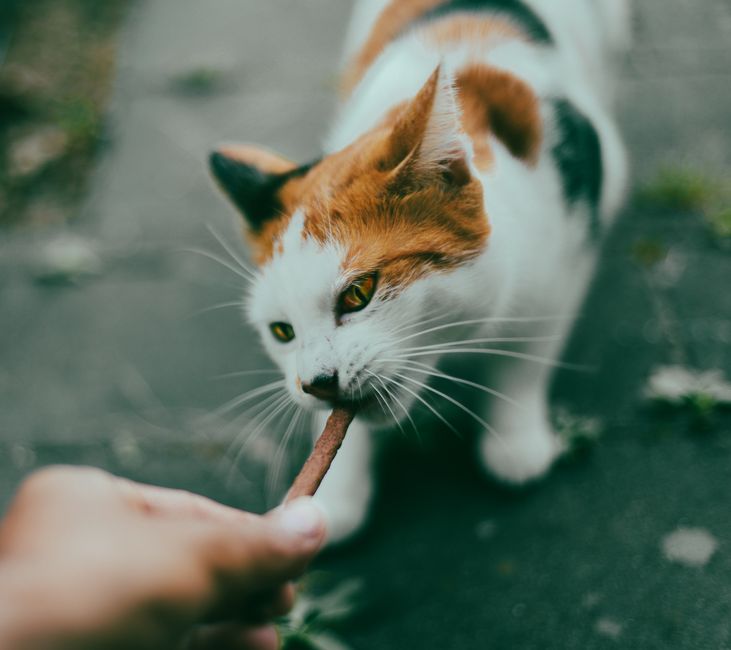
Photo: Doğan Alpaslan Demir via Pexels
This article is for general informational purposes only and does not constitute veterinary advice. Pet health symptoms can have many causes and require professional evaluation. Always consult a licensed veterinarian for diagnosis and treatment specific to your pet.
Recommended Resources
Disclosure: As an Amazon Associate, we earn a small commission from qualifying purchases at no extra cost to you. We only recommend products that genuinely support the topics covered in this article.
- EVERLIT 95-Piece Vet-Approved Pet First Aid Kit (~$32), Vet-approved 95-piece kit for dogs and cats, covers cuts, burns, sprains, and emergencies until you can reach a vet.
- Nutramax Cosequin DS Joint Supplement for Dogs (132ct) (~$36), The #1 veterinarian-recommended joint supplement brand, clinically studied for reducing joint pain in dogs.