 Rachel Sanders
Your dog limps in from the backyard after a game of fetch, and suddenly you’re staring at a $4,000 surgical estimate. Most articles about this injury waste three paragraphs explaining what a ligament is before telling you anything worth knowing. I’m skipping that part.
The ligament in question is the CCL (cranial cruciate ligament). “ACL” is the human version, but the injuries are similar enough that everyone uses the terms interchangeably. What actually matters: this ligament stabilizes your dog’s knee, called the stifle joint. When it tears, the joint becomes unstable and painful, and arthritis develops fast. It’s the single most common orthopedic injury in dogs, period. The treatment decision you make in the first few weeks has real, lasting consequences.
Recognizing It: What You’re Actually Seeing
A complete rupture is usually obvious. Your dog won’t put weight on the leg, or barely touches the toe down. Partial tears? Those are sneaky. The dog limps for a few days, seems to improve, then goes lame again. I’ve watched owners cycle through “rest and anti-inflammatories” three or four times over several months before anyone gets a definitive diagnosis. By then the joint has accumulated serious damage.
The “sitting sign” is worth watching for: dogs with a CCL injury often can’t flex the knee normally, so they sit with the affected leg kicked out to the side instead of tucked under. Not definitive on its own, but telling.
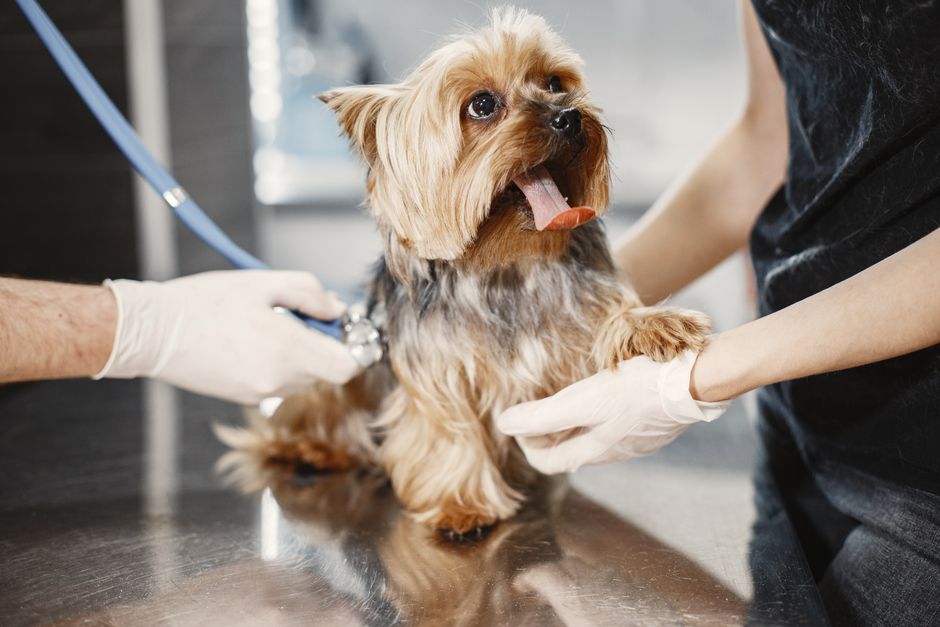
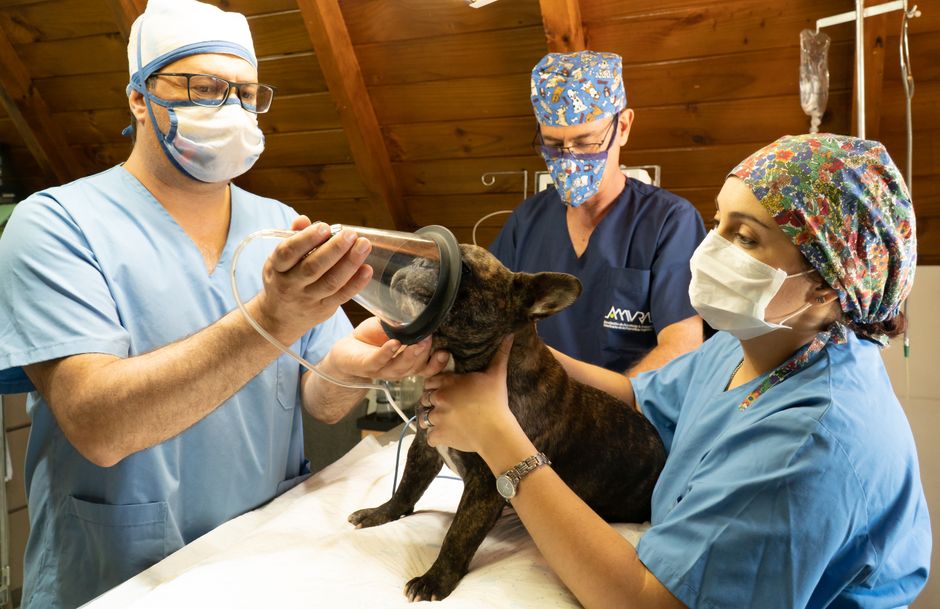
Your vet will perform a drawer test and a tibial thrust test, feeling for abnormal joint movement. Usually that’s enough for a diagnosis. Sometimes sedation is needed if the dog’s too tense, or an X-ray gets ordered to assess existing arthritis and rule out bone problems. MRI or arthroscopy exists if you need absolute certainty, but most of the time those aren’t necessary to decide on treatment.
Don’t wait six weeks. The meniscus, a cartilage cushion inside the joint, often tears secondarily. Treating it earlier reduces that risk significantly.
Surgery vs. Conservative Management: The Honest Version
| Procedure | Cost Range | Best For | Recovery Time |
|---|---|---|---|
| TPLO | $3,500-5,000 | Medium to large dogs; high-activity dogs | 12-16 weeks |
| TTA | $3,500-5,000 | Medium to large dogs; similar outcomes to TPLO | 12-16 weeks |
| Extracapsular Repair | $1,500-2,500 | Dogs under 30 lbs; older or lower-activity dogs | 12-16 weeks |
| Conservative Management | Minimal (rest + medication) | Dogs under 15-20 lbs; lower-activity dogs | Ongoing |
Helpful resource: Purina Pro Plan Veterinary Supplements FortiFlora Probiotic is a top-rated option for this. (As an Amazon Associate this site earns from qualifying purchases.)
Most information online either oversimplifies or scares you into a decision. The actual situation is messier than that.
For dogs over 20-25 pounds, surgery is usually the right call. The joint won’t stabilize on its own, and the arthritis that follows untreated instability is genuinely debilitating. Research backs this up consistently: the American Veterinary Medical Association (AVMA) and board-certified veterinary surgeons recommend surgical intervention for medium and large dogs.
Three main procedures come up:
TPLO (Tibial Plateau Leveling Osteotomy) is the current gold standard. The surgeon cuts and rotates the tibia to change the joint angle, making the CCL functionally unnecessary. It sounds alarming. The outcomes are excellent. Recovery takes roughly 12-16 weeks of restricted activity, and most dogs return to full function.
TTA (Tibial Tuberosity Advancement) achieves similar biomechanical goals through a different approach. Outcomes match TPLO closely. Some surgeons prefer one or the other strongly; in my experience, surgeon familiarity with the technique matters more than which technique gets chosen.
Extracapsular repair (lateral suture or the newer TightRope variation) places a heavy suture outside the joint to mimic the ligament. Less invasive, cheaper (often $1,500-2,500 versus $3,500-5,000 for TPLO), and perfectly appropriate for dogs under 30 pounds or older, lower-activity dogs. For a 70-pound Labrador? I’d push hard for TPLO.
For dogs under 15-20 pounds, conservative management actually works. Strict rest, physical therapy, and accepting that your dog isn’t running agility courses. Plenty of small dogs do well with it. The AAHA hospital accreditation standards support discussing all options with owners, and an honest vet will walk through this based on your specific dog’s size, age, and lifestyle.
Finding the Right Surgeon
Your regular vet can diagnose this. The surgery should go to a board-certified veterinary surgeon (DACVS credential) or a vet with significant TPLO experience. Ask directly: “How many TPLOs have you performed?” Under 50 isn’t reassuring. Over 200, you’re in good hands.
University veterinary hospitals are worth calling. Wait times can be longer, but the surgical teams are excellent and costs run 15-30% lower than private specialty practices. If your regular vet’s referral estimate feels impossible, call your nearest vet school.
Pet insurance matters enormously here, and I’ll be blunt: if you don’t have it yet and your dog just blew a CCL, most policies won’t cover it because it’s now a pre-existing condition. Before problems happen, get insurance. Both Healthy Paws and Trupanion are names I hear repeatedly from clients who’ve actually had to use them.
The Recovery: What Nobody Warns You About
Surgery goes well. Recovery is where things get hard.
Twelve to sixteen weeks of restricted activity means no running, no stairs unsupervised, no jumping on furniture, no fetch. Your dog will feel better at week three and will absolutely try to act normal. They’re wrong. The bone is still healing. Leash walks only, on a non-retractable leash, until your surgeon clears you.
A few things that actually help:
Rent or buy a recovery crate or pen to limit your dog’s space. An orthopedic dog bed keeps the joint comfortable during long weeks of rest. Get one with memory foam, not cheap fiberfill. Something like the Big Barker orthopedic dog bed (affiliate link, site may earn a commission) is what I recommend most often.
Physical rehabilitation isn’t a luxury. Canine rehab therapists use underwater treadmills, therapeutic exercises, and laser therapy to speed recovery and prevent complications. If a certified canine rehabilitation practitioner (CCRP) exists near you, ask your surgeon for a referral. The difference in 6-month outcomes between dogs who did formal rehab versus strict rest alone is noticeable.
Watch the incision daily for the first two weeks. Swelling that increases after day 3-4, heat, discharge, or a dog running fever and refusing food: call your vet the same day. Minor swelling in the first 48 hours is normal. A warm, angry-looking incision at day 10 is not.
Joint supplements like glucosamine and omega-3 fatty acids won’t fix instability, but they support long-term joint health. Something like Cosequin DS (affiliate link) is what vets recommend consistently, and it’s inexpensive. Start it post-op and keep going.
One last thing about the other leg: 40-60% of dogs who tear one CCL will tear the other within two years, according to studies. Keep that dog at a healthy weight, forever. Every extra pound is compressive load on a joint that’s already been through something.
This article is for general informational purposes only and does not constitute veterinary advice. Pet health symptoms can have many causes and require professional evaluation. Always consult a licensed veterinarian for diagnosis and treatment specific to your pet.
Sources
- Purina Pro Plan Veterinary Supplements FortiFlora Probiotic
- American Veterinary Medical Association (AVMA)
- AAHA hospital accreditation standards
- Healthy Paws
- Big Barker orthopedic dog bed
Disclosure: As an Amazon Associate, we earn a small commission from qualifying purchases at no extra cost to you. We only recommend products that genuinely support the topics covered in this article.
- EVERLIT 95-Piece Vet-Approved Pet First Aid Kit (~$32), Vet-approved 95-piece kit for dogs and cats, covers cuts, burns, sprains, and emergencies until you can reach a vet.
- Nutramax Cosequin DS Joint Supplement for Dogs (132ct) (~$36), The #1 veterinarian-recommended joint supplement brand, clinically studied for reducing joint pain in dogs.
Recommended Resources
Disclosure: As an Amazon Associate, we earn a small commission from qualifying purchases at no extra cost to you. We only recommend products that genuinely support the topics covered in this article.
- EVERLIT 95-Piece Vet-Approved Pet First Aid Kit (~$32), Vet-approved 95-piece kit for dogs and cats, covers cuts, burns, sprains, and emergencies until you can reach a vet.
- Nutramax Cosequin DS Joint Supplement for Dogs (132ct) (~$36), The #1 veterinarian-recommended joint supplement brand, clinically studied for reducing joint pain in dogs.