 Karen Lopez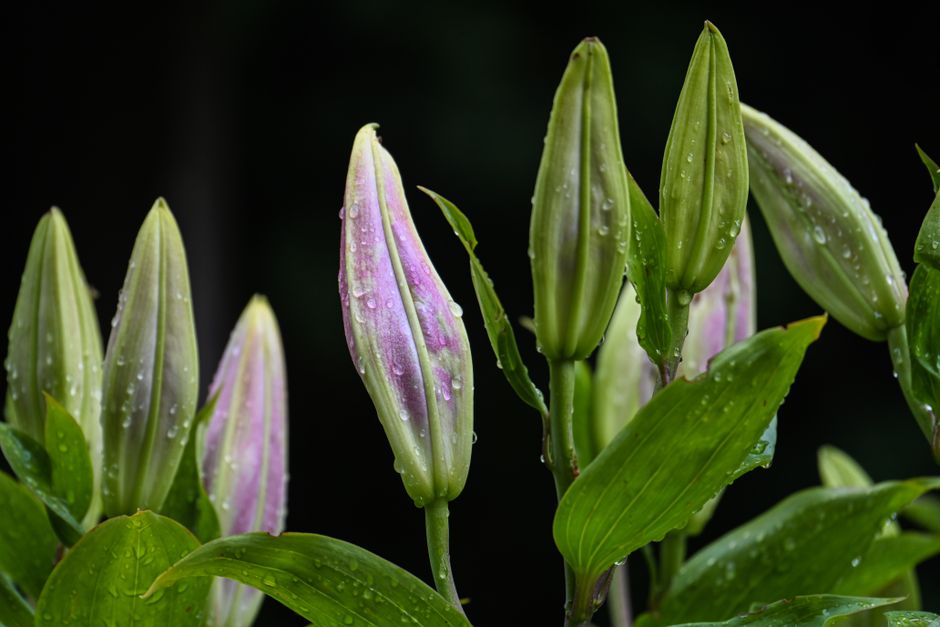
A client walked in one spring afternoon with her cat, Miso, limp and drooling in a carrier lined with Easter grass. She’d put a beautiful lily arrangement on her dining table that morning. By evening, Miso had chewed on a few petals. She had no idea lilies were toxic. Most people don’t. Within 72 hours of lily ingestion, a cat can go into acute kidney failure. Miso survived, but it was close, and it was expensive, and it was entirely preventable. I’ve told that story dozens of times in the exam room because it’s the one that lands. People hear “plants can be toxic to cats” and mentally file it under “probably fine.” This article is for the people who want to actually know what’s in their homes.
The Plants That Can Kill Quickly (Treat These as True Emergencies)
Some plants aren’t just mildly irritating. They’re lethal at small doses, and cats are particularly vulnerable because they groom themselves constantly, even brushing against a plant and licking their fur counts as exposure.
True lilies (Lilium and Hemerocallis species): This is the one that keeps veterinary toxicologists up at night. Easter lilies, tiger lilies, Asiatic lilies, daylilies, stargazer lilies. All of them capable of fatal kidney failure in cats. Every part of the plant is toxic, including the pollen and the water in the vase. Your cat doesn’t have to eat a whole flower. One petal. A stamen licked during grooming. That’s enough to trigger acute renal failure within 24 to 72 hours. If you see your cat near any lily and there’s even a chance of contact, call your vet emergency clinic right now. Not tomorrow. Now.
Sago palm (Cycas revoluta): Popular as a houseplant and outdoor ornamental. Every part is toxic, but the seeds will kill fastest. Cycasin, the primary toxin, causes severe liver failure. Even tiny amounts, one or two seeds, can be fatal. Survival is possible but requires aggressive veterinary treatment started early.
Oleander: The plant itself and smoke from burning oleander branches are both toxic. It affects the heart. Ingestion can cause cardiac arrhythmias, and pets can deteriorate fast.
Yew (Taxus species): Common in hedges and landscaping. The berries are especially dangerous. Sudden death is possible with yew ingestion, sometimes without warning.
If your cat has gotten into any of these, skip the “wait and see” approach entirely. Call your vet, call an emergency clinic, or call the ASPCA Animal Poison Control Center at (888) 426-4435. There’s a fee for that call, but in a true poisoning scenario, it’s worth every cent because you get immediate guidance from veterinary toxicologists.
Common Houseplants That Cause Real Harm (Not Just Mild Upset)
| Plant | Toxin/Mechanism | Primary Risk | Timeline | Severity |
|---|---|---|---|---|
| True lilies (Lilium, Hemerocallis) | Unknown; affects kidneys | Acute renal failure | 24-72 hours | Fatal |
| Sago palm (Cycas revoluta) | Cycasin | Liver failure | Rapid | Fatal |
| Oleander | Cardiac glycosides | Cardiac arrhythmias | Rapid | Fatal |
| Yew (Taxus) | Taxine | Cardiac arrest | Rapid | Fatal |
| Dieffenbachia | Calcium oxalate crystals | Oral/throat swelling, pain | Immediate | Serious |
| Pothos/Philodendron | Calcium oxalate crystals | Oral irritation, GI upset | Immediate | Moderate |
| Peace lily (Spathiphyllum) | Calcium oxalate crystals | Oral pain, GI symptoms | Immediate | Moderate |
| Kalanchoe | Unknown | GI upset, cardiac effects | Variable | Moderate |
| Azalea/Rhododendron | Grayanotoxins | Cardiac & nervous system | Variable | Serious |
| Autumn crocus (Colchicum autumnale) | Colchicine | Multi-organ failure | Rapid | Serious |
Beyond the fast-killers, there’s a longer list of plants that can make your cat genuinely sick, cause painful symptoms, or lead to serious complications if not addressed.
Dieffenbachia (dumb cane): This one is in almost every office lobby in America. The calcium oxalate crystals in the leaves cause intense oral pain, drooling, swelling of the mouth and throat, and difficulty swallowing. It’s rarely fatal, but it’s extremely uncomfortable and the throat swelling can be dangerous in some cases.
Pothos and philodendron: Hugely popular houseplants. Same mechanism as dieffenbachia, calcium oxalate crystals causing oral irritation and GI upset. Most cats who chew on these will drool, paw at their mouth, and feel miserable for a few hours. Worth a vet call to report exposure and get guidance, even if symptoms seem mild.
Peace lily (Spathiphyllum): Confusingly named, because it’s not a true lily and doesn’t cause kidney failure. But it does contain calcium oxalate crystals and will cause significant oral pain and GI symptoms. It’ll make your cat feel terrible.
Kalanchoe: A common succulent sold everywhere. Causes GI upset and, in larger amounts, cardiac effects. The level of toxicity varies by how much was eaten and the size of your cat.
Azalea and rhododendron: Common in gardens and sometimes brought indoors as flowering plants. Contains grayanotoxins that affect the heart and nervous system. Symptoms include drooling, vomiting, low blood pressure, and cardiac abnormalities.
Autumn crocus (Colchicum autumnale): Looks like a regular crocus, but contains colchicine, a compound that interferes with cell division. Causes severe GI symptoms and multi-organ failure. Often confused with the spring crocus, which is much less dangerous.
Plants That Are Mildly Toxic or Cause Mostly GI Upset
These plants will make your cat feel sick but aren’t generally life-threatening in typical exposure amounts. That said, “probably not fatal” doesn’t mean you should ignore it.
- Aloe vera: The gel inside is fine topically, but the latex layer of the leaf causes vomiting and diarrhea when ingested.
- English ivy: Causes GI upset, drooling, and in larger amounts, neurological symptoms.
- Snake plant (Sansevieria/Dracaena trifasciata): GI upset, drooling, nausea.
- Jade plant: Vomiting, lethargy, and occasionally wobbliness.
- Tulip and hyacinth bulbs: The bulbs are more toxic than the flowers. GI upset, drooling, sometimes central nervous system effects.
- Chrysanthemum: GI upset and skin irritation. Commonly brought home as cut flowers.
- Bird of paradise: Mild GI upset. Often confused with the plant of paradise, which is more toxic.
Even “mild” toxicity can escalate if your cat is small, older, immunocompromised, or has kidney or liver disease. Always err toward calling your vet for guidance when you’re unsure.
What to Do Right Now: A Step-by-Step Response Guide
If you suspect your cat has eaten or been exposed to a toxic plant, here’s how to respond.
Step 1: Don’t panic, but move quickly.
Collect yourself for thirty seconds. You need to be functional and clear-headed for the next steps.
Step 2: Identify the plant if possible.
Take a photo of the plant. Try to find a tag, save the name, or do a quick search. Knowing what your cat ate changes everything about the treatment approach. “Something green” is a lot harder to work with than “pothos” or “lily.”
Step 3: Assess what happened.
How much did they eat? Did they just chew the leaves, or did they swallow pieces? Have you noticed any symptoms yet? How long ago did the exposure happen? Write this down or keep it in your head because your vet or the poison control line will ask.
Step 4: Call for help.
For potentially deadly plants like lilies, sago palm, or oleander: call an emergency vet immediately. Don’t wait for symptoms.
For plants in the moderate to mild category: call your regular vet line or an after-hours nurse line. Report what happened and follow their guidance.
If you’re not sure which category applies: call the ASPCA Animal Poison Control Center (888-426-4435) or the Pet Poison Helpline (855-764-7661). Both have toxicologists who can tell you whether you need to go to an emergency clinic right now or whether monitoring at home is reasonable.
Step 5: Do not induce vomiting unless instructed to.
I know this feels counterintuitive. But inducing vomiting at home in cats is risky (hydrogen peroxide is dangerous for cats, unlike dogs), and for some toxins, it actually makes things worse. Let the professionals make that call.
Step 6: Transport safely.
If you’re going to the vet, put your cat in a secure carrier. Bring the plant or a photo of it. Bring the name if you have it. This gives the vet a head start.
Step 7: Monitor and follow instructions precisely.
If the toxicologist or vet says to watch at home, know what symptoms to watch for: vomiting, lethargy, loss of appetite, drooling, wobbly walking, labored breathing, or changes in litter box use. Set a timer to check on your cat every two hours.
A basic pet first aid kit won’t treat a plant toxicity, but it’ll have useful items like gloves and a thermometer that can help you assess and report your cat’s condition accurately. (As an Amazon Associate this site earns from qualifying purchases.)
Building a Safer Home: What to Replace and What to Choose Instead
The best thing I can tell you is to take an afternoon and audit your home. Pull up a comprehensive toxin resource like PetMD’s veterinary library and search every plant you own.
Some safe swaps for common toxic houseplants:
| Toxic Plant | Safe Alternative |
|---|---|
| Pothos | Spider plant (non-toxic) |
| Dieffenbachia | Areca palm (non-toxic) |
| Peace lily | Boston fern (non-toxic) |
| Aloe vera | Haworthia (non-toxic succulent) |
| Philodendron | Peperomia (non-toxic) |
| Lilies (any true lily) | Orchids, roses (non-toxic to cats) |
If you’re set on keeping any mildly risky plants, placement matters. Cats can jump, and they will jump. High shelves aren’t reliable. Rooms your cat can’t access, like a closed bathroom or a dedicated plant room, are more realistic. Hanging planters are sometimes okay, but cats have surprised me.
If you want to redirect your cat’s chewing urges, cat grass kits or catnip plants are genuinely satisfying for them and completely safe. A puzzle feeder can also redirect some of that restless energy that leads to plant chewing in the first place. (As an Amazon Associate this site earns from qualifying purchases.)
You don’t have to get rid of every plant in your home. Plenty of beautiful, low-maintenance plants are perfectly safe for cats. But the few that aren’t? They’re genuinely dangerous, and the consequences of a wrong assumption are severe. Miso’s owner didn’t know. Now you do. Take an hour this week, check your plants against a reliable toxin database, and make the swaps where it matters. Your cat can’t read the labels. That job belongs to you.
This article is for general informational purposes only and does not constitute veterinary advice. Pet health symptoms can have many causes and require professional evaluation. Always consult a licensed veterinarian for diagnosis and treatment specific to your pet.
Sources
- basic pet first aid kit
- PetMD’s veterinary library
- puzzle feeder
- Midwest Homes Folding Metal Dog Crate
- Zesty Paws Hip and Joint Supplement Chews for Dogs
Disclosure: As an Amazon Associate, we earn a small commission from qualifying purchases at no extra cost to you. We only recommend products that genuinely support the topics covered in this article.
- EVERLIT 95-Piece Vet-Approved Pet First Aid Kit (~$32), Vet-approved 95-piece kit for dogs and cats, covers cuts, burns, sprains, and emergencies until you can reach a vet.
- Nutramax Cosequin DS Joint Supplement for Dogs (132ct) (~$36), The #1 veterinarian-recommended joint supplement brand, clinically studied for reducing joint pain in dogs.
Recommended Resources
Disclosure: As an Amazon Associate, we earn a small commission from qualifying purchases at no extra cost to you. We only recommend products that genuinely support the topics covered in this article.
- EVERLIT 95-Piece Vet-Approved Pet First Aid Kit (~$32), Vet-approved 95-piece kit for dogs and cats, covers cuts, burns, sprains, and emergencies until you can reach a vet.
- Nutramax Cosequin DS Joint Supplement for Dogs (132ct) (~$36), The #1 veterinarian-recommended joint supplement brand, clinically studied for reducing joint pain in dogs.