 Michelle Chen
Roughly half the rescue dogs I’ve seen come through our clinic in the first 30 days post-adoption had at least one health issue the new owner didn’t know about. Not because shelters are hiding things. Because health assessments done on stressed, under-observed animals in noisy kennels miss a lot, and because most adopters don’t know what to look for before they sign the paperwork.
Most adoption advice focuses on temperament, training, and whether the dog will get along with your cat. That’s all real. But walking home with a dog who has an undiagnosed ear infection, early hip dysplasia, or an intestinal parasite load is a rough start for everyone, and it costs money you could have planned for if you’d known.
Here’s what to actually check.
Ask Shelter Staff the Right Questions First
Before you lay eyes on any dog, pull out the medical records. Shelters are required to provide these, and most will without any fuss. What you’re looking for: vaccination history, heartworm test result and date, any treatments administered during the stay, and any vet notes. A dog that came in as a stray with zero history is a different risk profile than an owner surrender with five years of vet records.
Ask specifically: Has this dog been treated for intestinal parasites? Has a fecal test been done, and when? Has the dog shown any respiratory symptoms during its stay? Kennel cough spreads fast in shelters, and a dog in the tail end of it can look totally fine on a Tuesday and be coughing hard by Friday.
Also ask how long the dog has been there. Dogs housed in shelters for more than a few weeks are at higher risk for stress-related immune suppression. That doesn’t mean don’t adopt them. It means go in clear-eyed.
Do Your Own Physical Assessment
Helpful resource: Rayco First Aid Kit for Dogs and Cats is a top-rated option for this. (As an Amazon Associate this site earns from qualifying purchases.)
You don’t need a veterinary degree to notice the obvious. Run through this before you fall in love with a set of ears or a wagging tail.
Eyes: Clear, symmetric, no discharge. Cloudiness in a young dog warrants follow-up. Some discharge in the corner of the eye is normal. Green or yellow goop is not.
Ears: Flip the ear flap and take a sniff. A yeasty, sweet, or foul smell means infection, almost certainly. Brown waxy debris plus head shaking is the same story. Ear infections in dogs are extremely common and very treatable, but you’ll want to know upfront so you’re not surprised by a $150 vet visit in week one.
Teeth and gums: Gums should be pink and moist. Press your fingertip on the gum, release, and count how long it takes to return to pink. More than 2 seconds is a red flag (that’s the capillary refill time test, and it’s a rough but useful indicator of circulation). Check for obvious broken teeth or severe tartar buildup. Moderate tartar on an adult rescue is basically expected. Broken teeth hitting the pulp are painful and need attention sooner.
Coat and skin: Part the fur on the back, neck, and belly. You’re looking for fleas (tiny dark specks, or the fleas themselves), scabs, hair loss patches, or redness. A dog with significant skin issues isn’t unadoptable. But it might already have a secondary bacterial infection that needs antibiotics, and mange (particularly sarcoptic) can transfer to humans.
Body condition: Run your hands along the ribs. You should feel them without pressing hard, but they shouldn’t be sharply prominent. A dog in a shelter for a while may be underweight. That usually resolves with consistent feeding. A dog that’s underweight AND has a pot-bellied appearance (especially in puppies) often has a heavy parasite burden.
Gait: Ask to walk the dog. Watch from behind and from the side. Mild unevenness on a hard floor when a dog is nervous can mean nothing. A consistent limp, bunny-hopping in the rear, or reluctance to put weight on a leg is worth flagging. Hip dysplasia shows up in large breeds sometimes by 12-18 months. It’s manageable, but it will cost you, and you should make that decision knowingly.
The Vet Visit You Should Schedule Before Day 5
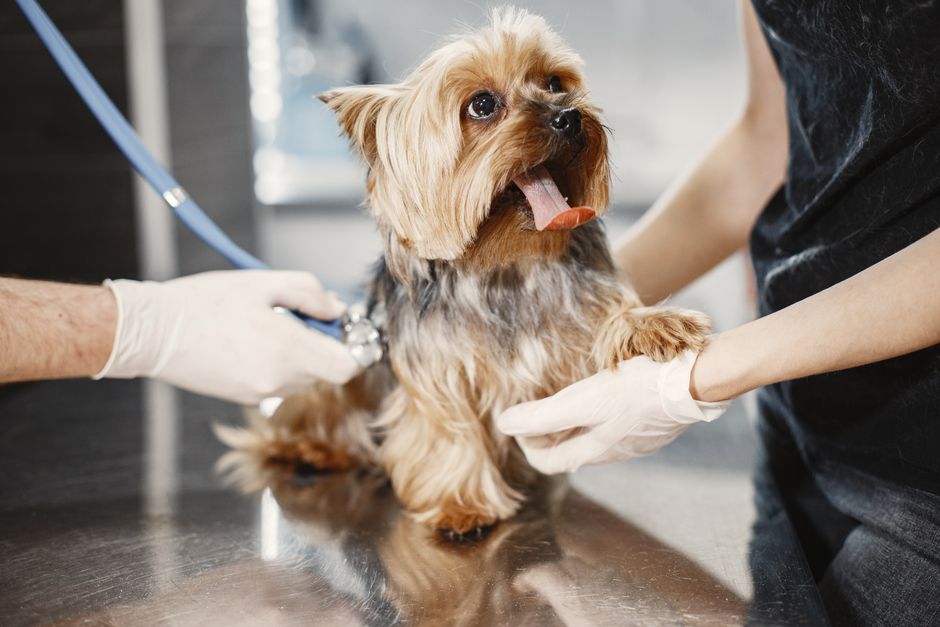
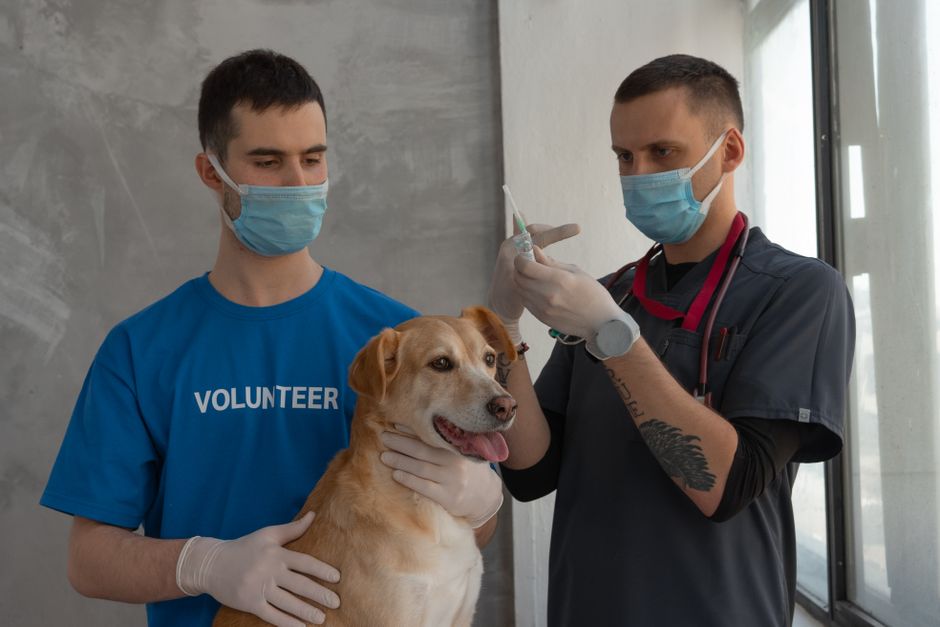
This isn’t optional. A wellness exam at your own vet within the first 5 days gives you a real baseline and catches what a shelter assessment can’t. The American Veterinary Medical Association (AVMA) recommends this post-adoption checkup as standard practice, and for good reason.
Tell your vet the dog came from a shelter, provide the records you gathered, and ask for a fecal float test even if the shelter ran one. Shelter-run fecals are sometimes out of date by the time you adopt. Hookworms, roundworms, and Giardia are extremely common in rescue dogs, often asymptomatic, and contagious to people. A fecal test runs about $40-$60 at most clinics.
Ask about heartworm status and prevention. If the dog tested negative and it’s been more than 6 months since the test, some vets will want to retest before starting preventatives, because heartworm preventatives don’t kill adult worms and administering one to an unknowingly positive dog can cause a reaction.
Get the dog’s weight recorded. You’ll use this number constantly.
Breed-Specific and Age-Related Issues Worth Knowing
A few things that catch first-time rescue adopters off guard.
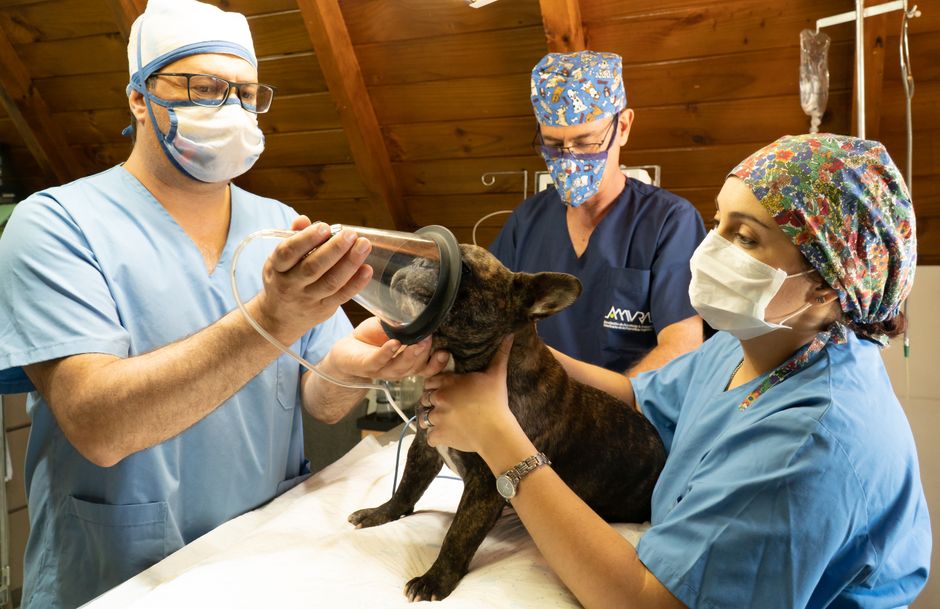
Brachycephalic dogs (bulldogs, French bulldogs, pugs, Boston terriers) commonly have structural breathing issues. You can hear this on exam, and it affects anesthesia risk significantly. If you’re adopting one of these breeds, ask whether the shelter’s vet assessed for BOAS (brachycephalic obstructive airway syndrome). PetMD’s veterinary resource library has a solid plain-language overview of this condition if you want to know what you’re dealing with.
Senior dogs (roughly 7+ years depending on size) should get baseline bloodwork. Kidney disease, liver changes, and thyroid issues are common and manageable if you catch them early. They’re also much harder and more expensive to treat once they’ve progressed.
Large and giant breed dogs have higher rates of orthopedic issues, cardiac disease, and certain cancers. This isn’t a reason not to adopt one. It is a reason to budget for it and get good pet insurance in place immediately, not after you already have a diagnosis.
Setting Up for the First Month at Home
Stock a basic pet first aid kit before the dog arrives. Keep it somewhere accessible. You’ll likely need it less than you think, but new dogs are stressed and stress does weird things to immune systems and digestion.
Keep the dog away from other household pets for at least 10-14 days if possible. Not because the shelter necessarily missed something catastrophic, but because Giardia and kennel cough can spread before symptoms show, and your resident cat does not need to be collateral damage.
Don’t overwhelm the dog with social visits, new environments, and parks in week one. The 3-3-3 rule in rescue circles (3 days to decompress, 3 weeks to learn your routine, 3 months to feel at home) is a simplification, but it’s a useful mental frame. A dog who’s not showing symptoms in week one might show them in week two once they relax.
This article is for general informational purposes only and does not constitute veterinary advice. Pet health symptoms can have many causes and require professional evaluation. Always consult a licensed veterinarian for diagnosis and treatment specific to your pet.
Sources
- Rayco First Aid Kit for Dogs and Cats
- American Veterinary Medical Association (AVMA)
- PetMD’s veterinary resource library
- Purina Pro Plan Veterinary Supplements FortiFlora Probiotic
- PetSafe Easy Walk No-Pull Dog Harness
Disclosure: As an Amazon Associate, we earn a small commission from qualifying purchases at no extra cost to you. We only recommend products that genuinely support the topics covered in this article.
- EVERLIT 95-Piece Vet-Approved Pet First Aid Kit (~$32), Vet-approved 95-piece kit for dogs and cats, covers cuts, burns, sprains, and emergencies until you can reach a vet.
- Nutramax Cosequin DS Joint Supplement for Dogs (132ct) (~$36), The #1 veterinarian-recommended joint supplement brand, clinically studied for reducing joint pain in dogs.
Recommended Resources
Disclosure: As an Amazon Associate, we earn a small commission from qualifying purchases at no extra cost to you. We only recommend products that genuinely support the topics covered in this article.
- EVERLIT 95-Piece Vet-Approved Pet First Aid Kit (~$32), Vet-approved 95-piece kit for dogs and cats, covers cuts, burns, sprains, and emergencies until you can reach a vet.
- Nutramax Cosequin DS Joint Supplement for Dogs (132ct) (~$36), The #1 veterinarian-recommended joint supplement brand, clinically studied for reducing joint pain in dogs.