 Dr. Amanda Foster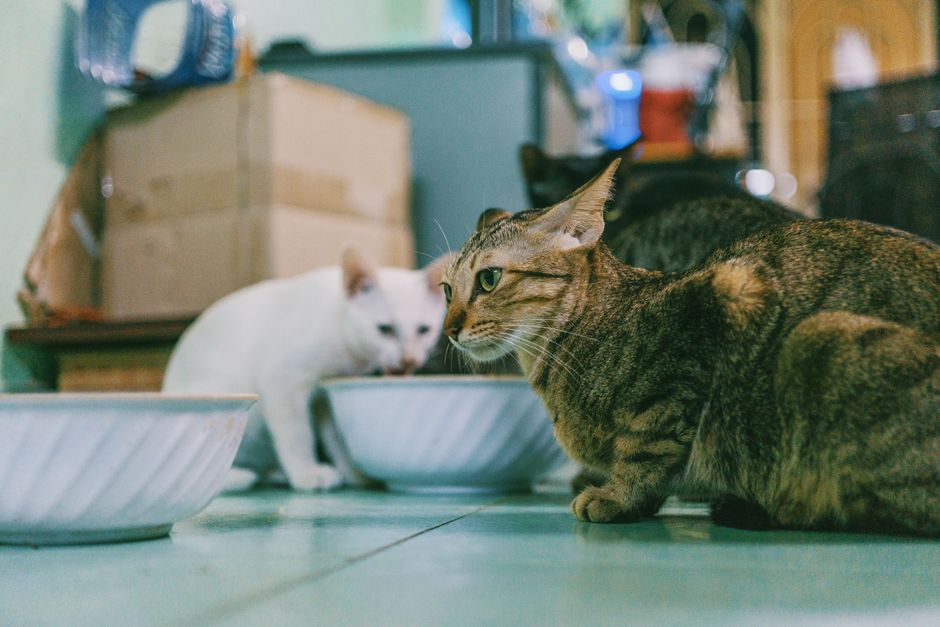
Roughly one in four cats seen in general practice for increased thirst end up diagnosed with a condition that was already quietly progressing for months before the owner noticed. That stat keeps me up a little at night, honestly, because “drinking more water” is one of the easiest changes to catch early, and it’s still routinely dismissed as “probably fine.”
It’s not always fine.
Polydipsia (the clinical term for excessive drinking) paired with polyuria (excessive urination) is one of the most consistent early signals your cat’s body sends when something systemic is going wrong. The reasons range from “totally manageable with medication” to “we need bloodwork today.” Knowing the difference matters.
- Cats should drink roughly 3.5–4.5 oz (100–130 mL) of water per 10 lbs of body weight per day; more than that warrants a vet call.
- The three most common causes in cats are chronic kidney disease, diabetes mellitus, and hyperthyroidism , all diagnosable with a basic blood panel.
- A cat eating wet food normally drinks less; switching to dry food alone can double water intake without any underlying disease.
- PU/PD (polyuria/polydipsia) lasting more than 48 hours, especially with weight loss or lethargy, is a same-week vet visit , not a "wait and see."
- A morning urine sample in a clean, rinsed litter box can give your vet critical data before the appointment even starts.
How Much Is Actually “Too Much”
Here’s where most articles fail you: they say “if your cat is drinking more than usual, see a vet” without ever telling you what “usual” looks like. That’s useless.
A 10-pound cat eating a mixed wet/dry diet typically drinks somewhere between 3.5 and 4.5 ounces of water per day from their bowl, because wet food contributes another 3–4 ounces of moisture on its own. A cat on exclusively dry kibble? They may drink 7–8 ounces from the bowl and still be perfectly normal. Diet is the biggest variable most people forget.
The practical test: fill their water bowl to a consistent level before bed and measure what’s left in the morning. Do this for three days. If your 10-pound cat is drinking more than 9–10 ounces daily (and eating wet food), that’s worth flagging. On dry food only, I’d be more concerned around 12+ ounces. These aren’t hard clinical cutoffs, just field-tested benchmarks that tell you whether you’re looking at a possible problem or a diet quirk.
I’ll admit I got this wrong early in my career. A client brought in her 8-year-old DSH, Mabel, in late 2019 and described what I mentally filed as “probably just the new dry food.” It was hyperthyroidism. Mabel’s T4 came back at 8.2 µg/dL against a normal ceiling of about 4.0. We caught it, she went on methimazole, and she’s still around. But I learned to take the history more carefully after that.
The Most Likely Culprits, Ranked
Helpful resource: Arm & Hammer Dog Dental Spray , No Brush Needed is a top-rated option for this. (As an Amazon Associate this site earns from qualifying purchases.)
Not all causes are equally common. In middle-aged to older cats (7+), the probability landscape looks like this:
| Condition | Typical Age of Onset | Key Additional Signs | Diagnostic Test | Urgency |
|---|---|---|---|---|
| Chronic Kidney Disease (CKD) | 7+ years | Weight loss, poor coat, vomiting | Blood panel + urinalysis | Same week |
| Diabetes Mellitus | 8–12 years | Increased appetite, weight loss, weakness in hind legs | Blood glucose + urinalysis | Same week |
| Hyperthyroidism | 10+ years | Weight loss despite ravenous appetite, hyperactivity | Total T4 blood test | Same week |
| Urinary Tract Infection | Any age | Straining, blood in urine, frequent small voids | Urinalysis + culture | Within 24–48 hrs |
| Psychogenic Polydipsia | Any age | No other symptoms, often bored/anxious cats | Diagnosis of exclusion | Routine |
| Liver Disease | Any age | Jaundice, vomiting, lethargy | Blood panel + ultrasound | Same week |
| Hypercalcemia | Any age | Lethargy, vomiting, anorexia | Blood calcium level | Same week |
According to data from the Cornell Feline Health Center, CKD affects an estimated 30–40% of cats over age 10, making it the single most likely explanation for PU/PD in an older cat. That’s not a small number. It’s roughly one in three senior cats.
Diabetes runs a distant second in frequency but is arguably more dramatic in onset: owners often describe their cat’s back legs going “wobbly” (diabetic neuropathy) alongside the drinking change, which is a more urgent presentation. The ASPCA Poison Control Center also notes that certain toxins, including ethylene glycol (antifreeze) and some lilies, can cause sudden-onset kidney failure that mimics CKD symptoms, which is why any sudden increase in thirst following potential outdoor exposure is an emergency, not a mystery to solve at home.
What to Do Before the Appointment
You can walk into the vet with genuinely useful data, and most people don’t bother. Here’s what actually helps:
First: collect a urine sample the morning of the appointment. Use a clean, rinsed litter box with no litter, or a handful of the plastic aquarium gravel pellets some clinics provide. The sample should be less than four hours old and kept cool. Urine specific gravity, which tells us how concentrated the urine is, degrades fast. A dilute USG of 1.008 or below in a cat is a significant finding. A sample that sat in a hot car for two hours isn’t reliable.
Second: write down what you’ve actually observed. Not “she seems thirstier.” Specifics. “She’s been drinking from the toilet, which she never did before.” “She’s emptying a 16-oz bowl in about 18 hours.” “She’s waking me up at 3 a.m. asking for water.” That level of detail changes what a vet considers first.
Third: bring any supplements, medications, or food changes from the last three months. Prednisolone, even topical ear preparations containing it, can cause iatrogenic (medication-induced) diabetes in cats. This catches people off guard constantly.
Worked example: A 12-year-old Maine Coon, 15 lbs, dry food only, started drinking roughly 14 oz/day (up from an estimated 9). Owner collected a urine sample, USG came back 1.006. Blood panel showed BUN of 42 mg/dL and creatinine of 2.8 mg/dL. Diagnosis: early-stage CKD. Started on prescription renal diet and subcutaneous fluids at home. Eighteen months later, creatinine stable at 2.6, still eating well. Early catch made the difference.
The Diet Variable Nobody Talks About Enough
A cat who just switched from wet to dry food will drink more water. Full stop. This is not disease. The moisture content of canned food runs about 75–80%; dry kibble is roughly 10%. If your cat was eating one 5.5-oz can of wet food daily (contributing about 4 oz of water) and you switched to all-dry, they need to compensate by drinking more from the bowl. The math is just math.
Where this gets tricky: sometimes a cat doesn’t compensate enough, which contributes to concentrated urine and crystal formation. The American Veterinary Medical Association (AVMA) has consistently supported wet food as the better default hydration strategy for cats, especially those with any history of urinary issues. I’d agree. Dry food isn’t poison, but cats evolved as desert hunters who got most of their moisture from prey, and their thirst drive is genuinely weak compared to dogs.
The CKD bar is the one that should catch your eye. A cat with kidney disease on an all-dry diet may be drinking nearly nine times what a healthy cat on wet food drinks. The body is desperately trying to flush toxins the kidneys can’t concentrate properly.
When It’s an Emergency vs. When It Can Wait
I get this question constantly, so let me be direct.
Go today or to an emergency clinic tonight:
- Increased drinking plus vomiting more than once in 24 hours
- Complete refusal to eat for more than 24 hours
- Sudden hind-leg weakness or dragging
- Possible toxin exposure (antifreeze, lilies, certain human medications)
- Visible yellowing of the skin or whites of the eyes
Call Monday morning (same-week appointment):
- Increased drinking for more than a week with no other alarming symptoms
- Weight loss you’ve noticed over the past month
- Increased urination but eating and acting mostly normal
Probably fine to monitor a few more days:
- Diet just changed from wet to dry
- Hot summer weather, cat sleeping in sunny spots more (cats do drink more in heat)
- No other behavioral changes, weight seems stable
This is current as of July 2026. Treatment options for CKD and feline diabetes have improved meaningfully in the last few years, and early diagnosis genuinely changes outcomes. A basic wellness blood panel at most general practices runs somewhere in the $150–$280 range depending on your region and what’s included. That’s not nothing, but compared to managing a crisis that could have been caught earlier, it’s a reasonable investment.
Worked example 2: A 6-year-old indoor Siamese, normal weight, started asking for water constantly but ate well and had no other symptoms. Owner attributed it to a new water fountain (the Catit Flower Fountain (affiliate link) is great, by the way, and genuinely increases water intake in some cats). Blood panel was clean. Urinalysis normal. Diagnosis: psychogenic polydipsia secondary to environmental boredom. A puzzle feeder and an extra play session daily resolved it within two weeks. Sometimes the answer really is that simple.
Worked example 3: A reader emailed me last spring about her 9-year-old tabby who’d been on prednisolone ear drops for chronic otitis for about six weeks. She noticed him drinking roughly 20 oz/day. Blood glucose came back at 380 mg/dL. Steroid-induced diabetes. The ear drops were reformulated to a non-steroidal alternative, and the diabetes resolved without insulin. Knowing to mention the ear medication to her vet is what made the diagnosis fast.
Sources
- Cornell Feline Health Center: CKD prevalence data and feline PU/PD clinical guidance
- American Veterinary Medical Association (AVMA): Dietary moisture recommendations and feline urinary health positions
- ASPCA Animal Poison Control Center: Toxin-related causes of acute kidney injury and emergency triage guidance
- Sparkes AH et al., “ISFM Consensus Guidelines on the Diagnosis and Management of Feline Chronic Kidney Disease,” Journal of Feline Medicine and Surgery (2016): Staging, diagnostic criteria, and management benchmarks still widely referenced in practice
- Reusch CE, “Feline Diabetes Mellitus,” in Feldman and Nelson’s Canine and Feline Endocrinology (4th ed.): Clinical presentation, diagnostic criteria, and steroid-induced diabetes in cats
Photo: FOX ^.ᆽ.^= ∫ via Pexels
This article is for general informational purposes only and does not constitute veterinary advice. Pet health symptoms can have many causes and require professional evaluation. Always consult a licensed veterinarian for diagnosis and treatment specific to your pet.
Recommended Resources
Disclosure: As an Amazon Associate, we earn a small commission from qualifying purchases at no extra cost to you. We only recommend products that genuinely support the topics covered in this article.
- EVERLIT 95-Piece Vet-Approved Pet First Aid Kit (~$32), Vet-approved 95-piece kit for dogs and cats, covers cuts, burns, sprains, and emergencies until you can reach a vet.
- Nutramax Cosequin DS Joint Supplement for Dogs (132ct) (~$36), The #1 veterinarian-recommended joint supplement brand, clinically studied for reducing joint pain in dogs.