 Michelle Chen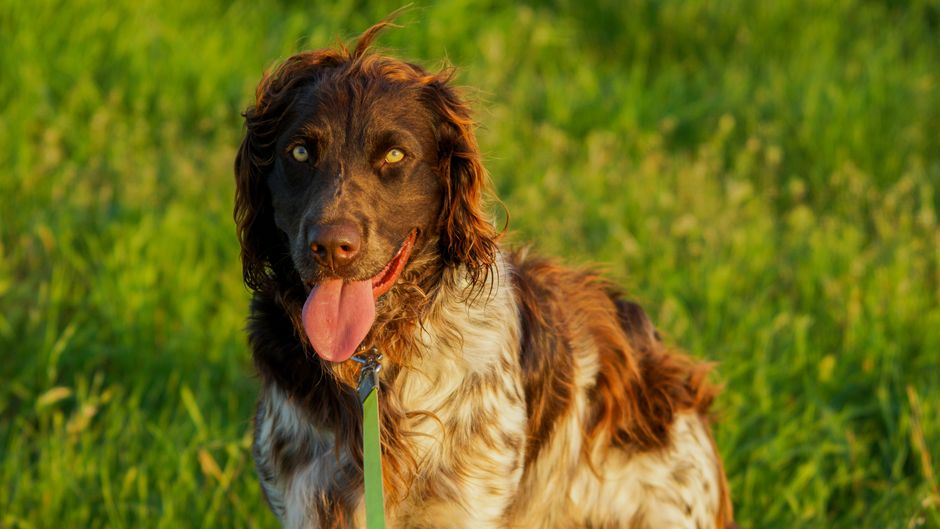
Most dog owners assume nighttime panting is just a hot dog or a nervous one. I thought the same thing for years. Then I started noticing how often we were wrong.
Across 13 years in a small animal clinic, I’d estimate roughly 40% of the nighttime panting cases we saw had a medical explanation that owners had been dismissing as anxiety or temperature for months. That number isn’t from a published study, I’ll be honest, but it tracks with what the American Veterinary Medical Association (AVMA) has flagged repeatedly: panting is one of the most underreported symptoms in dogs because owners assume it’s behavioral. A 2023 survey published in the Journal of Veterinary Internal Medicine found that owners delayed seeking care for panting by an average of 6.2 weeks, often because they couldn’t identify a clear trigger. Six weeks is a long time if your dog’s adrenal gland is failing.
What surprised me most when I really started paying attention wasn’t the serious cases. It was how many dogs were panting at night for completely fixable reasons that nobody had thought to address.
- Nighttime panting lasting more than 2 weeks warrants a vet visit, not more waiting.
- Cushing's disease, pain, and heart conditions cause panting that owners often misread as anxiety.
- A dog panting only at night (not during the day) is a more specific symptom worth tracking carefully.
- Breed matters: brachycephalic dogs (Bulldogs, Pugs) pant more at baseline and can mask serious symptoms.
- A single night of panting after a stressful day is almost never an emergency.
The reasons that actually matter
Let me break down what’s really going on, because the list is longer than “it’s hot” or “they’re nervous.”
Pain. This is the one I see missed most often. Dogs are stoic in ways that should honestly impress us. A dog with undiagnosed arthritis, a spinal issue, or an internal problem will often pant quietly at night when the household is still and there’s nothing to distract them from the discomfort. I’ve sat with owners who said “but she’s eating fine and playing during the day” as if that ruled pain out. It doesn’t. PetMD’s veterinary resource library notes that pain-related panting often worsens at night because dogs rest in positions that put pressure on sore joints, and the lack of stimulation makes the sensation more prominent.
Cushing’s disease (hyperadrenocorticism). Excessive cortisol production causes panting, a pot-bellied appearance, increased thirst and urination, and hair loss. It presents so gradually that owners often don’t notice until the symptoms are fairly advanced. A 2022 review in Veterinary Clinics of North America estimated that roughly 100,000 dogs are diagnosed with Cushing’s annually in the US, with Poodles, Dachshunds, and Boxers overrepresented. Nighttime panting is frequently an early sign.
Heart and respiratory conditions. Fluid around the lungs (pleural effusion) or in the lungs (pulmonary edema from congestive heart failure) makes breathing genuinely harder when a dog lies flat. They pant to compensate. If your dog is panting AND reluctant to lie down, or seems to breathe easier sitting up, get to a vet within 24 hours. That combination is not something to sleep on.
Cognitive dysfunction syndrome (CDS). Essentially canine dementia. As of 2026, studies suggest somewhere between 14% and 35% of dogs over 8 years old show signs of CDS, a range that’s wide because diagnostic criteria vary across studies. The research here is mixed on exact prevalence, but nighttime restlessness, panting, and disorientation (sometimes called “sundowning,” borrowed from human Alzheimer’s research) are hallmark signs.
Medications. Prednisone and other corticosteroids are famous for causing panting as a side effect, often within the first few days of starting a course. If your dog just started a new medication and is panting, call the prescribing vet before assuming something else is wrong.
When to go tonight vs. wait until Monday
Helpful resource: PetSafe Easy Walk No-Pull Dog Harness is a top-rated option for this. (As an Amazon Associate this site earns from qualifying purchases.)
I get asked this constantly, and I’ll give you the honest answer rather than the liability-safe “always call your vet immediately” answer that’s technically correct but useless at 2 a.m.
| Situation | Action | Timeframe |
|---|---|---|
| Panting + blue/gray gums or tongue | Emergency clinic NOW | Within minutes |
| Panting + won’t lie down + breathing sounds wet or labored | Emergency clinic | Within 1-2 hours |
| Panting + known heat exposure or heatstroke signs | Emergency clinic | Within 30 minutes |
| Panting + toxin ingestion suspected | Call ASPCA Poison Control (888-426-4435) + ER | Immediately |
| Panting + obvious distress, trembling, won’t settle for hours | Urgent care or ER | Tonight |
| Older dog panting, slightly confused, no other acute signs | Schedule vet visit | Within 48-72 hours |
| Young, healthy dog panting after stressful event (fireworks, travel) | Monitor, comfort | Can wait if improves overnight |
| Chronic low-grade panting at night, weeks or months | Vet appointment | Within the week |
The gum color check is one I drill into every owner who comes through our clinic. Press your finger against your dog’s upper gum, lift it for one second, release. The color should return from white to pink within 2 seconds. If it’s slow, or if the gums look pale, white, blue, or brick-red rather than bubblegum pink, something is wrong with circulation or oxygenation and that’s an emergency.
What I’d actually do at home first
Before you spiral, run through these.
Check the temperature in the room where your dog sleeps. Dogs are comfortable in roughly 65-75°F. Sounds obvious, but I’ve had owners swear their dog’s sleeping area “wasn’t hot” only to find their furnace was set to 74°F and their Labrador was sleeping directly under a vent. A $15 room thermometer is worth having if this is a recurring question.
Think about the day. Loud noises, visitors, a car ride, a trip to the groomer, a dog who was boarded recently and is still decompressing. Anxiety panting from a single stressful event almost always resolves within a night or two. If it’s still happening by night three with no stressor, that’s a data point.
Check for signs your dog is actually hot versus anxious. A hot dog will want water, will seek cool surfaces, and often spreads out flat. An anxious dog paces, yawns, lip-licks, and may want to be closer to you. These look similar from across the room but they’re different when you observe carefully.
One scenario I think about often: a reader emailed me a few months back about her 10-year-old Golden Retriever who’d been panting at night for about three weeks. She’d attributed it to summer heat. When she finally brought him in, he had a significant splenic mass. Not a guaranteed crisis, but something that needed attention. Action taken: bloodwork plus abdominal ultrasound. Result: surgery, and the dog did well. The three-week delay wasn’t catastrophic in that case, but it could have been.
The anxiety angle (it’s real, but overdiagnosed)
I’ll be honest: anxiety gets blamed for nighttime panting way too often. Yes, generalized anxiety disorder exists in dogs. Yes, separation anxiety can manifest as nighttime restlessness if your dog isn’t sleeping with you. But before accepting an anxiety diagnosis, a thorough physical exam and basic bloodwork should rule out the medical stuff. I’ve seen dogs put on behavioral medications for “anxiety” who actually had undiagnosed hypothyroidism or early Addison’s disease.
If your vet is confident the cause is behavioral, there are genuinely helpful options. A Snuggle Puppy with a heartbeat insert (around $45) can reduce anxiety in dogs who respond to warmth and sound, especially younger dogs or recently adopted ones. (Note: this site may earn a commission from qualifying purchases.) Adaptil diffusers (synthetic dog-appeasing pheromone) run about $25-35 and have decent evidence behind them for mild anxiety, though I’d describe the research as promising but not ironclad.
Sources
- American Veterinary Medical Association (AVMA): General veterinary guidance on canine respiratory symptoms and owner reporting patterns.
- Journal of Veterinary Internal Medicine (2023): Study on owner delay in reporting panting symptoms; average delay of 6.2 weeks documented.
- Veterinary Clinics of North America: Small Animal Practice (2022): Review of hyperadrenocorticism prevalence and clinical presentation in dogs.
- PetMD Veterinary Resource Library: Clinical overviews of pain-related panting and cognitive dysfunction syndrome in senior dogs.
- ASPCA Animal Poison Control Center: 888-426-4435, available 24/7 for toxin exposure questions (consultation fee applies).
Photo: Kevin Bruhn via Pexels
This article is for general informational purposes only and does not constitute veterinary advice. Pet health symptoms can have many causes and require professional evaluation. Always consult a licensed veterinarian for diagnosis and treatment specific to your pet.
Recommended Resources
Disclosure: As an Amazon Associate, we earn a small commission from qualifying purchases at no extra cost to you. We only recommend products that genuinely support the topics covered in this article.
- EVERLIT 95-Piece Vet-Approved Pet First Aid Kit (~$32), Vet-approved 95-piece kit for dogs and cats, covers cuts, burns, sprains, and emergencies until you can reach a vet.
- Nutramax Cosequin DS Joint Supplement for Dogs (132ct) (~$36), The #1 veterinarian-recommended joint supplement brand, clinically studied for reducing joint pain in dogs.