 Dr. Amanda Foster
That first vet visit can feel overwhelming, especially with a squirmy puppy or a nervous rescue dog. But knowing what to expect makes the whole thing easier for both of you.
Before You Go
Bring records. If you got your dog from a breeder or shelter, they should’ve given you vaccination history. Bring it anyway. Vets need to know what’s already been administered so they don’t duplicate shots or miss anything.
Don’t feed beforehand if possible. A slightly hungry dog is usually a calmer dog. Plus, you’ll have treats to reward good behavior during the exam, which actually matters.
Bring a fresh stool sample. Collect a small amount within 24 hours. This lets the vet check for intestinal parasites without guessing. Most clinics provide a container, but a zip-lock bag works fine.
What the Vet Will Do
A standard first-visit exam hits these points:
- Weight, tracked at every visit; sudden changes flag potential problems
- Temperature, normal range for dogs is 100.5-102.5°F
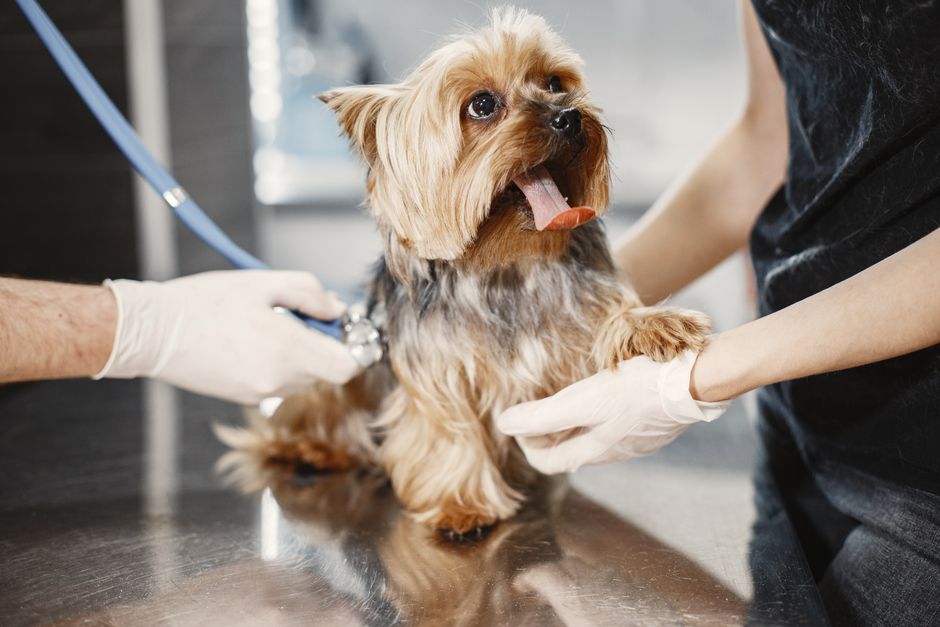
- Heart and lungs, listening for murmurs or other irregular sounds
- Eyes, ears, nose, checking for discharge, infection, or abnormalities
- Teeth and gums, dental disease is one of the most common health problems in dogs, and it gets worse if ignored
- Skin and coat, looking for parasites, lumps, or skin conditions
- Abdomen, feeling for organ size and any masses
- Lymph nodes, checking for swelling that might indicate illness
- Joints and movement, looking for lameness or orthopedic issues, especially in large breeds
Vaccines and Preventives
The Ultimate Guide for First-Time Cat Owners · MAINE COON JUNGLE on YouTube
| Vaccine | Type | Timing | Notes |
|---|---|---|---|
| DHPP (Distemper/Parvo/Adenovirus) | Core | Puppy series, then boosters | Required for all dogs |
| Rabies | Core | As determined by vet; required by law in most states | Required by law |
| Bordetella (Kennel Cough) | Non-core | If dog attends parks, boarding, or grooming | Lifestyle-dependent |
| Lyme | Non-core | Geographic and lifestyle dependent | Regional risk varies |
| Leptospirosis | Non-core | Geographic and lifestyle dependent | Regional risk varies |
| Influenza | Non-core | Geographic and lifestyle dependent | Regional risk varies |
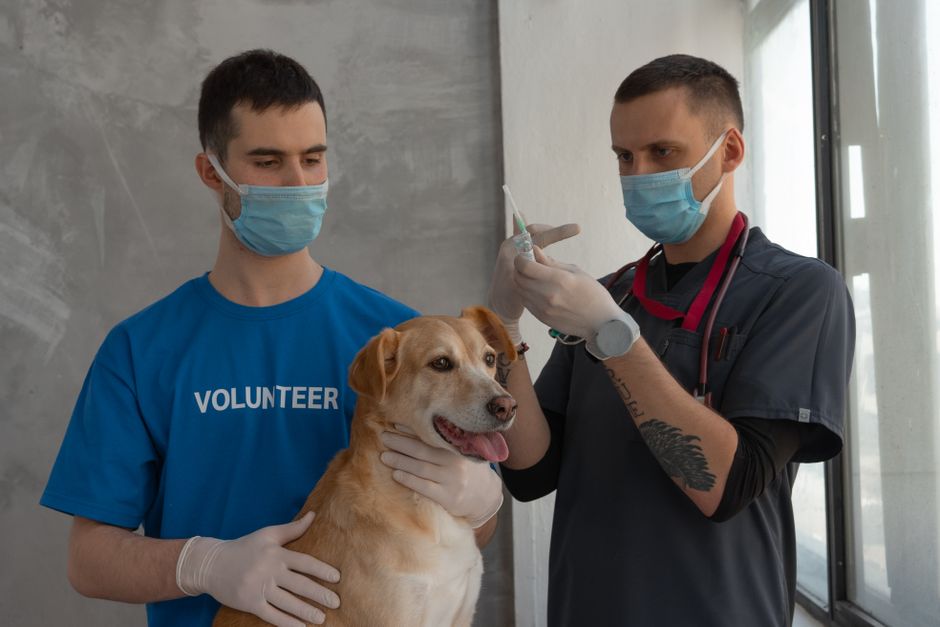
Depending on your dog’s age and what they’ve had before, the vet may start or continue a vaccine series. Core vaccines include:
- Distemper/Parvo/Adenovirus (DHPP), given as a puppy series, then boosters
- Rabies, required by law in most states
- Bordetella (kennel cough), if your dog goes to dog parks, boarding, or grooming
Non-core vaccines like Lyme, leptospirosis, and influenza depend on where you live and your dog’s lifestyle.
The vet will also discuss heartworm prevention and flea/tick control. These aren’t optional in most of the US, they’re standard preventive care, and skipping them gets expensive fast.
Questions to Ask
- What vaccines does my dog need and when?
- What’s the best flea, tick, and heartworm prevention for our area?
- Is my dog at a healthy weight?
- What should I feed and how much?
- When should we come back?
Don’t leave without a clear answer on the next appointment. Preventive care is where you actually save money by avoiding expensive problems later.
This article is for general informational purposes only and does not constitute veterinary advice. Always consult a licensed veterinarian for guidance specific to your pet.
Sources
- EVERLIT 95-Piece Vet-Approved Pet First Aid Kit
- Nutramax Cosequin DS Joint Supplement for Dogs (132ct)
- Certified Pet First Aid Kit with Guide Book
Disclosure: As an Amazon Associate, we earn a small commission from qualifying purchases at no extra cost to you. We only recommend products that genuinely support the topics covered in this article.
- EVERLIT 95-Piece Vet-Approved Pet First Aid Kit (~$32), Vet-approved 95-piece kit for dogs and cats, covers cuts, burns, sprains, and emergencies until you can reach a vet.
- Nutramax Cosequin DS Joint Supplement for Dogs (132ct) (~$36), The #1 veterinarian-recommended joint supplement brand, clinically studied for reducing joint pain in dogs.
- Certified Pet First Aid Kit with Guide Book (~$22), Certified pet first aid kit with step-by-step instructions, an essential item for every pet owner.
Recommended Resources
Disclosure: As an Amazon Associate, we earn a small commission from qualifying purchases at no extra cost to you. We only recommend products that genuinely support the topics covered in this article.
- EVERLIT 95-Piece Vet-Approved Pet First Aid Kit (~$32), Vet-approved 95-piece kit for dogs and cats, covers cuts, burns, sprains, and emergencies until you can reach a vet.
- Nutramax Cosequin DS Joint Supplement for Dogs (132ct) (~$36), The #1 veterinarian-recommended joint supplement brand, clinically studied for reducing joint pain in dogs.
- Certified Pet First Aid Kit with Guide Book (~$22), Certified pet first aid kit with step-by-step instructions, an essential item for every pet owner.